Here is how to find bluegill bed. Where do they hide until everyone else finds ’em? To catch bedding bluegills, you has to be an early bird in the spring as public bank fill up long before water is warm enough to breed.
Don’t wait for telltale topside indicators such as dark spots; expect fish movement. If you’ll go and get ’em, you’re running around behind them. But if you can intercept them, that’s when the biting start.
How to Find Bluegill Beds Early Spring
Understanding Water Clarity and Depth
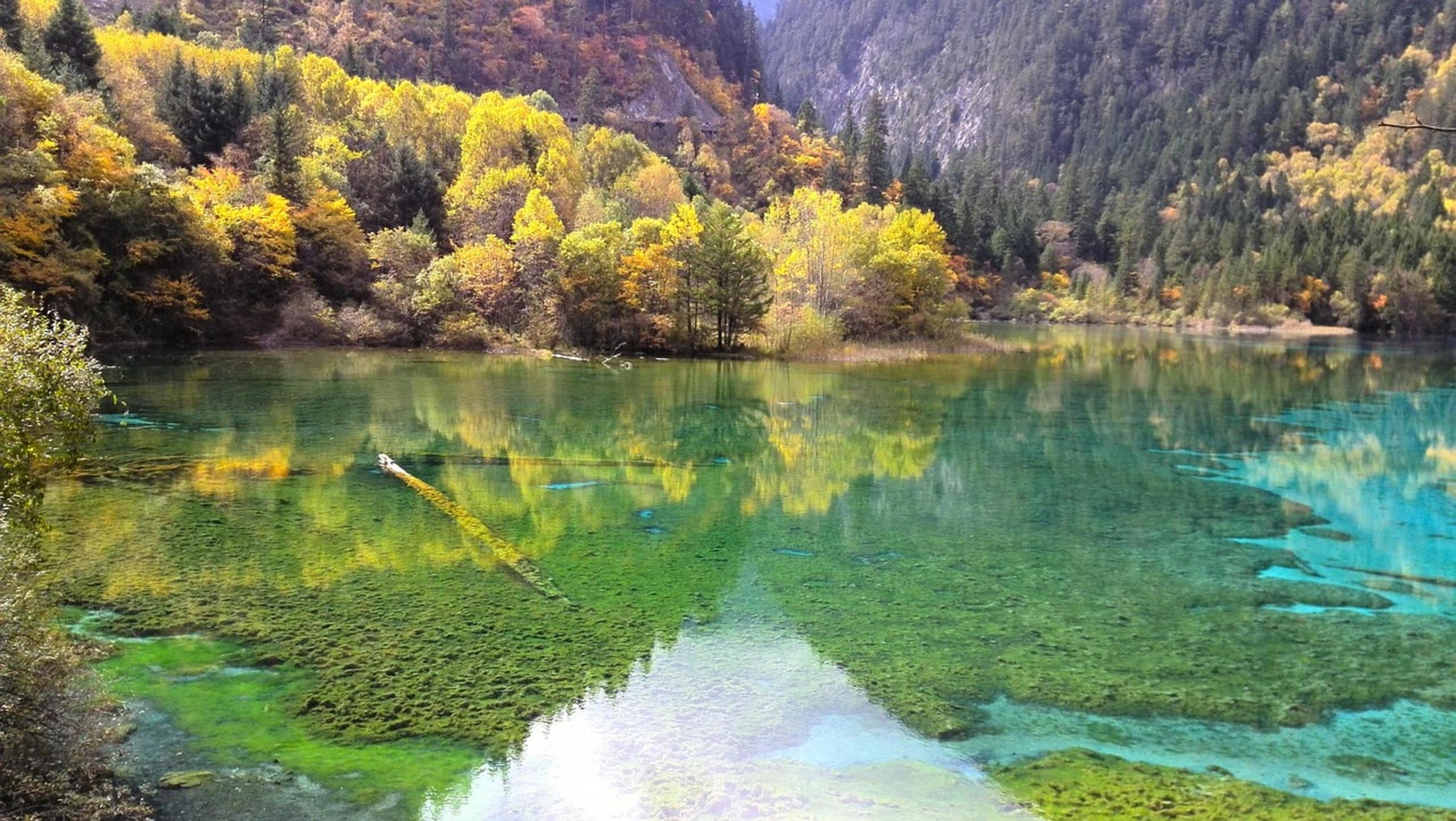
The biggest key here are the water clarity. The water will tell you how close to what and at what depth they has their beds built. Bluegill want to be able to feel safe.
They do this by being able to sense vibrations. So when the water is dirty, they are going to build their bed in a little more water that is close to something for protection. You should of try checking some water anywhere from three to five feet if there is runoff or algae stain on lake.
If the water is clear, the sun reaches deeper into the water so the fry can matures without needing to move further out. Beds can be found as far back as eighteen inches of water but also as deep as eight feet in clear water. Again, always test the water to know where to begin searching.
Identifying Bottom Composition and Cover
The composition of bottom is just as important if not more so than the depth. Bluegill like to make small depression and need a bottom that keeps its shape while doing so. This means clean sand or gravel is usually best.
Unless you find area with some sand mixed in, muddy bottoms are typicaly a big waste of time. Look for transition area on the bottom where it transitions from hard bottom to soft mud or vegetation. The fish like the protection of adjacent cover but also stability of the hard bottom.
A sandy point extending out into the water is prime for this very reason. The littlies need the cover of vegetation. Until the fry are capable of protecting themselves, bluegill will build their beds just outside the edge of a patch of coontail or hydrilla.
This vegetation protect them from bass and other predators. It doesn’t have to be IN the weed bed, but it should be nearby so adults is comfortabley. Often a bed 10 feet away from a dense mat is preferable to one hidden within.
The Role of Wind and Current

To effectively guard the bed, males requires clear water near the nest. Too little cover and the fry become dinner for predators; too much and the males gets stressed. Surprisingly, the direction of the wind can have an effect on how the bed form.
When guarding their eggs, bluegill prefer to have current running along their bodies and will position their beds to match, usually with the wind blowing right across the bed. It help keep the water oxygenated and bring food to them. So if it’s been blowing out of the south this week, look to the south side of bays and points first.
Wind will push insects and baitfish towards the shoreline as well, creating a feeding frenzy that attracts bluegill. Not a bad day to go fishing, a windy afternoon gives you a clue on where to fish. Early spawn timing is essential as this is all based off water temp.
Timing the Spawn with Temperature
Bluegill begin to get active around sixty degrees. But more typically, they hold off till water temps reach sixty-eight or even sixty-five. It can also depend on air temp; a cold front followed by a warm sunny day can spark things off.
They know what’s up and are waiting for stable conditions to make their move. Check the weather report. If you see three consecutive days of calm and warm weather, then there will probably be some good beds being made.
Scouting and Marking Bed Locations
You don’t find these beds in May the first time around. The work is done in the months prior and it’s all about scouting. In April, drive boat slow across shallow flats and look for slight disturbance in the sand.
Look for something a little bit different, like a disturbance in the sand. It may not have any fish in it yet, but you’ll see potential. Mark that spot down on your GPS.
Then when that water warms back up again, you go back to those marks and bet the farm they’ll be there or at least real close. That’s much better then reactive guesswork each and every time. You want to be alone; being early gives you that solitude.
The fish aren’t boated out from underneath you and there’s no other person throwing a lure around. This is an environment where you can give your lure a naturaly look. That early work pay off with a productive day spent working by yourself.
Make sure you catch the beds before they fill the map with waypoints. That’s the way you win.