Fishing for bluegill can be hit or miss. You throw out in middle of nowhere, boom you get bit. Then you don’t get bit again until it’s time to go home.
That’s frustrating. What you throw doesn’t always matter. Where they is and what keeps them there matters too.
Not all bluegill does things randomley. Safety, food and temperature are key to their behavior. You can guess and cast without looking, or you can aim for specific structure.
Understanding Where And Why Bluegill Stay
Why Bluegill Behavior Matters
You want the ones that stays in an area for a reason. When you learn how they think, it’s like having a map of water. That map begins with temperature stability.
Temperature Stability and Seasonal Moves
Because bluegill are cold-blooded (their body temperature is equal to water), comfort comes first. Early spring find them in shallow bays where warm, sandy bottom are common. This makes sense because solar radiation warms shallow water more rapid than deep channels.
Summer flips the script. Bluegill don’t like getting baked in shallow flats, and they moves to deeper drop-offs or channel. There’s a stable temperature.
They avoids thermal shock. A rapid temperature change stress them out. So, bluegill stays within areas where temperature remains constant.
Finding those thermal breaks is often easier than anglers realize. The second factor are availability of food. While bluegill aren’t lazy, they’re also opportunistic feeder.
Finding Food in Aquatic Vegetation
They will cruise around looking for naturaly occurring concentrations of baitfish. A good example is aquatic vegetation. Whether it’s hydrilla, coontail or milfoil, this stuff offer cover for tiny crustacean and other insect.
Bluegill consumes such creatures. Because the cover is so thick and concentration of food so high, the fish will hang around weedlines. There isn’t much chasing required.
Often, you’ll see them hanging right on that edge of vegetation. It’s like a highway for forage. The third element are structure.
Using Structure for Cover and Protection
Bluegill feel vulnerable to predators (bass, pike, big birds) without some sort of cover. Anything under water will do. Brush piles, rock pile, and old timber acts as fortresses.
They’ll collect bits of food debris too. It is a food zone. And when threatened, the fish stays glued to them and quickly dash into holes if danger arrive.
Defensive position meets offensive all at once. So when you spot a downed log or wad of brush, expect a school within. These elements are blended by seasonal changes.
Adapting to Seasonal Changes
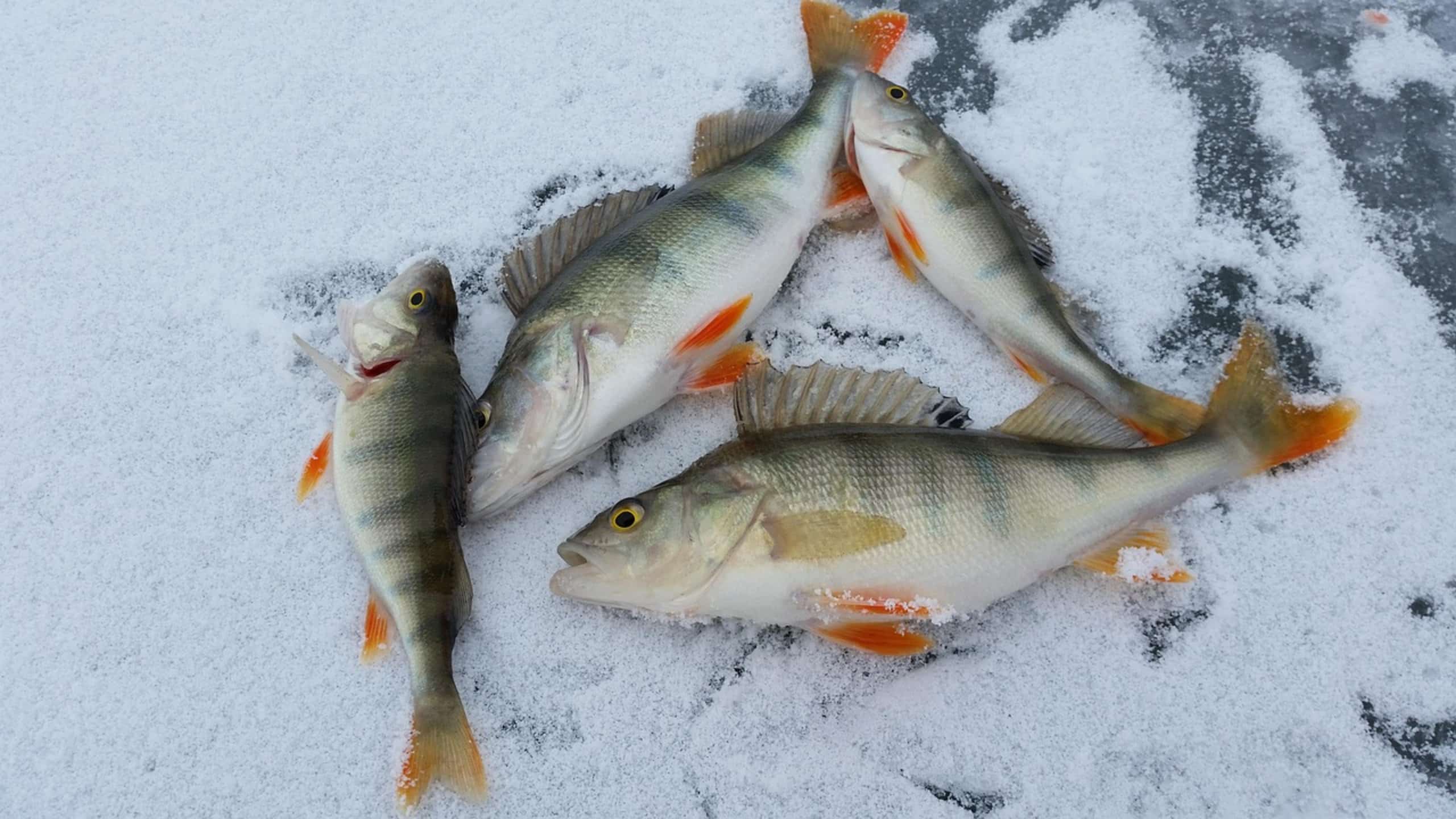
Bluegill forms big mass on deep flats during the late fall and winter months. They group up for two reasons: to conserve energy and to stay warm. Here it’s not about structure so much as depth and mud bottom.
They gets lethargic and slow down. Slow presentations is necessary and you have to fish at their speed. During the spring, they disperses into shallow water when moving onto beds to spawn.
This is a dangerous proposition. But the drive to reproduce take precedence over fear. If there is clean gravel on the bottom, they’ll hold in water as shallow as six inches.
This time of year, depth doesn’t matter and location is most important. Connecting the dots is reading the water. You might find a shallow grass bed warming in the spring.
A rocky point retains heat in the summer. Deep timber hugs a bank in the winter. It’s not that they’re hiding.
They’re making the most of it. Aligning your cast with their biological need makes you quit chasing fish and start catching fish. Pay attention to the why as well as the where and the water will shares its secrets with you.
You should of looked for them in deep water during summer.