Bluegills don’t require a big tank of gas and a lengthy drive. They inhabits the waters around suburban homes, including lakes near neighborhoods and ponds located behind apartments. They’re durable, able to thrive in water unsuitable for their bigger cousins, the bass.
For an angler who lacks space or time, they’re an ideal fish to target. Everyone thinks if you want to go fishing, you have to get out there on the water somewhere. You know, it is in middle of nowhere, in the wilderness.
That’s what outdoor mags teach us, selling their subscription based off a dramatic photo. There is plenty of bluegill. They’ll live in shallow water, they’ll adapt to warmer waters and even a little bit of pollution.
Easy Bluegill Fishing Near Home
Why Bluegill Are Ideal for Urban Anglers
Finding water is rarely your problem. The challenge is reading water fast enough to catch them during your break. Firstly, examine the vegetation.
Locating Fish by Vegetation and Cover
Bluegill like to hide in submerged wood, lily pads, weeds, and any other kind of cover. When you find yourself around some sort of greenery in the water, that’s what you’re looking for. Target the outside edges of this vegetation with a cast.
Don’t worry about clearing the weeds. The fish will be waiting behind the green cover, so let your bait fall down next to it. Be mindful of the time of day.
Best Times of Day to Catch Bluegill
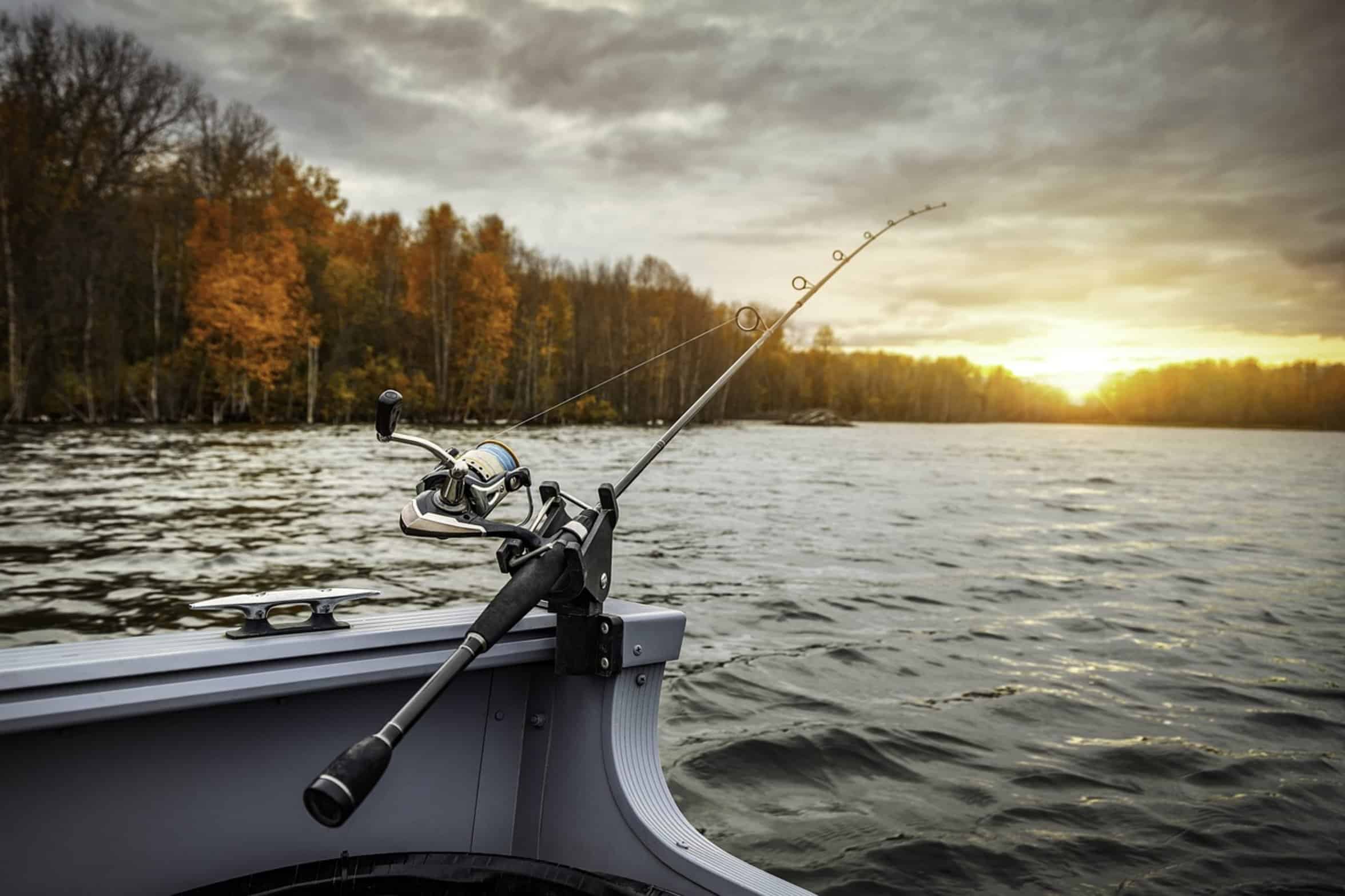
The bluegill gets more aggressive first thing in the morning and last thing at night. During midday, they will seek shelter in heavy cover or deeper water due to the higher sun. Spend your precious hour early in the morning or later in the evening if you has just an hour.
Feeding behavior depends on light levels. Fish is shy in high light and bold in low light. This rule keeps you from wasted casts.
Choosing Bait and Simple Gear
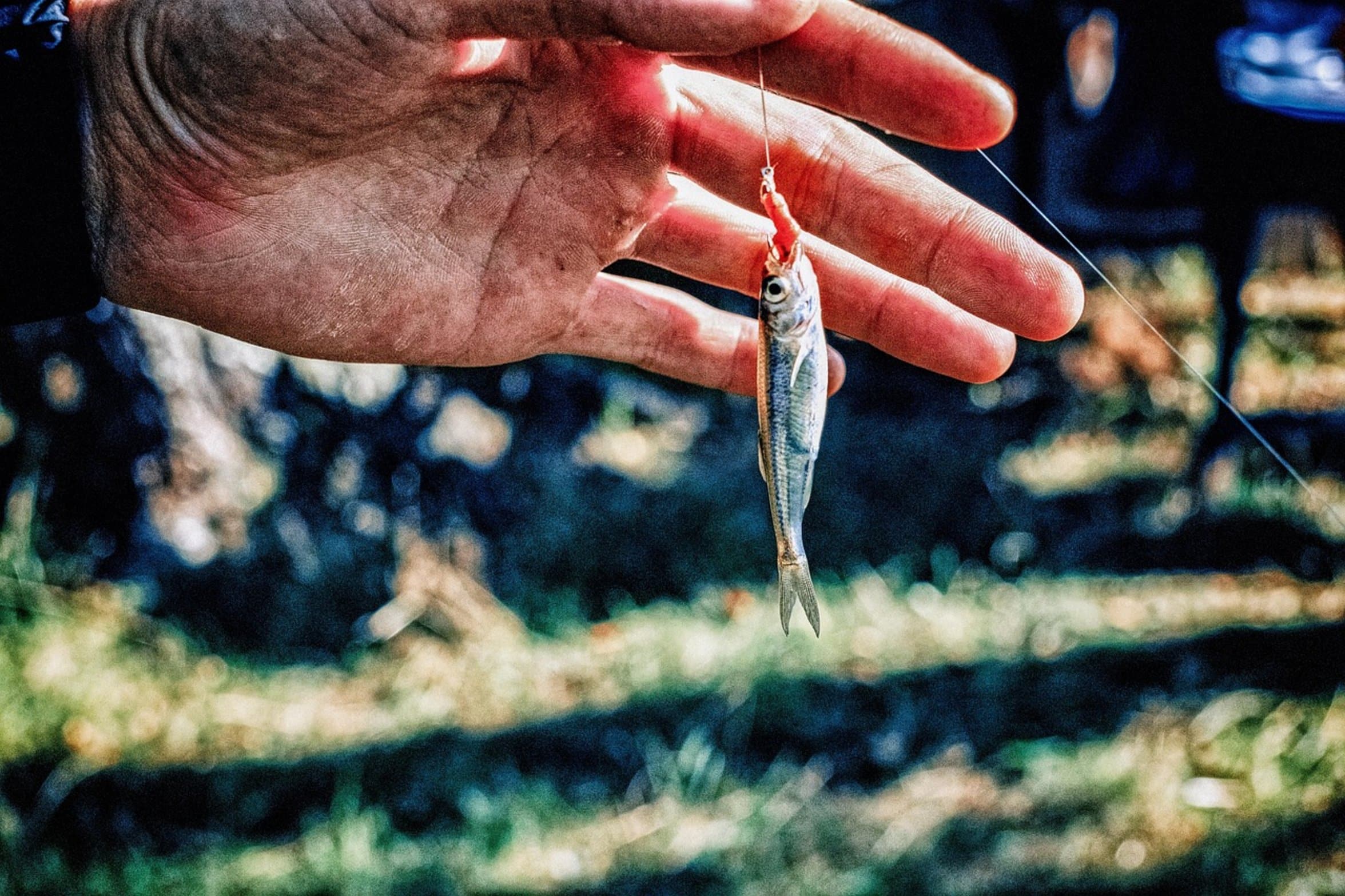
Picking the right bait is important, and it matters more then the rod. Fancy equipment isn’t necessary either. A light spinning rod or even just a fishing pole will work just fine.
Live bait like crickets and worms are a good bet. Other baits that imitate natural forage like tiny tube jigs or small spinnerbaits are good options too. Varying the bait’s action some while you fish it often triggers strikes.
Targeting Shoreline Structures and Docks
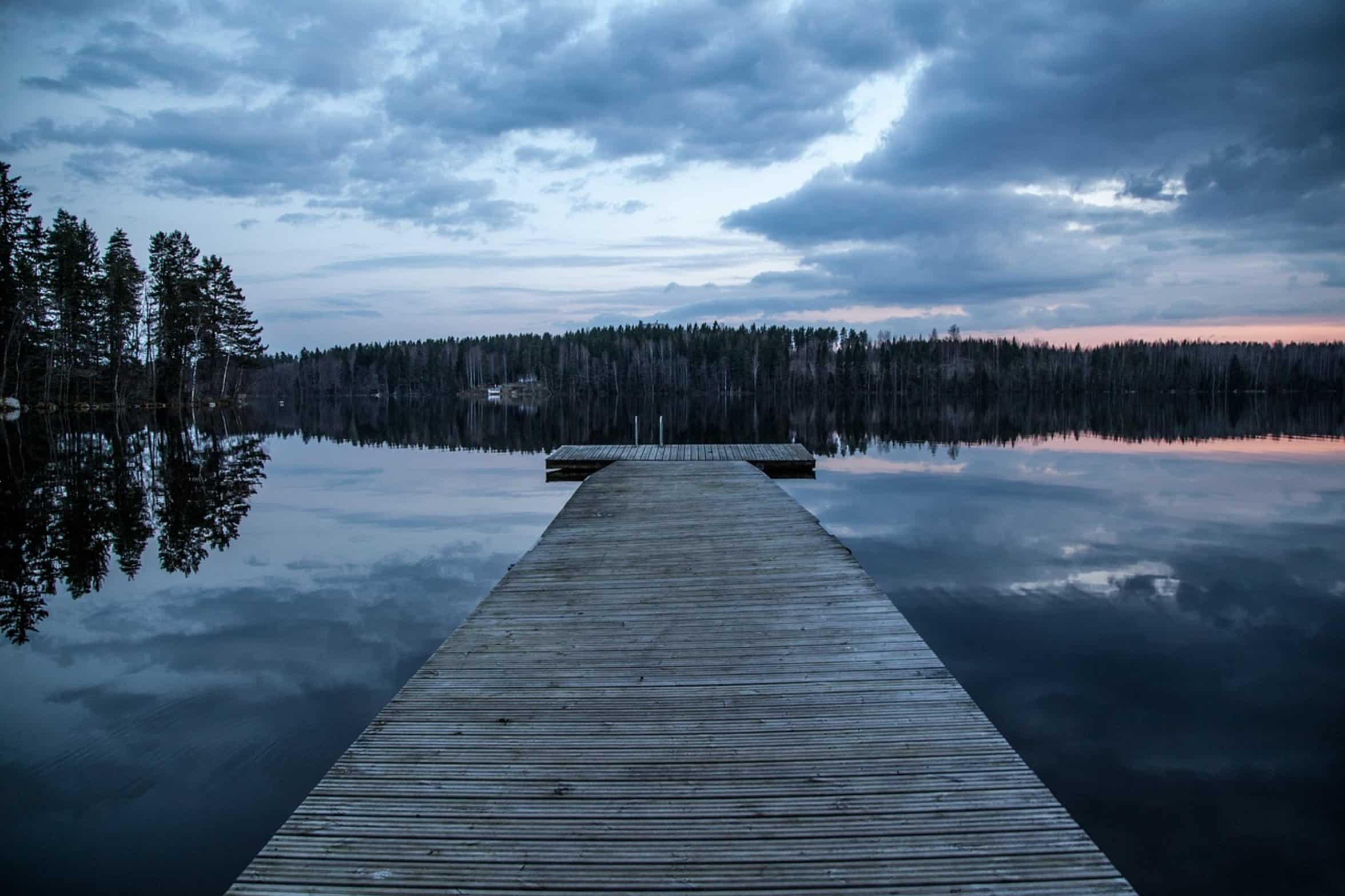
Bluegills’ sensitive mouth pick up on vibration. Target shoreline structures like culverts, docks, and drop-offs hold fish. The docks works well due to a combination of both food and shade.
Cast your bait underneath the dock and let it hang there. It’s important to be patient as the bluegill will check out from below. Don’t jerk the line too quickly or you’ll spook them.
You want that good hard tug; not a little bump. Know the water temp (if you can)… Bluegill like water temps ranging from sixty to seventy degrees.
Understanding Water Temperature and Seasonal Patterns
Cold water make them slow while warm water gets ‘em fired up. If it’s spring, target shallow banks that warm up fast. Summer = Shade.
Fall = Open water with nearby drop offs. The season affect the behavior, so adjust your location based on the time of year. This change will help you catch more fish.
Reading Signs of Other Animals
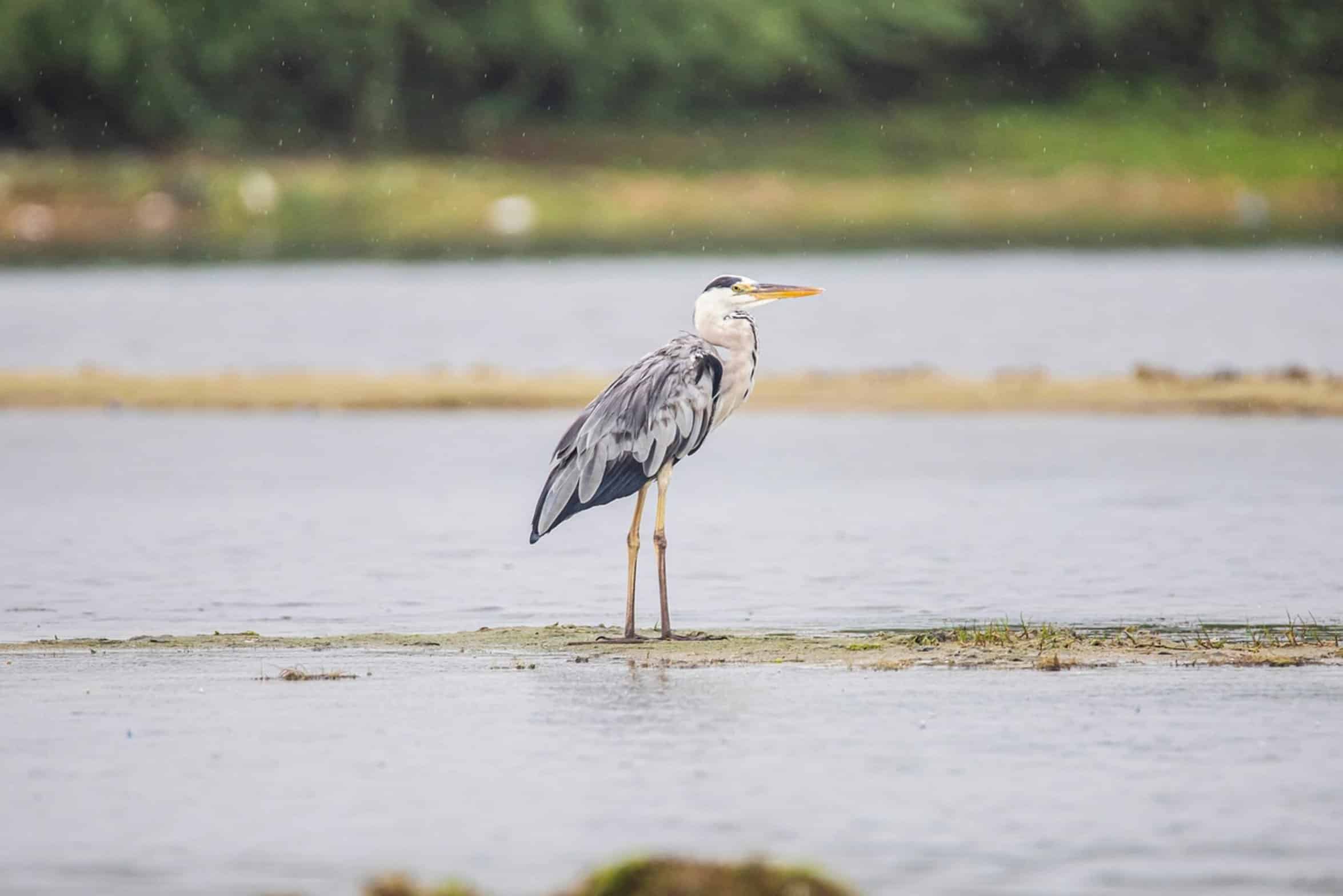
Look at the signs of other animals. Herons dive, bass jump… bluegill are there. Birds and predators feeds on bluegills.
Where they are present means there is fish around. This eliminates guessing. If you’re following the action, it’s a sign of fish; not fish.
The simplicity is what makes it work. Go to the closest weed-filled pond you can find, put out a worm and start casting around the weeds. The bite will come eventualy.
Nature’s right there and bluegill fishing proves that. Sometimes all we should of do is take our eyes off the horizon and look into the water.