When you hook one of those bluegills in a managed farm pond, it usualy comes as quite a shock. Instead of feeling light tug you’re anticipating, your rod is double-over and drag is screaming. That’s when you realize you’ve made a massive error in judgment regarding what to expect.
Understanding Farm Pond Bluegill Fishing Tactics
Why Pond Bluegill Fight Harder
Those fish aren’t tiny minnows like we caught as kids. They’re the big dogs at the top of their food chain and will do everything in their power to let you know it. It’s all about diet and density.
Wild bluegill has to cover wide expanses of water fighting for limited food sources. A stocked pond has a couple of acres with several thousand fish who is fed regularly. That is the recipe for creating bigger, badder, meaner fish.
How Diet Changes Behavior
The location is different than usual. That makes a big difference in how you’ll approach it and what you’re going to throw at ’em. That understanding will alter your behavior on the water.
Instead of just casually snatching at things, it becomes sport fishing with a specific target in mind. Rather than spraying and praying, you begin to think like a fish. Where would food be falling?
Why does that piece of structure hold heat? What about that depth zone cause them to strike? The pond bluegill is another creature altogether.
It’s a different ecosystem. Pond raised bluegills are also different because of how fast they grow. It’s possible for a bluegill to be six-inches large after several years in an open lake.
A well managed pond will see the same fish reaching eight or nine inches in just one year. There’s no reason for it to expend energy on long distance swims looking for food. It has food coming at it all the time.
Instead of being used for survival, calories simply add size. Because of this, these fish is heavier than other fish of similar length in open water. Their actions can also be altered by diet.
In their natural environment, wild bluegill are what I would call passive grazers; they pick along at things like algae, insects, crustaceans and such. Pellet-fed bluegill in a pond frequently become conditioned to react when something falls into their midst. They have come to expect that a disturbance mean food.
So they get meaner. The moment you present anything, it’s “Inhale!” time. They don’t hesitate.
It’s a feeding reflex. They have honed this reflex for years. You’re not coaxing them.
You’re pushing a button. These fish are surprisingly strong. When you hook a two-pound pond bluegill, it’s going to feel like a five-pound lake bass.
It won’t pull long. It’ll dive down fast into the muck and give a sudden, sharp head shake. All the while, your light ultralight rod will be bent to the limit.
There is no muscling them. Let the rod do the work. And yes, the fight is short but sweet and that’s what the game is about.
Best Tackle for Stocked Ponds
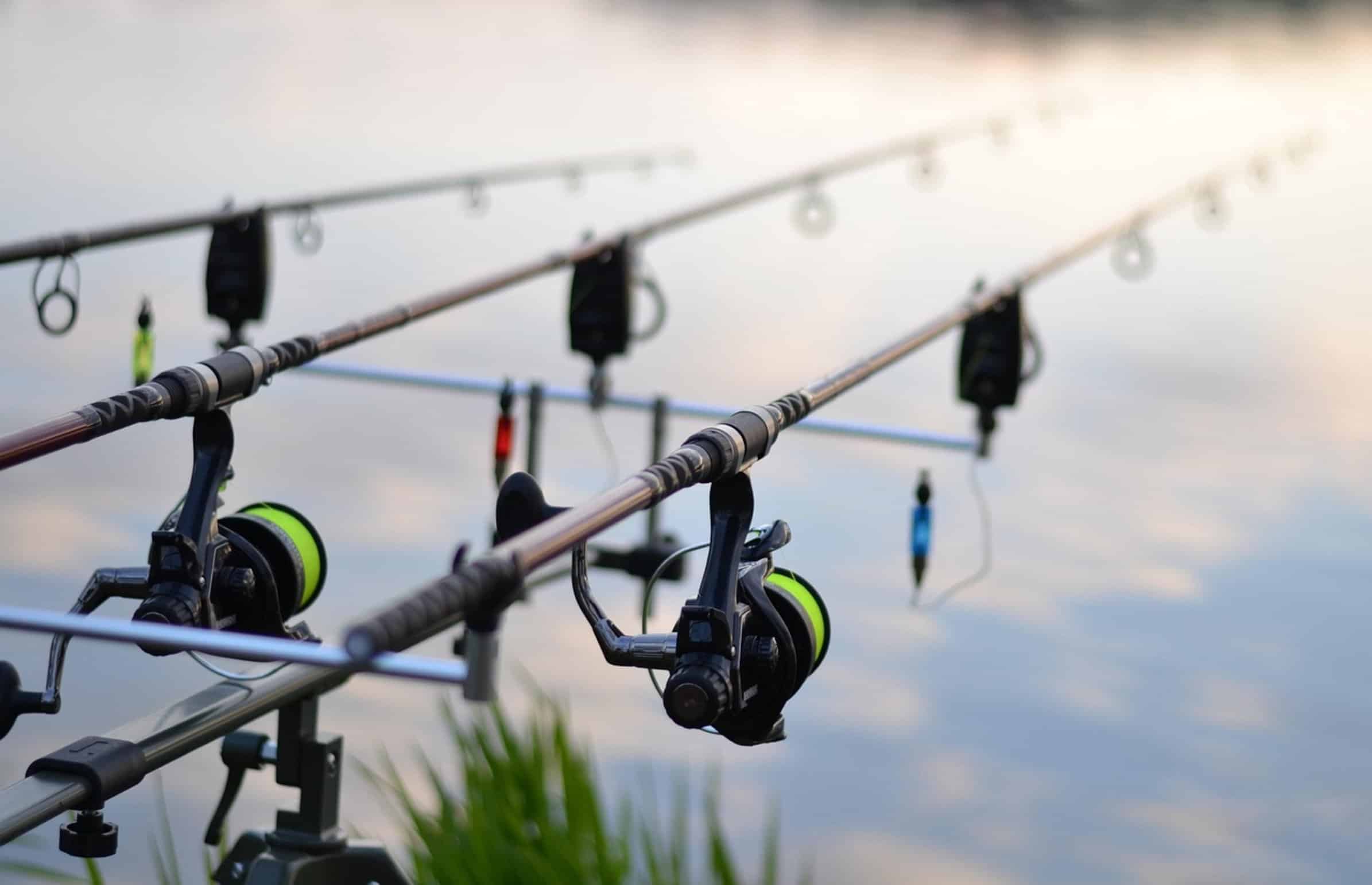
Tackle selection is key here as well. Heavy tackle isn’t necessary. It can actualy be a disadvantage.
Four to six-pound test line on a medium-light spinning rod is the sweet spot. The lighter line allows the fish to feel less resistance when inhaling a small hook, while still providing enough strength to land them. A simple split shot rig and a small bobber will continue to work.
Adding something like a chartreuse jighead or even a small inline spinner can realy get those wary fish to bite. In a small body of water, it’s all about structure. On a big lake, you could cast just about anywhere and catch bluegill; on a pond, there are certain places where bluegill stack up.
Where to Find Bluegill in Ponds
You’ll find them near the edges of weed beds, submerged brush piles, and fallen trees. These pieces of structure offer some type of cover from bigger predators such as bass or catfish. It gives the bluegill somewhere to feed and travel.
Timing and Depth Strategies
If you cast close to these areas, your chances improves drastically. The other thing that works for the ready angler is timing. Prime time is early in the morning or late in the evening, particularly during the summer months when shallow water warms up.
In the heat of the afternoon, they will slide out away from the bank sometimes into a little bit of cooler water closer to the middle of the pocket. You can play with your depth with a bobber stop, keeping bait down where it needs to be. The fish is concentrated, so patience pays off.
Taste and Preparation Notes
You hear people say that the flavor of pond-raised bluegill is a common concern. It’s called off-flavor. And sometimes they mean it’s got a muddy taste to it.
That may be the case if your pond is full of some type of algae or maybe its stagnant. But a good pond with water circulating normally will have fish with a clean taste. They should of been kept cold and filleted promptly to help.
A fillet has a mild yet firm texture and bakes up or fries great. It’s a tasty reward for the work. The strength and toughness of these big bluegills teaches us about our environment.
Respecting the Fish and Arena
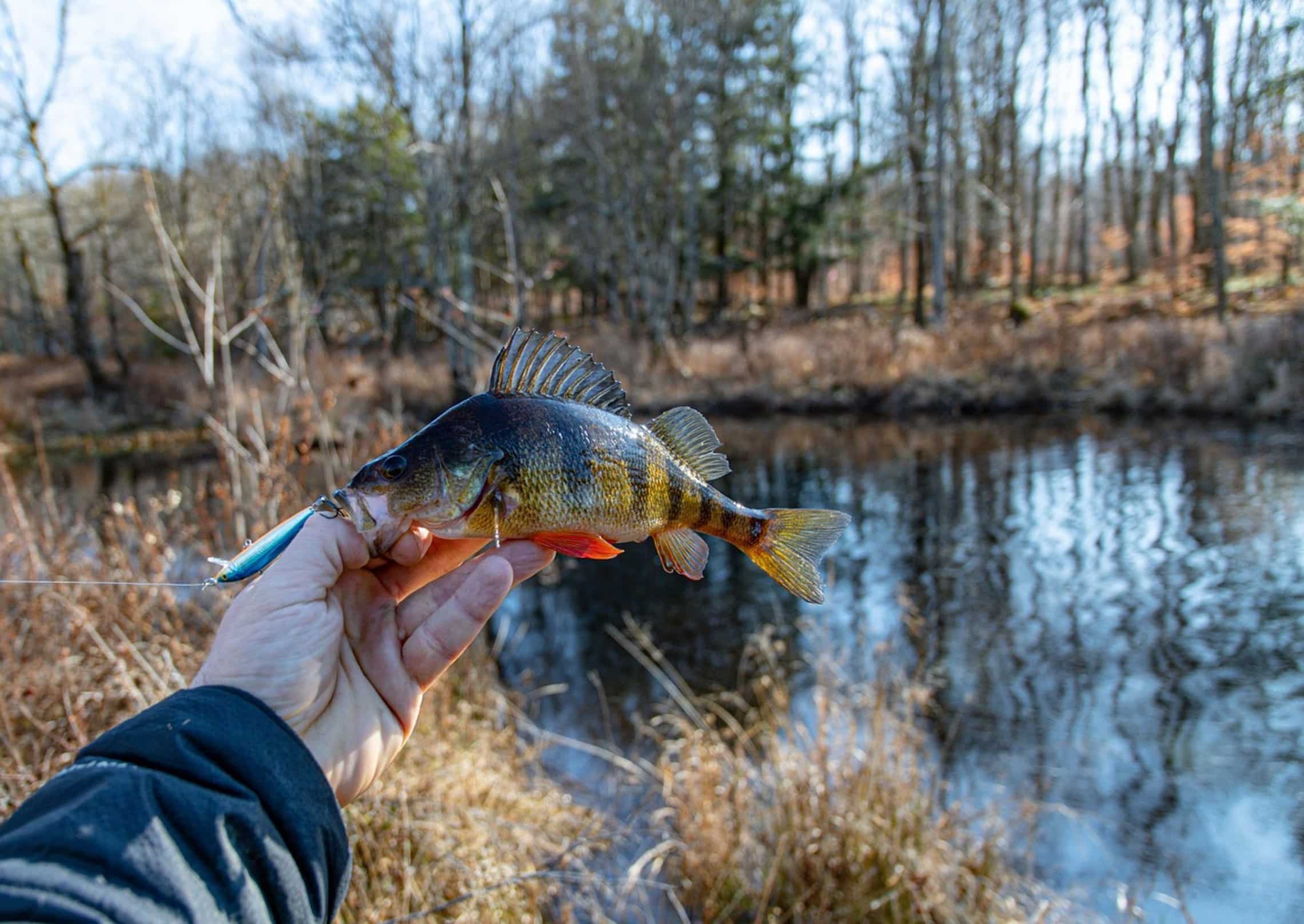
This is not simply a body of water. This is a finely tuned machine, generating amazing results. Catching one of these fish becomes an exercise in appreciation because it’s the result of this delicate balance.
The fight is exactly the point of the sport. It’s purposeful fishing with a creature that has evolved to fit perfectly into its surroundings. Next time you step up to that stocked pond, ditch the laziness at the bank.
Don’t sell these fish short. Admire the might of this little body, tend to the delicate tackle with care and respect and pay attention to that reel’s drag. This isn’t a snack.
This is a fighter. And the pond is its arena.