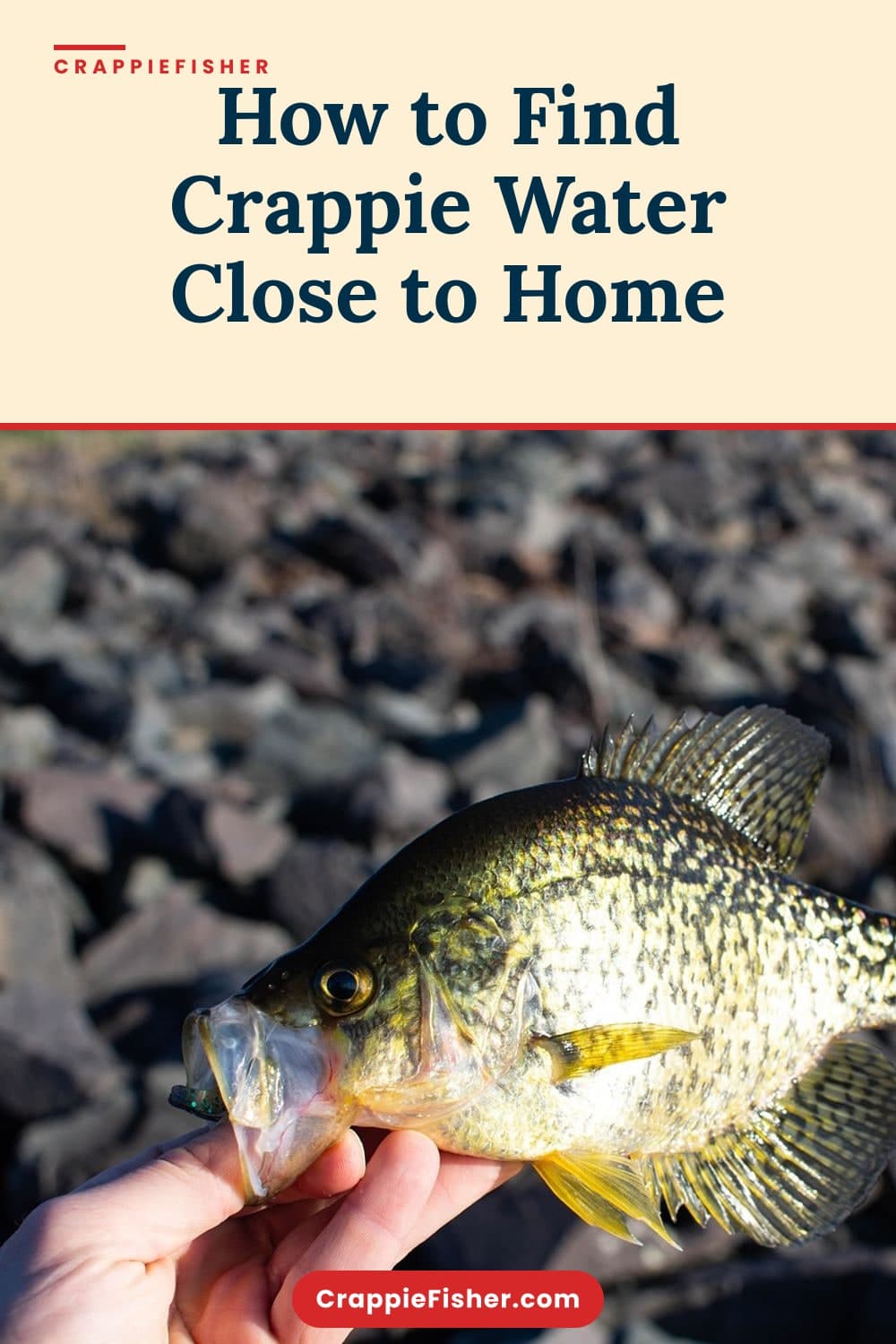
Crappie fishing is less like a treasure hunt and more methodical then how most anglers approach it. Crappie are predictable animal that respond to very specific thing in the environment. When you put the pieces together you’ll be able to find them.
Where they’re located has a lot more to do with water conditions, cover, and food in relation to their feeding habits. It’s rarely luck. It’s reading the water as if it were a landscape.
How To Locate Crappie Near Your Home
Reading the Water and Finding Transition Zones
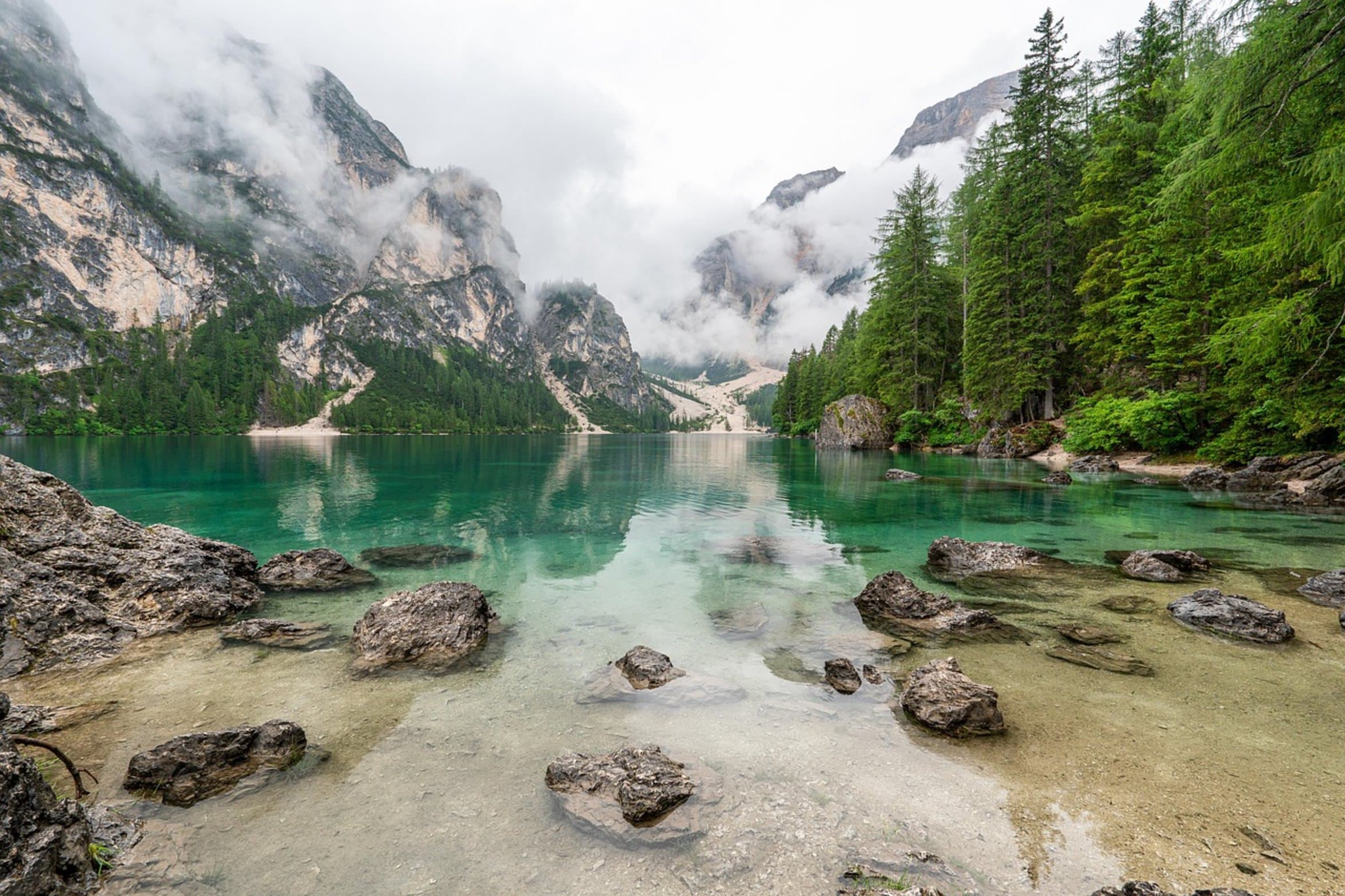
This is where guys gets frustrated. They’re fishing the wrong areas. They’ll spend hours making casts at random and casting around structure that appears prime on paper but proves empty in practice.
They’re thinking about fish instead of their surroundings. If you can train yourself to think like this, to read the water, it will make all the sense in the world. Instead of mindless casting, you begin to seek out signs.
Not everyone sees these thing unless they take the time to slow down and study what’s happening. Find the transition. The first place to start is finding the transition zone.
The sweet spot is always the edge of a piece of shallow cover to deeper water. It’s protected yet within striking distance of all their favorite feeding spots. In springtime crappie will roam to the backs of creeks and up the river channels to spawn.
Using Structure to Locate Crappie
They’ll slide back out to deeper channels as the water temps increases while still staying near some kind of structure. During the winter months they’ll suspend around suspended timber or sit in deep holes. Knowing what time of year it is will greatly narrow down your search area so you’re not trying to look everywhere.
You know you need be looking in that particular zone based off the present temperature and available forage. One thing that will lead you to crappie more than anything else is structure. Rock, brush piles, and even trees are not only cover but they also gives the fish a place to ambush prey.
Submerged timbers is especially good as they mimic natural habitat and offer protection from predators above them. Look for natural places like tree stands that would of been flooded in natural flooding situations or when dams were built. These spots tend to hold fish all year long.
Without timber, crappie love vertical structure anywhere in the water column. These include weed lines, pillars, or pilings. They do the trick.
Find where the structure lies and then fish the edges. Of all variables that dictate a crappie’s behaviour, water temperature is at the top of list. Crappie are highly sensitive to changes in water temperature and they will migrate to stay comfortabley.
How Water Temperature Affects Fishing
They want to be warm and shallow in the early spring when they’re spawning. They’ll get deep and cool off during the dog days of summer as they try to escape the stress of warming water. Come fall, they’ll follow the baitfish back up on the shallow flats.
Knowing this about each season puts you in position to target particular depths. Your knowledge of the time of year directs you to where you put your fish finder, which can help. But most times you can guess depth without ever turning on your electronics.
Crappie follow the baitfish Crappie are basically visual predators; they school up in order to eat shad, minnows and other small prey. As such, where there is a concentration of baitfish, there are usually crappie nearby. On sonar, look for baitfish.
Following Baitfish Schools
They’ll often show as distinct clusters or even clouds suspended below the surface. These baitfish is often suspended with crappie just above or below them. When you locate a school of baitfish, look around the immediate area.
Often you won’t see the crappie initially, but if the conditions is right, they’re almost always around. Locate the food source first and be patient, it pays off. What time of day do you throw?
Best Times of Day to Fish
Lowlight hours are when crappie will be more active. You know that dawn and dusk are some of the best times to feed. These times is also when you’ll see them moving up shallow and hunting.
Throughout the rest of the day, particularly midday if it’s sunny out, they tend to hold in heavier cover or deeper. So your location strategy has to vary depending on what time of day you’re fishing. You may find yourself targeting shallow flats in the morning while concentrating on deeper structure in the afternoon.
Pay attention to the light levels and adjust accordingly. It could make all the difference in a full cooler or an empty one. The quickest way to get good results is by having local knowledge.
Gaining Local Knowledge
The next best thing is fellow anglers. Talk to bait shop owners, local guides, or other fishermen at the lake, or check out local fishing social media groups for updates. Many times they will have an idea what’s hot and not because they’ll have been out there.
Some won’t tell you much, but most will give away general locations where they’ve had luck. You can also check the social media sites that focus on fishing locally for current intel. Read between the lines when looking at these posts.
When several guys say they caught them off a certain depth or in a certain cove, there’s probably something to that. Take what you learn from others and then fine tune it with what you find. Intuition and technology.
Balancing Technology and Intuition
Technology helps, but don’t let it substitute for your intuition. Today’s GPS units and fish finders help us locate fish and structure better than we ever could before. We can spot schools of fish, a drop-off, or submerged timber better then ever before.
But if you rely too much on technology, you’ll miss the larger picture. While a fish finder reveals what’s below the surface, it doesn’t explain why it’s down there. Combine your knowledge of habitat with technology.
Trust your eyes on the screen to validate what you suspect might be present, both in terms of baitfish and structure. Don’t allow the information to confirm your theory, rather, let it reinforce it. The greatest anglers increase their natural instincts using tools; they don’t bypass them.
Long term success comes from exploration. Every lake has its own features that determine where the fish live. Some lakes have tons of weed cover.
Mapping Your Lake
Others are loaded with sandy flats or rocky bottoms. Get to know the waters you spend your time on. Spend some time mapping it out.
Mark where deep holes is located, where the points and coves are. Make a log of what conditions you were fishing in and where you caught fish. The more time you put into it, the better of an idea you’ll have of how the lake lies out in your mind.
That personal database will prove more valuable than all the generic guides combined. It will help you know where to go in June like it does in January. Crappie fishing is an elimination game.
Eliminate broad options and narrow them down using the facts. You need the right season, the right structure, the right bait, and the right time. One at a time each eliminates the possibility of a location.
All that’s left are the locations most likely to hold fish. It takes paying attention and being patient. If it’s not there go somewhere else.
Don’t hope and pray and sit your butt in a dead spot. The signs tell you a lot. Listen to the water and it will tell you where they live.
Crappie don’t need exotic places to find ’em… just a good idea of what they do. If you can target your search using baitfish, temperature, and habitat, you’ll turn a random search into a focused strategy. You’ll be reading the water.
And the next time you’re standing on that dock, take a moment and see beyond the surface. Look at the structure below. Feel the temperature.
Observe the bait. The clues are there and so are the fish. All you have to do is follow them there.
The lake is more like a map then it is a mystery.