There is a thump as you cast out a crankbait. A violent thump hits your line. Your rod doubles-over.
You set the hook. You fight the drag and bring in fish. It’s small and mottled, but it’s not the bass you’re after.
It’s one of those annoying fish that freshwater angler run into frequent: the green sunfish. They come in small packages. And once you have ’em, you can’t get rid of ’em.
These fish aggressively protect their turf, like a bigger fish would. They strike viciously. They’ll fight like the devil and they do it all at a fraction of the size of some of our other speciess.
Then there’s the fact that every time you catch one, they clog up your tackle box with wet debris when you finally get them in net. Most folks consider these fish nuisances. They stop the streak of catching bass one after another.
Understanding Green Sunfish Behavior and Biology
The Frustration of Catching Green Sunfish
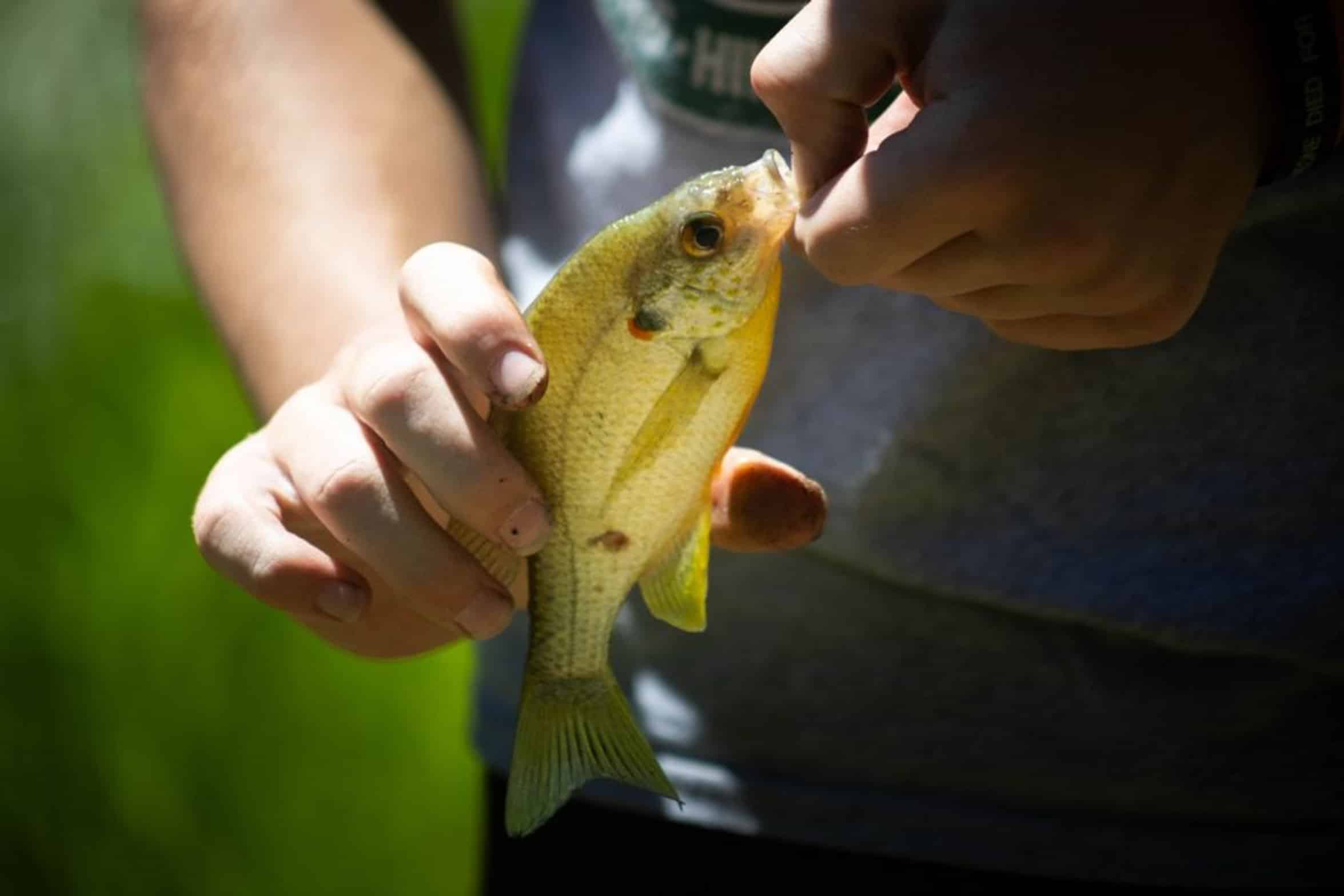
To call them a pest doesn’t tell the full story of biology. The green sunfish is a survivor. They’re tough fish.
When other game fish can’t stand certain conditions, they does just fine in them. And knowing this make you look at them differently. It makes you think about fishing around them different too.
Because when you see them, it’s a bit of a signpost to you. It is a way of understanding what kind of conditions the water has and perhaps where other fish might hide. Green sunfish are designed by their biology to survive in a messy world.
Understanding Green Sunfish Biology and Habitat
They’re not as streamlined as a trout or bass. Instead they have an oval body with a depth that help them stay still in moving water while using little energy. When it comes time to hunt, they don’t run a lot of distance after their prey.
Rather, they ambush it. This enables them to be effective predators in shallow, murky water where short sudden bursts of power outweighed speed. They were made for cloudy shallow waters.
Why Green Sunfish Thrive in Dirty Water
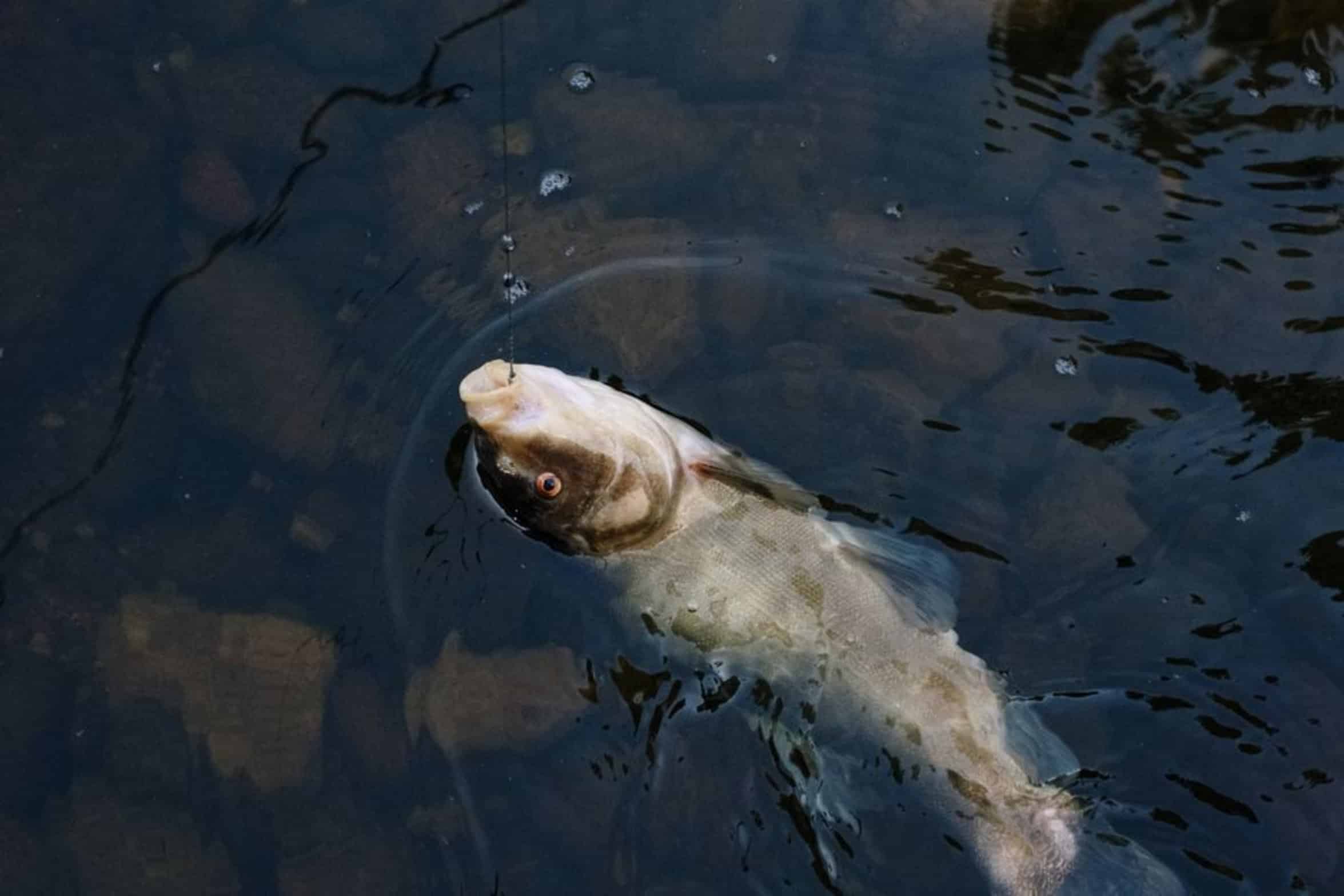
It’s also an explanation for their prevalence in dirty water. For whatever reason, lots of anglers think if the lake contains plenty of sunfish it must be healthy. More times than not, however, this isn’t true.
High temperatures and low oxygen levels will kill off more sensitive fish but green sunfish thrive. So when warm water flows into a waterway or an algae bloom occurs, what happens to the bass and crappie? Do they die off or move back?
Yes. But the sunfish don’t. They stick around and survive.
Aggressive Behavior and Home Range Defense
Their aggression also makes them more prevalent. Unlike many species of fish, they don’t school. Instead, they have a home range.
During the spawn a male will set up in a patch of vegetation and defend it against anything that comes into his area, including any lure he deems looks like food. So you won’t have to throw very far to run across one. Just throw anywhere.
And because they’re aggressive, your percentage of strikes is high. This will make anglers who are used to fishing for wary fish mad. Knowing how they behave also has a practical application.
Using Green Sunfish as Structure Indicators
These are structure indicators. Green sunfish love cover. When you’re catching ’em on a regular basis, you’re fishing around rock piles, fallen timber or weed beds.
That same structure holds panfish, catfish and even bass. The sunfish are pointing you in the direction of the food. They’ll compete with baby bass for small crustaceans and insects.
But wise anglers see it that way. Rather than flinging the fish away in frustration they mark where the fish came from… Depth and cover type, and go on their way.
Interpreting Sunfish Activity for Better Bass Fishing
Warm water? Are the sunfish biting? Probably means there’s some bass holding deep or around more heavy cover in the area.
Sunfish activity equals fish feeding. Sunfish activity equals water column activity. Now you change your retrieve cadence, maybe swap out for a darker color that gets down through dirty water easier.
Appreciating the Resilience of Green Sunfish
What was once a nuisance is now a piece of data. They deserve credit for being tough as nails They’ve evolved through evolutionary flexibility and have endured habitat loss and fishing pressure. And yet here we are, still talking about them.
They’re no more delicate than the next species, nor do they need the water to be pristine to spawn. Their adaptability is impressive. The next time you spot a green sunfish, know you’re staring at an animal that does just fine amid messy habitats.
It is not glamorous but it is still impressive. So the next time you hook a green sunfish, pause before releasing it. Note the fish’s size, color and the surrounding water, then ask yourself what is going on.
Maybe that will lead to the big ones you seek. Maybe you’ll admire its persistence as a species. In either case you’re no longer battling nature but interpreting it.
And the green sunfish isn’t a fluke. It’s a clue.