When you imagine yourself catching a fish, holding one or even releasing it, what’s the most likely fish on your mind? A trout? No. A bass?
Nope. If you’re like most folks, it’s a sunfish; the fish with the disc shape. Freshwater throughout all of North America are full of them.
The Sunfish You Will Run Into Most Often
Why Sunfish Are Everywhere
From the novice angler who hooks his very first fish to the experienced angler several decades down the road, sunfish continues to be a go-to catch. So why are they everywhere? They’re just darn good at surviving in places where other more specialized species can’t.
The name sunfish covers multiple species within a single family of fish. Although they all have that same recognizable rounded, flat shape, each species fight differently and prefers to live in different environments. One species is encountered by most fishermen much more frequent than the others; this comes from a combination of being adaptable, hardy and feeding on nearly everything smaller than itself.
Bluegill Habitat and Adaptability
Fishing for any of these sunfish differ depending based off what species you’re encountering. The fish is a bluegill. A Bluegill is by far the most common sunfish you’ll encounter.
You will find them in ponds, lakes, rivers, and even slow-moving creeks across the continent. They lives in ponds, lakes, rivers, and even slow-moving creeks. Their tolerance to a wide range of temperatures make them highly adaptable to changing conditions.
And their ability to handle lower oxygenated water then most game fish make them hardy creatures. All this makes them the workhorse of panfish world as they do well in areas that would of be too marginal for crappie or largemouth bass.
Bluegill Diet and Feeding Habits
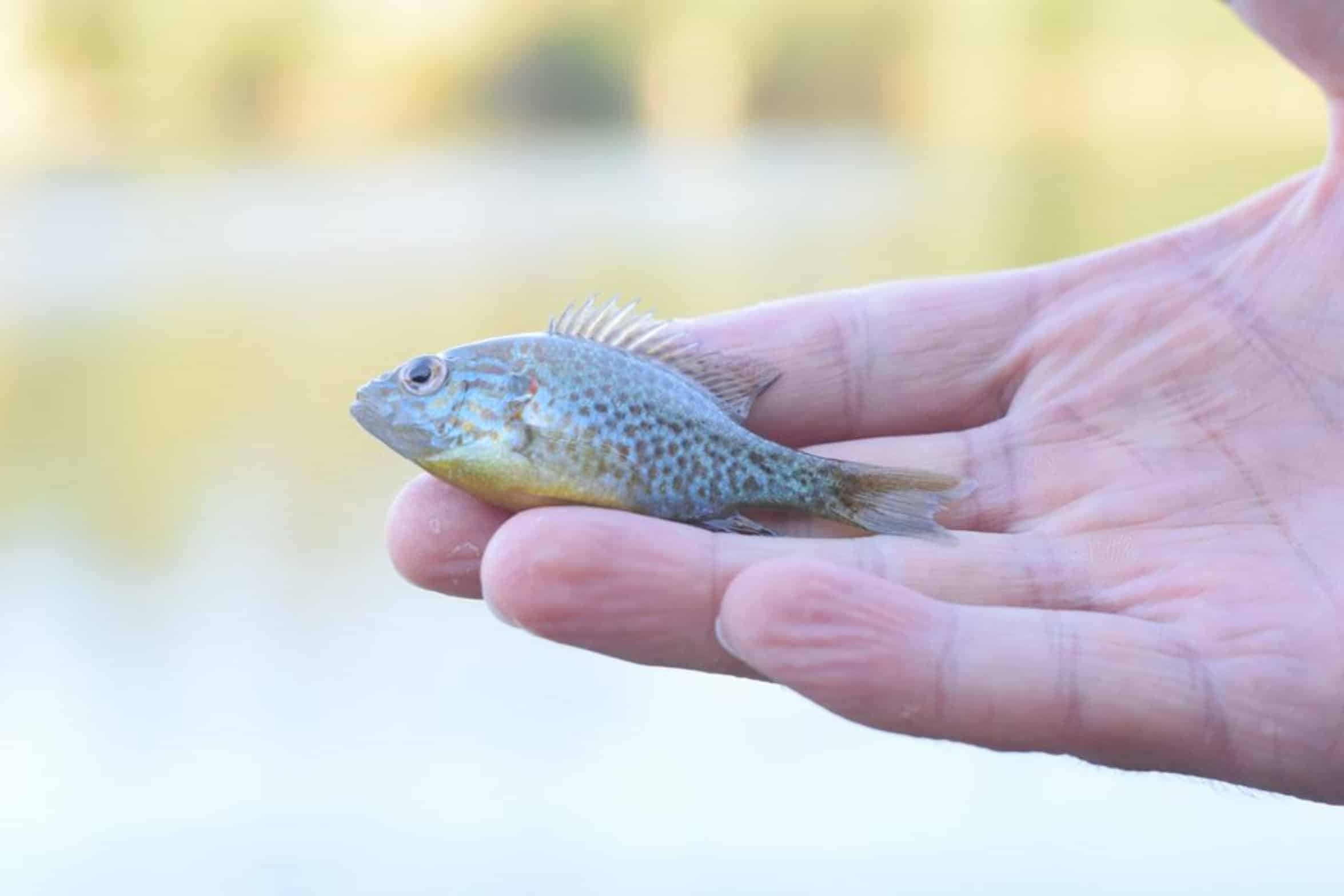
The reason for the prevalence of the Bluegill come down to feeding strategy.
They’re opportunistic omnivores. In other words, a Bluegill will consumes plant matter, small fish, crustaceans and insect. Their flexible diet give them the ability to thrive in waters rich with nutrients as both insect life and algae bloom.
So when you throw that tiny jig, worm or even a chunk of bread towards a submerged log or within a patch of weeds, chances are good you’re offering a meal that fits perfectly into a Bluegill’s daily routine. And this explains their presence in such high numbers on urban lakes and managed ponds.
Bluegill Reproduction and Resilience
They also reproduces well.
They aggressively defend their eggs and fry while guarding the nest. By investing in their offspring this way, more of them survives than those which merely scatter their eggs into current. The end result is a healthy, reproducing population, one capable of rapidly rebounding when overfished.
If you catch 20 in an hour, they will likely still be there tomorrow.
Identifying Bluegill and Related Species
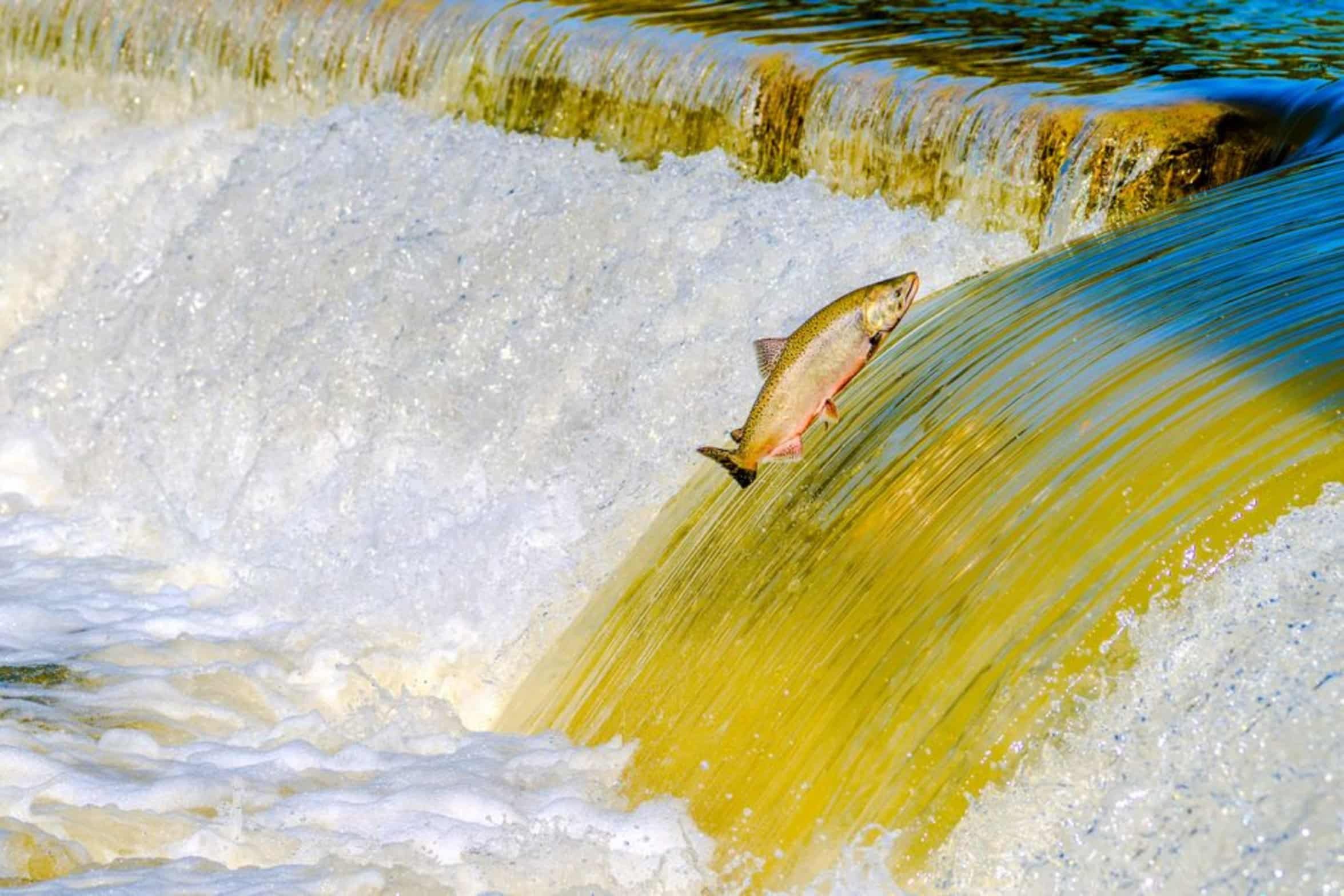
The Bluegill can be confused with other sunfish in your area (Green Sunfish and Longear Sunfish are common), so it’s helpful to know how to identify them. The Green Sunfish will have a very jagged blackish margin on its dorsal fin and tend to be bigger and more aggressive.
The Longear will have a slimmer body and extremely long ear flaps. You may see some of these cousins, but by statistics the Bluegill will probably win out.
A quick identification marker is it’s coloring.
The opercular flap or gill cover should has an orange or red edge and the side should have a distinguishing dark vertical bar.
Best Baits for Catching Bluegill
Bluegill fishing is simple but fun. They are visual feeders, which means presentation matter.
That’s why a classic approach of a live worm on a small bobber rig is the go-to. It presents the bait where it should and shows the bite well. But Bluegills can be finicky.
Tackle and Fighting Power
When they gets wary, using lighter line and a smaller hook can mean the difference between catching them and coming up empty handed. They’re not afraid to hit it but they’re also wise to heavy tackle and unnatural movement.
Bluegills is often undervalued in terms of fighting power.
They certainly aren’t as explosive as a trout but they is quite strong for their size. A big Bluegill will make some wicked turns and realy pound on the water. Their tenacity is part of their charm and is a testament to their nature.
Every fish should be respected, even if they’re common. A bucket full of bluegills isn’t just practice for catching bigger fish; it is a real achievement. The next time you’re out wading shallow water or standing on a dock, expect the Bluegill.
Not only does it deserve the title of default panfish for a good reason, but its existence mean there is a healthy productive fishery. Learn what makes them different than other fish and know their habits so that a casual cast becomes a focused pursuit. The sunfish we run into most isn’t just a placeholder.
It’s a worthy opponent in its own right, awaiting to test both your technique and your paciencce.