There’s nothing more frustrating then catching five fish in twenty minutes while your buddy can’t buy a bite for three hours. He’s not unskilled. Or lazy.
But he’s not matching his method with condition. There’s a common perception that jig fishing is technical and twitchy. It is more aggressive than the patient artistry of bottom rigging or the gentle drift of fly fishing.
But when fish are spread out or water gets deep, it’s still the quickest path to filling a creel. There’s nothing complicated about it. It is nothing sexy.
Why Jigging Is The Fastest Fishing Method
The Core Principle of Jig Fishing
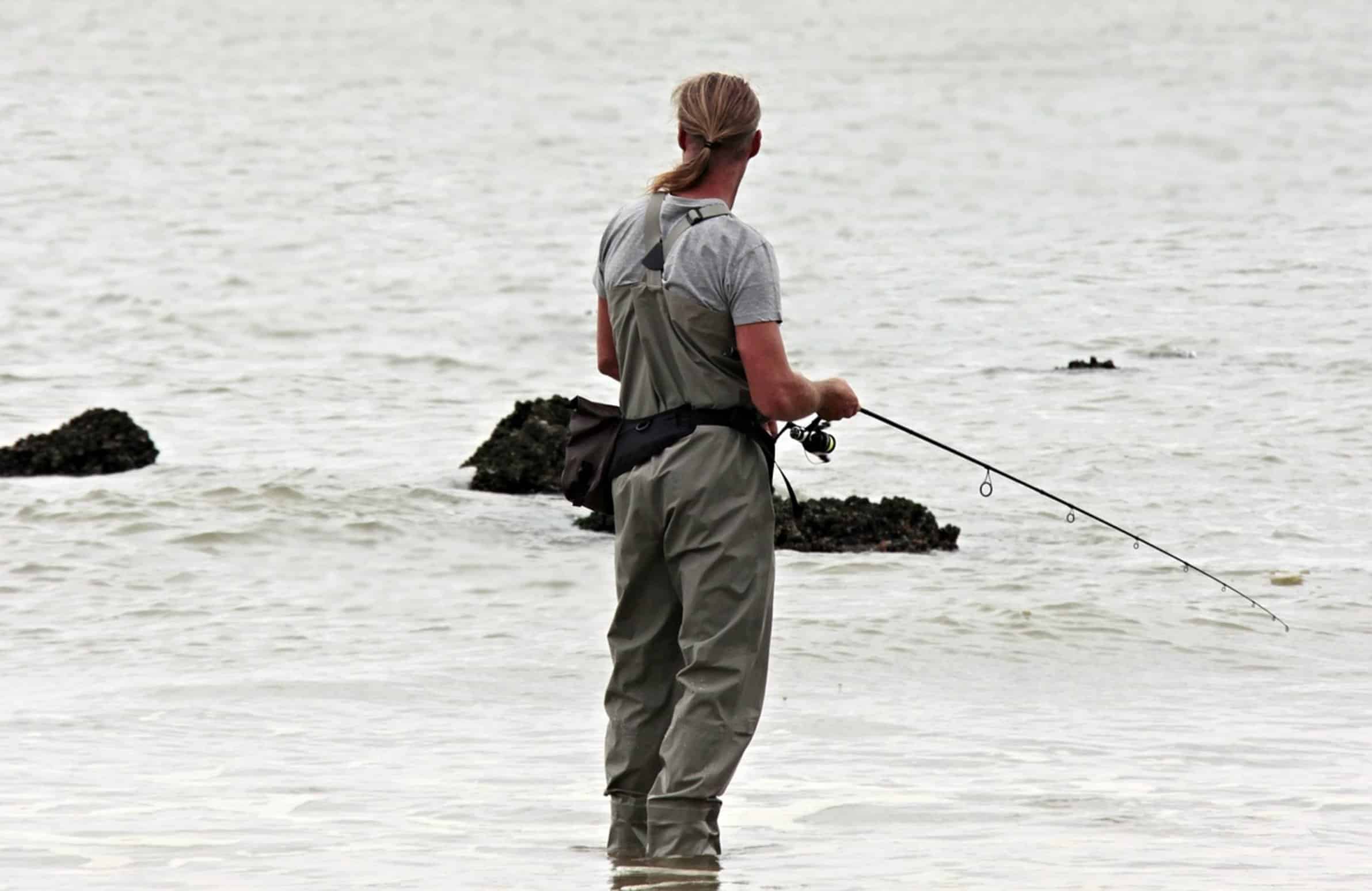
Jig fishing, like all fishing, is about communicating directly with fish with your hand. There’s no waiting for a current to bring a lure to a predator. There’s no hoping that something will happen.
There’s searching for their strike zone and making them react. That applies to snapper in the tropics. It applies to walleye in the Great Lakes.
It applies to striped bass in coastal bays. How you do it change some with each species, but the underlying principle remain the same. You’re controlling vertical space.
You’re dictating the pace. You’re forcing the issue. Most anglers don’t get it because they overcomplicate jig fishing.
When they see videos of guys making intricate twitches, hops and pauses, they try to mimic those moves exactly. It usually ends in fatigue and tangles. Here’s the deal, Fish aren’t concerned with how you fish the jig.
They’re concerned with what you give them. As long as the jig falls naturaly, it will create an urgent-looking action. This tempts the fish into biting, and you’ll catch ’em.
Everything else is noise.
Choosing the Right Jig Weight
Jig weight selection matters Most people think the bigger and heavier the jig the better when it comes to hitting the bottom fast. Wrong.
You actualy want as light of a jig as you can get that will maintain contact with structure. The heavier jig fall too fast. It misses the strike zone completely.
The lighter jig falls slowly enough to give you more time to feel the bottom. You have more time to feel that slight thump of your rod tip when a fish bites. And it keeps the jig down in the water column longer, where most predatory fish suspends.
Selecting the Best Rod Action
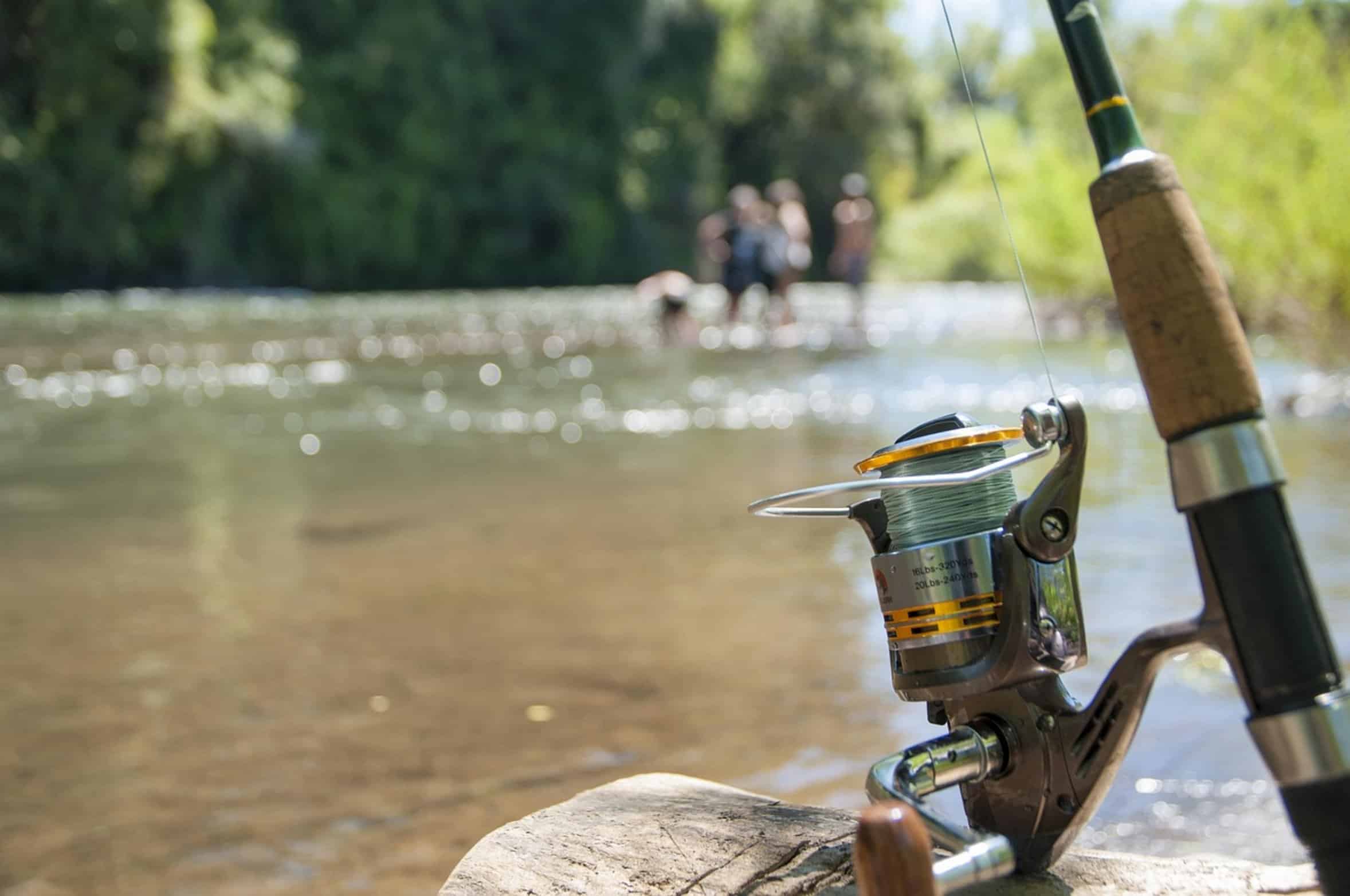
Here is more about the Rod. What rods should I use? More than you’d think.
Just because you want sensitivity and shock absorption doesn’t mean you need a stiff, fast-action rod. Sensitivity is what you want. Do you want to know if you’re bumping a log, a rock or a school of baitfish?
A rod with moderate action and a soft tip work best for you. It transmits vibrations from the water to your hand. And when a fish bite, that soft tip soaks up the initial shock.
With a stiff rod, you’ll snap the hook set or rip the bait away. That soft tip is like a shock absorber. It holds the hook in fish’s mouth.
It’s a little mechanical advantage, but it builds up throughout the course of a day. It’s not really about timing as much as it is responding. Feel that reel.
Mastering the Jigging Motion
See what your line do. Pause when you feel it hit the bottom. Allow it to fall.
Raise your rod tip a foot or two. Reel in the slack. Repeat.
The rise and fall of the rod imitates a struggling baitfish. It triggers their hunting instincts. Speed it up if you don’t get a bite.
Slow it down if they’re lethargic. It isn’t a dance. It’s a probe of water column.
Every drop is a question you’re asking the fish. So many angler quit on jigging. They’re fatigued.
Why Jigging Outperforms Other Methods

It’s an active technique. It demands attention constantly. However, the reward speaks volumes.
You burn fewer miles of water horizontally than when trolling. You catch more fish per hour. You have your nose in the game instead of sitting and hoping to get bit.
You’re not wishing or relying on luck. You’re creating opportunities. You’re forcing the fish to earn their keep.
You’re filling the bucket. Don’t forget you should of had something in your tackle box when the fish leave the shallow water or when water starts getting choppy. The jig isn’t a last resort.
It’s a main weapon. Quit waiting for the tide to get right or quit trying to outcast the wind. Drop down.
Find the bottom. Make it move. The fish are there.
You just need to find them. The fastest way to fill a bucket isn’t to wait for the fish to come to you. It’s to go to where they are hiding and take them home.