I’ve grown up seeing little wooden blocks painted different colors sitting on end tables in mid-western homes from years gone by. Sometimes they’re stars with some sort of red white and blue theme, other times it’s a smiley faced fish. People who don’t know what they are might think these things were made for decoration.
But to crappie fishermen, those pieces of wood represent something else: American ingenuity. The origin behind Leland Lures and the Crappie Magnet isn’t just a tale of a fishing lure company. It’s a tale of accidental invention, perseverance, and survival of a timeless design.
History and Effectiveness of Leland Lures
The Origins of Leland Lures
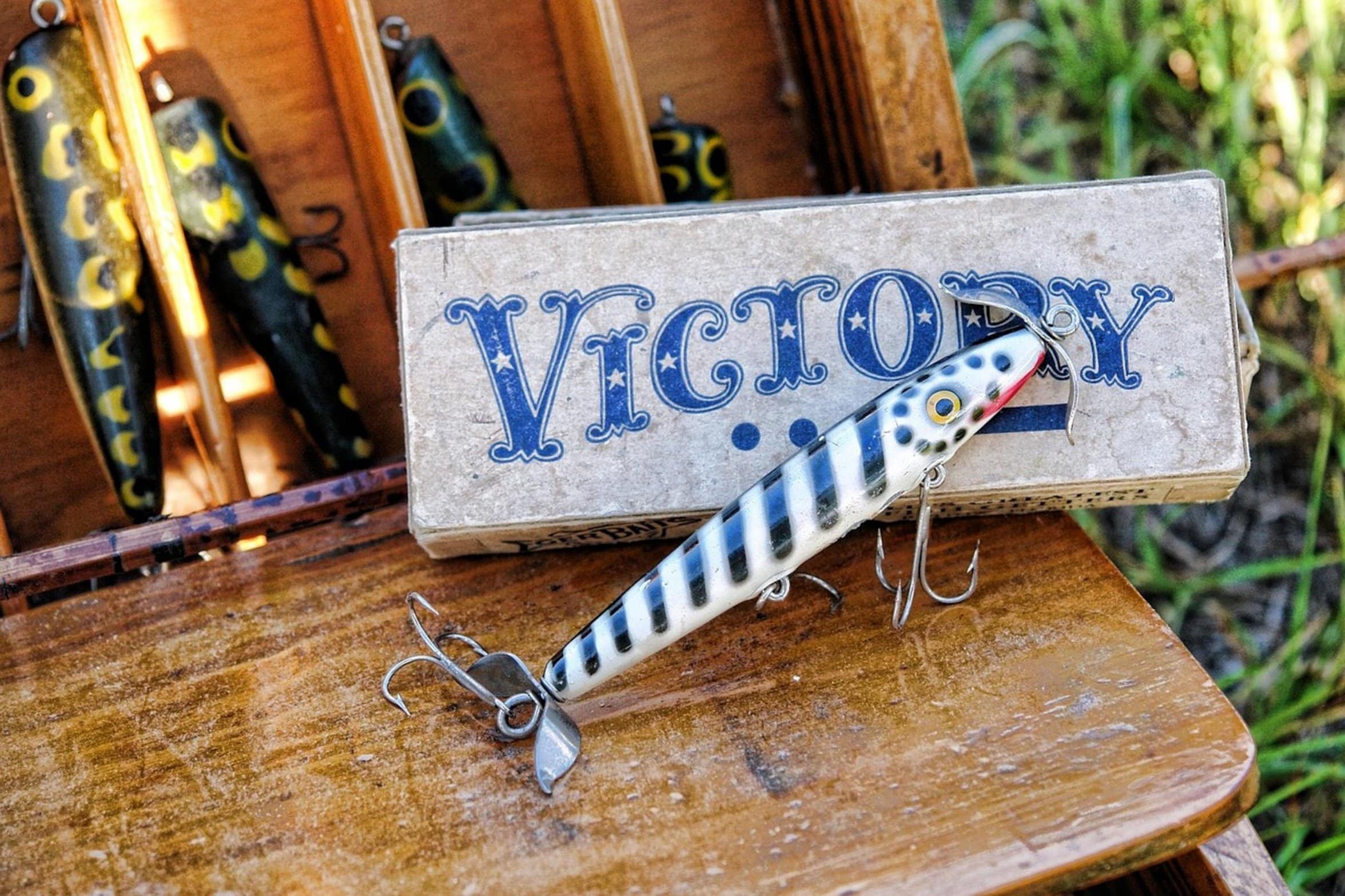
Knowing the backstory makes the plastic box in your tackle box more than just piece of equipment. It becomes a part of crappie fishing history that continues to produce today. Leland Lures has its roots in Indiana during middle 1940’s. At that time, America was just coming out of WWII, and families were seeking entertainment and/or work.
Like much of the Midwest, the Leland family began building little wooden novelties and toys. At first they had no intention of creating anything that would shake up the fishing world. Just making something with their hands and using local ingenuity for paint and wood.
No one knew that the shift from wood toy creator to lure company would be gradual. The growing popularity of recreational fishing in America after the war, along with necessity, led them down this path. But what was once a simple start is significant as it shows how simple those first creations were.
Hand crafted, with care and without any influence of today’s corporate measures, the family eventually transitioned from making toys and novelties to manufacturing lures. It is a simple tool. That’s really what makes the Crappie Magnet so effective.
Simple Design Mechanics
It’s a simple piece of tackle. It is a block of wood or plastic with a weighted back end, a hook eye in the front end and a split ring for your line. It has no rattle, no moving parts and no complicated mechanism to break.
It is just a slab of floating bait that rides nose-up a bit and mimics a panicked minnow. Cast it out, let it fall and twitch it as you bring it back. The action is subtle, coming less from the lure and more from the angler.
It comes unhooked when snatched off obstructions and it shows a profile that crappie can’t resist. What I like about the Crappie Magnet is its naturaly profile that doesn’t scream “I’m a man made lure” to a wary crappie. Early in the spring when the water is still cool and clear on many bodies of water, crappie are shy.
They will see your bait and follow and then not commit to something that flutters too much or looks too unnatural. The Magnet has a very nice slow fall and that little wobble makes them react and bite on the flutter down. But the key is how it falls so evenly from the weight distribution.
Effective Fishing Techniques
That allows time for fish to see it and make a move. This means you can target schools of fish that is suspended. This happens a lot in rivers and other lakes where fish suspend.
Finesse a Magnet where you might be able to get away with a more aggressive offering like a noisy crankbait or even a heavy jig. It takes a little patience but the strike to catch ratio rewards you if you can learn to do it. A story can be told through the evolution of the lure itself over the decades.
Evolution of Materials and Colors
Originally they were hand painted out of wood. As manufacturing increased, Leland switched to making them out of molded plastic. That way he could make them more durable while keeping the sizes much more consistant.
That also brought changing colors, as the market dictated which colors to use in tackle. Initially it was bright greens and chartreuse colors. Then white and more natural colors like shad became all the rage.
Yet the basic shape stayed exactly the same. It was rare to see this in the fishing industry. Companies there is always tweaking things and trying to come up with new products to chase the next trend.
Leland saw that what worked 70 years ago also works now. After all, crappie haven’t changed what they eat, so why do you have to keep reinventing the wheel? How do you stay relevant when fishing has become such a high tech sport.
Enduring Legacy and Tradition
Today it’s all about digital sonar, micro jigs and even electronic lures. But the Crappie Magnet has been able to get a strong following. Why?
Because anglers like something they can count on and that connects them to the past. For anglers who grew up using them, it was an effective lure then and it is now. They are inexpensive.
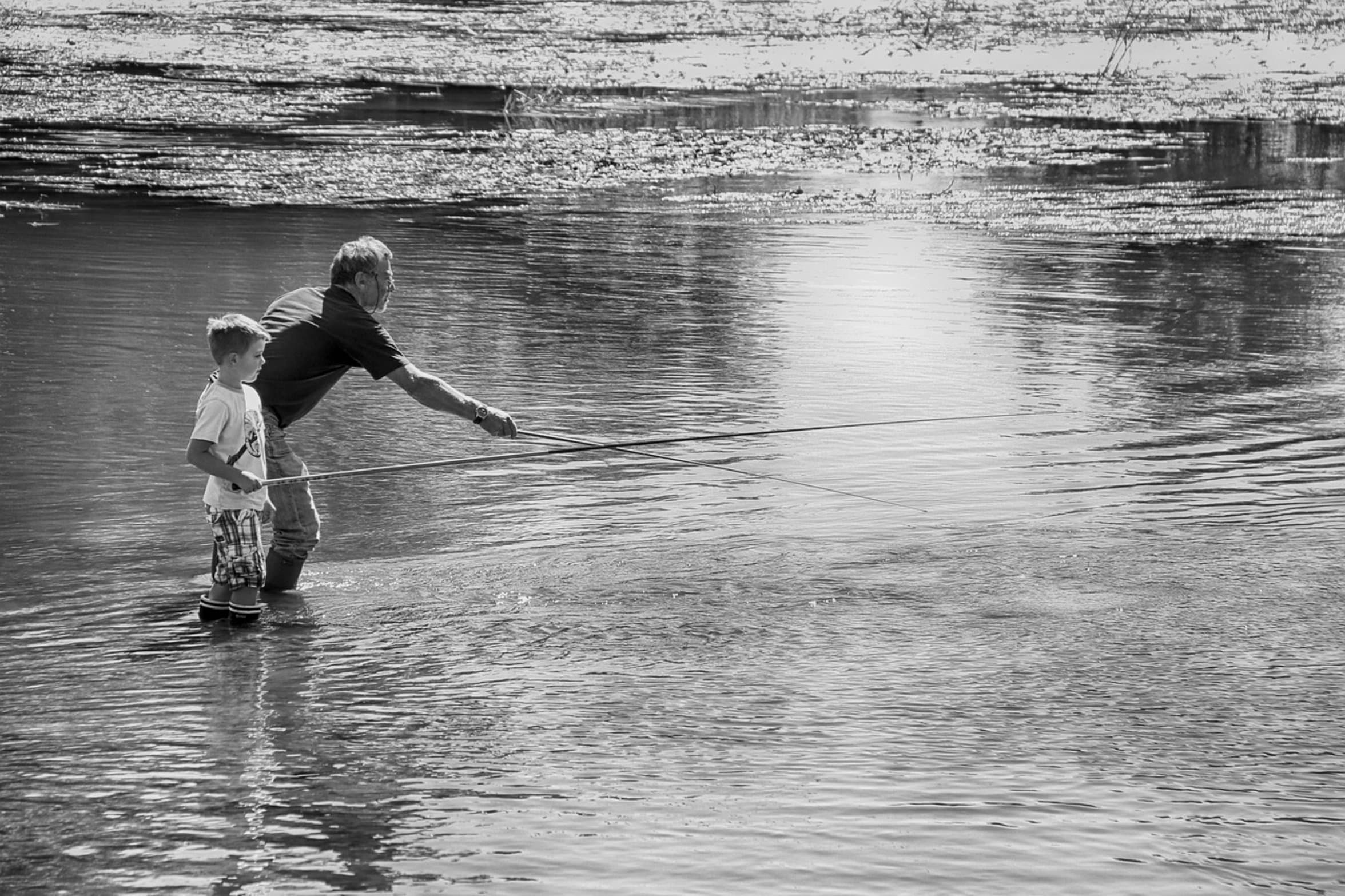
They are easy to use and really effective. Some professional guides still have them in their bags because there are certain situations where they come into play. It becomes a generational link from grandfather to grandson.
It passes from grandfather to grandson. It is a language of fishing success passed down through the ages. That emotional link raises its value well above value of the lure alone.
It’s not just a way to catch fish but to be part of a tradition that has endured the test of time. Simple well executed ideas have always held great weight. Leland Lures’ legacy is evidence of this.
A simple idea like the Crappie Magnet didn’t require complexity to do its job. All it required was to be right for the angler and right for the fish. In an age where we are constantly bombarded with new innovations there’s something reassuring about a lure that does what it always did.
No fancy degree in hydrodynamics required. You just need a rod, a reel, and someone willing to pay attention. That block of plastic or wood is a perfect example of functional design.
It reminds us that sometimes the old tricks are indeed the best tricks. Next time the water is quiet and the fish are being cautious, reach for that familiar shape. It might just be the smartest thing you can do all day.