If you’ve opened a tackle box over the past ten years, there’s a pretty good chance you’ll spot one, a hair jig. A tuft of marabou wrapped around a weighted hook. It appears basic.
For many fishermen, it’s an old bait. Social media is flooded with all sorts of fancy moddern baits, but the hair jig doesn’t get much recognition. Why?
Because sometimes simple beats complex; that’s why serious angler use it. The reason people are always skeptical about this lure has to do with its lack of moving parts. It doesn’t have a spinning propeller and it doesn’t have a jointed body to wobble.
To the untrained eye, it just looks like an inert lure, but that’s exactly what makes them effective. Fish aren’t dumb and they’ve conditioned themselves to tune out flashy lures that don’t mimic their natural behavior. A hair jig goes with the flow, not against it.
This is an old school tool you need to know about, but more importantly, you need to know how to use it when you fish. That means reading between the lines on all the cool new bait out there and knowing what type of water will produce for the hair jig. Knowing how it works make all the difference in applying it propery.
Why Hair Jigs Remain A Top Fishing Choice
Why Hair Jigs Outperform Fancy Lures
It’s a deceptively simple design, but really just a hook wrapped with marabou feathers and some form of weight like lead or tungsten. How the lure hangs in the water column and sinks comes down to weight distribution. Typically, the hair jig is completely balanced or just slightly head heavy.
This gives it a natural ability to stay at one constant depth without having to twitch the lure like you would a swimbait. When under water the marabou fibers will spread out giving the jig a soft profile similar to a shrimp or small baitfish. The best part about it is this softness.
Because if you’re fishing a hard bait and get bit, sometimes they’ll just turn off of it. On contact, the marabou collapses around your hook and buries the hook into the fish while not setting it off enough to make it swim away. It’s one of those mechanical advantages that sounds so simple until you wrestle with a pressured fish.
They are always cautious of anything that doesn’t feel right, but for some reason, the hair jig feels like food. Another reason angler reach for this lure is visibility. A small piece of plastic may not be seen well in dirty or off-colored water.
The hair jigs silhouette stands out on the bottom, particularly when it’s in a light color such as white or even chartreuse. Then the marabou pulses on the slightest tick of your line. It is just enough to draw a fish into striking position and just shy of scaring a wary fish.
Where other loud baits fail it will work. A lot of guys throw a hair jig like they would a jig head by lifting and dropping their rod tip over and over again. That’s not what you want to do.
Understanding Hair Jig Design and Mechanics
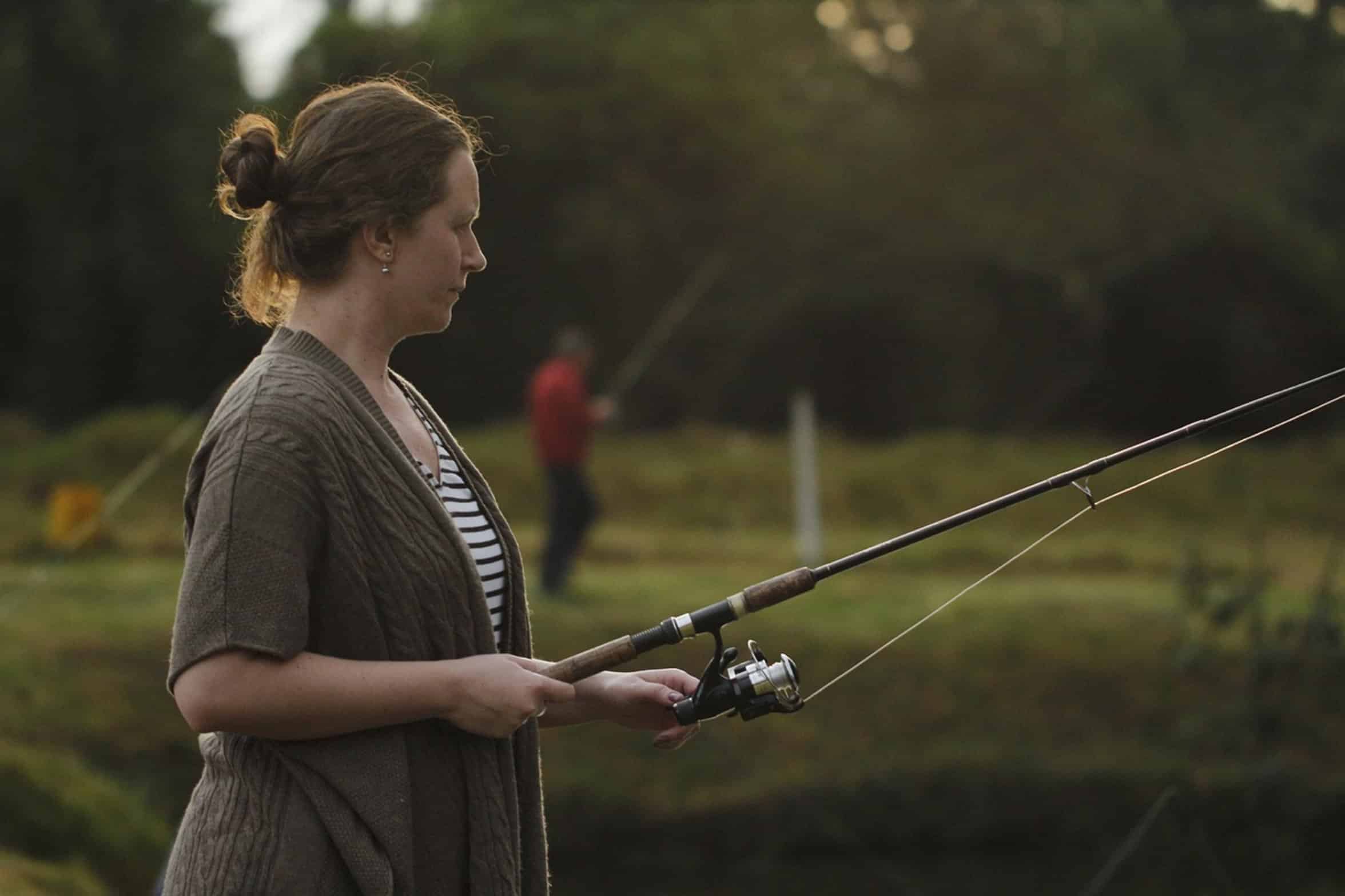
When you’re fishing a hair jig, you want to let the current do all the work. Cast upstream and let your bait float down stream on a natural arc. Let it swim free.
Keep enough tension on your line to feel for the bottom, but keep it loose enough so the jig can swing on a slack line. What you’re doing is imitating a ball of bait fish moving with the current. It’s passive fishing, but it works.” Retrieve slowly.
A slow retrieve is best because the marabou will collapse on the hook if you strip it out too quickly and lose its profile. A constant retrieve also prolongs time in the strike zone. Consider both current speed and water depth.
Proper Hair Jig Casting and Retrieve Techniques
The faster the water, the heavier the weight you’ll want to use to keep it in the zone. And on the other hand, slower water will call for a lighter weight to avoid it burrowing into the mud. The importance of durability should not be overlooked.
Soft plastics tear and plastic lures gets chewed up. A hair jig doesn’t lose its form after several bites and the marabou holds up well too. The weighty head is solid enough to cast around structure, over rocks, through weedy places and in spots where other lures would die.
Selecting Weight for Different Water Conditions
That makes it cost effective long term. Buy it once and fish with it for years. It’s good to have several colors and sizes in your box.
Durability and Cost Effectiveness of Hair Jigs
For example, you can use the smaller sizes for smallmouth bass and trout, while the larger sizes work better for pike and muskie. Your color selection will depend on the water clarity. Natural colors such as brown and olive are required when the water is clear.
If the water is murky then high-visibility colors are better. A combination of both gives you something for every situation. You know the saying, match the hatch!
Choosing Colors and Sizes for Target Species
Except in this case it’s a school of minnows instead of hatches. This ain’t some new craze; it’s been around for decades because it solves a particular problem. When artificial baits don’t cut it, this bait give you a more natural profile.
Today’s tackle stores are flooded with gizmos that claim they’ll do it all. Some do and many don’t. A hair jig does it every time.
It works if applied propery. It is a simple solution. A few in the box are all you need, and when the big ones go on vacation give them a try.
Let the current do the work and feel the slight pulsing down through the line. The old ways still have their place in moddern fishing. The hair jig waits patiently, just like the fish it catches.