Not everything you see on the store shelf work best when you are fishing. While latest fancy jigs and tiny plastic baits might be selling like hotcakes at your local store, how many times do they gets bit? The amount of action we experience is directly related to what the fish are feeding on naturaly.
While it sounds old school, a minnow or a live worm will catch more fish then an artificial grub does most of the time because it’s biologically based, not because of the marketing hype. We hear all the time about using artificial baits for crappie and bluegill but simple approaches often yield better results. The fish has to be more concerned about their own safety and these things do make them react different.
You can take your time adding small pieces of metal to your jig and hear nothing, then throw down a nightcrawler and get bit right away. It is not only because one is easier to use; it is because panfish are cautious animal. They know what to look out for and how to tell if something is dangerous to them.
Why Live Bait Beats Artificial Lures For Panfish
Why Live Bait Outperforms Artificial Lures
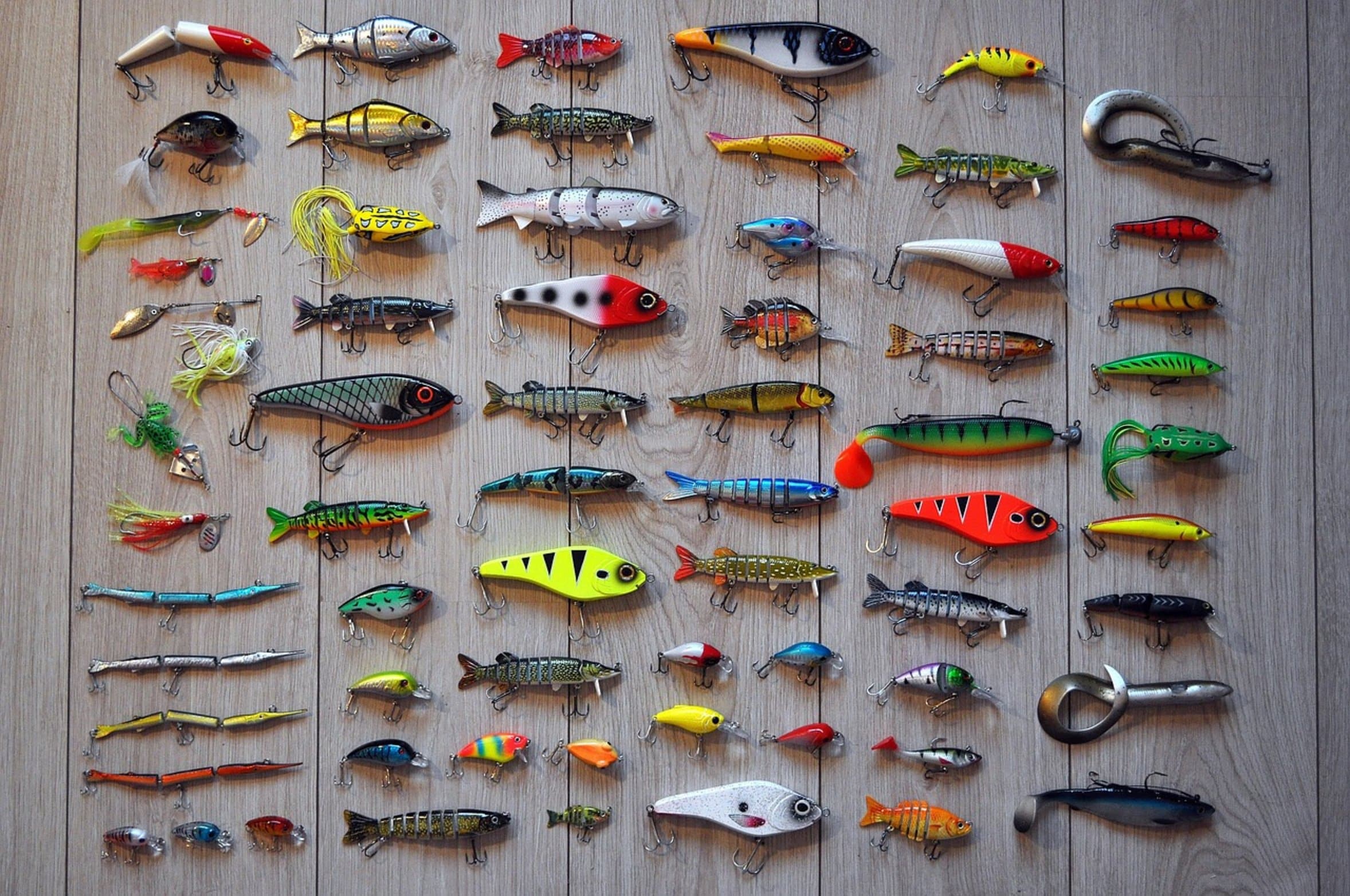
Live bait moves in an odd way like all prey. Artificial plastic wiggles in mechanical ways that don’t copy natural action, that makes all the difference between catching fish and sitting there all day long doing nothing. Scent starts attraction.
The Importance of Natural Scent and Movement
Seeing is believing for artificial lures; therefore visibility matters. Plastic lure are hard to see in lowlight conditions or when water is cloudy. Chemical signals emitted by live bait goes out right away.
They reach the fish quicker than visual cues can get to their eyes. Bluegill has excellent smelling abilities and will pick up amino acids off a worm before they ever lay eyes on hook. Plastic simply cannot replicate this sensory input.
Another advantage of live bait is that it will move. While a motionless jig might gets ignored, a minnow hooked up just looks natural, darting, pausing, reacting to water flow. This will trigger a predatorial instinct in a crappie that’s hard to replicate through fishing action.
Since the bait moves itself, there is no need for the angler to make it dance. Instead, it can be fished slowly, letting the bait do the work. It means being more patient than precise.
Targeting Larger Fish with Big Baits
The size helps too Small baits with little hooks are effective on small fish but a big meal is what bigger ones look for. A fat shiner or big nightcrawler is something they won’t pass up. With artificial lures, even if a fish bite, they sometimes don’t have enough bulk to make the big fish commit.
Bigger fish wants the high calories found in natural bait. Give them a good imitation to improve your odds of catching a keeper instead of just a little fish. Live bait has another advantage; adaptability.
Adapting to Changing Weather and Water Conditions
The conditions are constantly changing; temperatures vary, pressure changes and the weather shifts. Fish reacts to all that. To adapt to changing conditions with an artificial lure, you have to swap out your gear.
With a live bait, you simply alter the rig. Use a lighter hook for shallow water and a heavier one for deep water. Same bait works in many situations.
A leech will do it in cold stream waters while live shrimps will do it in brackish waters. Being adaptable reduces guesswork and gives you more time on the water. The catch is: Live bait demands attention.
The Effort and Reward of Using Live Bait
It requires a livewell and oxygen. It’s fragile; it will die quicky in warm temperatures. And it must be changed more often.
But most times the reward justifies the work. There’s something about a living thing that makes a difference when bites aren’t plentiful. The fact is: This isn’t traditional.
It’s respect for the food chain. You’re feeding the fish what it expects to find, and expectation is a potent weapon. Next time you see a shelf full of glimmering plastics, think about it from the perspective off the fish down there.
They don’t want to sparkle; they’re trying to survive. A live bait does just that (it’s messy), it takes some preparation, but it works. And all that matters is how many fish end up in your keepnet.
You should of used better gear if you wanted more bites.