We all do it, we use the same box of hook on multiple species. That’s practical right? That change until you tie one on to catch some shallow bluegills and they rejects your offering left and right.
Unless you cast poorly or are using the wrong bait, it isn’t likely that the issue is you. It’s often the hook size. Those panfish has very small mouths and keen instincts.
They gets a big old gulp of something heavy and say no thanks. Now this does not mean you need to buy more gear. You need to know how things work.
Essential Hook Features For Catching Panfish
Why Hook Size Matters for Panfish
When fishing for six-inch sunfish, that hook will be different then when you are fishing for a two-pound trout. How long of a shank do you want? What curve should the bend have?
What size wire do you use? These is just some of the question you need answered in order to get it right. If you don’t, you’ll leave with a full bucket of fish or an empty cooler.
Wire Gauge and Hook Weight
Heavier gauge wire is the first thing you notice. Pike and bass has strong teeth and bone, so they needs thick hooks to hold up. The weight of heavy hook causes it to sink too fast.
In shallow water, a heavy hook drop down too quickly. That’s not naturaly. Sunfish eat near the surface.
They likes a bait that stays with them in current. Lighter wire hangs in the current better. That look more like natural prey.
Subtle presentation make a big difference. Hook size are backwards with panfish. The bigger the number, the smaller the hook size.
Understanding Hook Numbering Systems
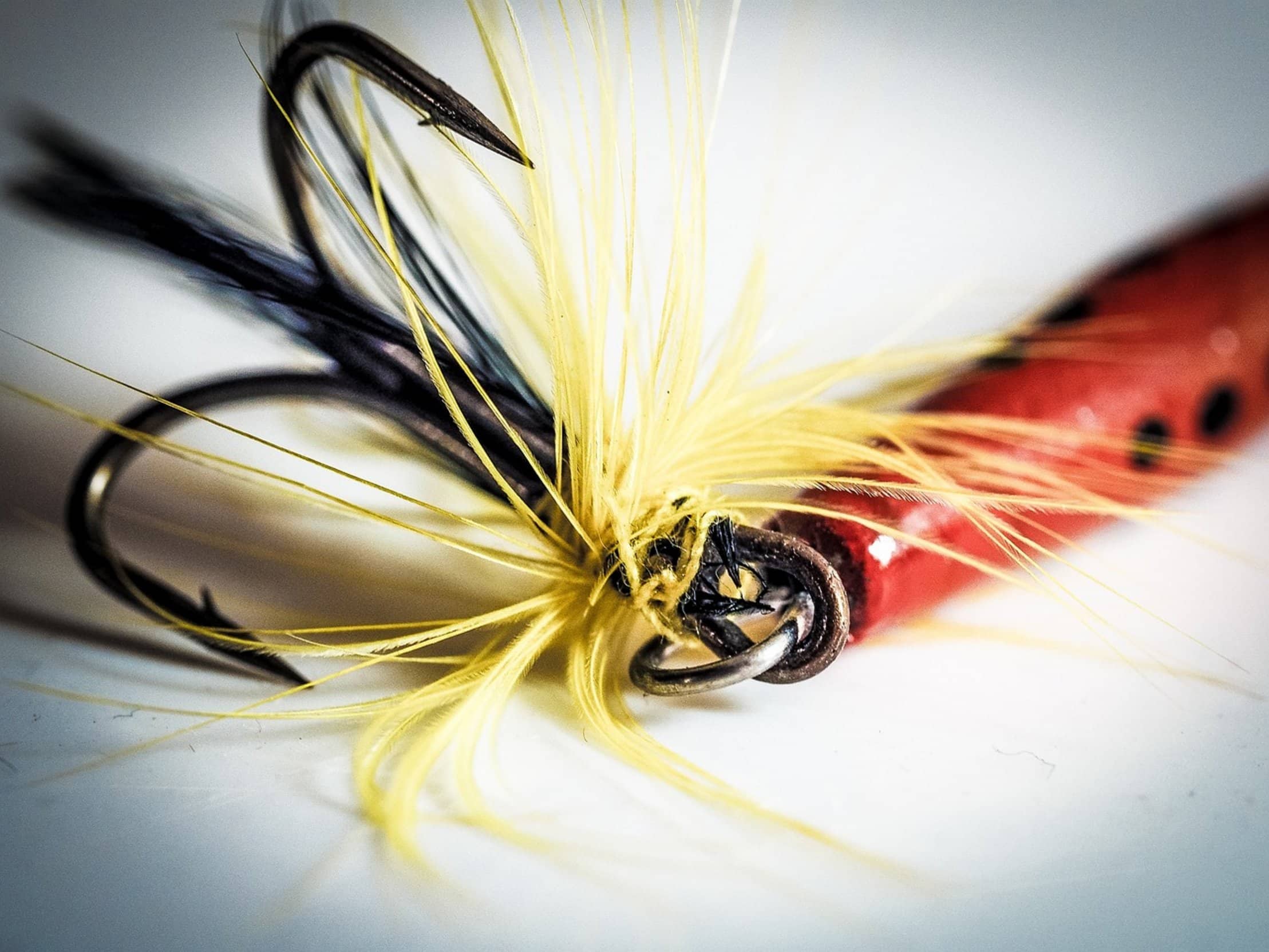
A number two hook is larger than a number four hook, which is opposite of how engine or clothing sizes work. For instance, a number two hook is not bad on larger perch and bluegill. On pressured water, or small sunfish, an eight or ten would of been better.
By matching the size of your hooks to how big a fish you’re fishing for, you minimizes the chances of deep hooking them. It also make it easier to catch them. You don’t want the hook so big that the fish can’t close its mouth around it.
Choosing the Right Hook Bend
But you do want one big enough to fill the fishes mouth. How you set the hook depend on the shape of the hook bend. Old school octopuses are shaped with a wide gap for larger baits such as nightcrawlers.
Using smaller bait like dough or small worms is a problem. That big gap let the bait slide around. It miss the point.
Circle hooks or hooks with narrower bends keeps small baits secure. Narrow bends/circle hooks holds small baits well. They also tend to stick the fish in the corner of their mouth.
There is less gut hooking. This is better for fish. It allow for faster catch and release.
Selecting Hook Finish for Water Clarity
A lot of folks forget about visibility. Panfish has always been hooked up with bright red hooks. They contrast nicely against a green pea or white bread.
You can also see your bait better with a red hook in clear water. But in dark shade or murky water, a plain finish may be best. It’s all about matching the water clarity.
When it’s muddy and dirty, the fish isn’t relying on his eyes so much. He don’t gets spooked by a plain hook. And in crystal clear creeks where you want an attractant, the red tip draw attention to the bait.
The Importance of Hook Point Strength
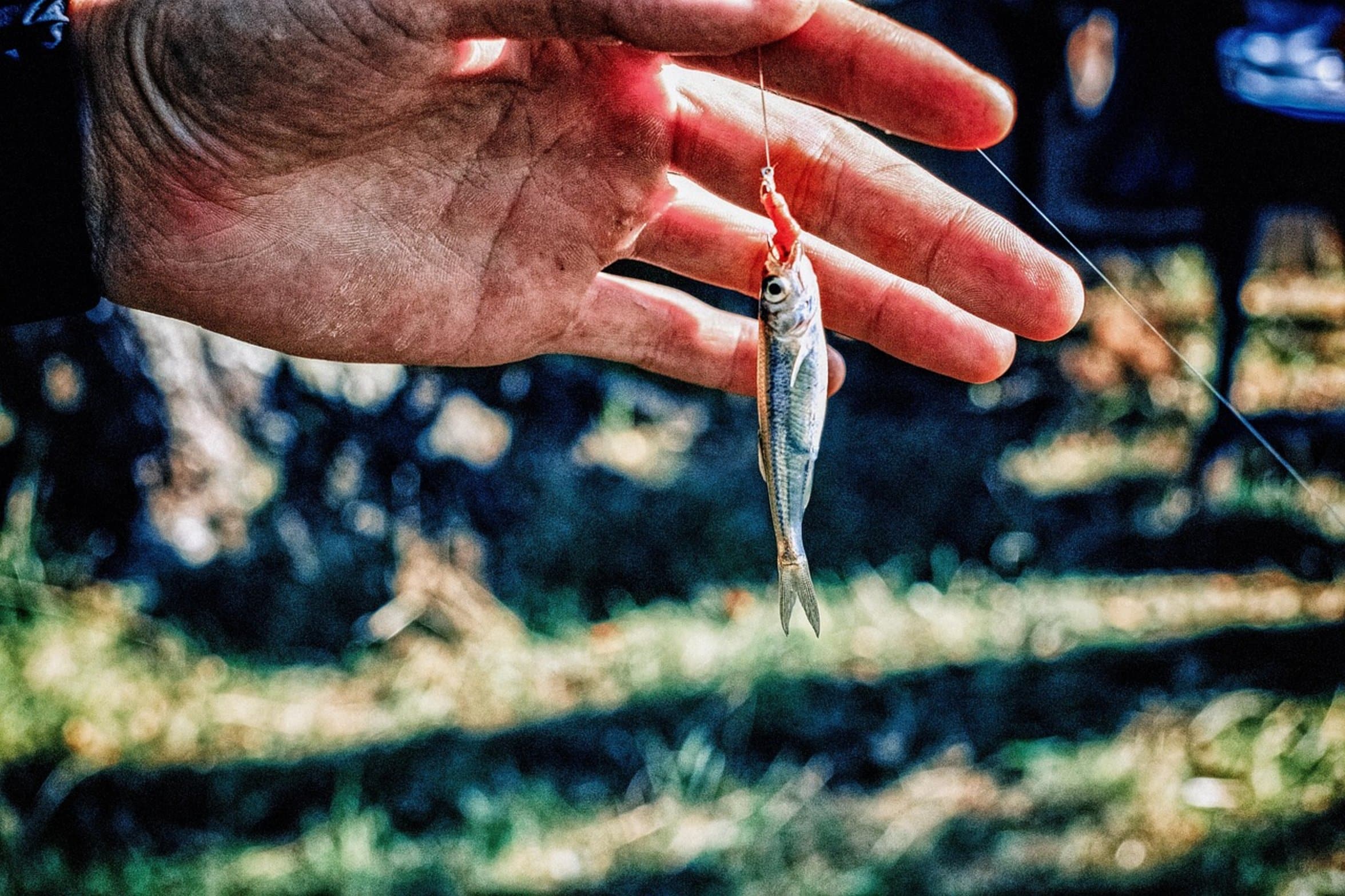
Lastly think about how strong your hook point is. I don’t want a hook strong enough to rip a bass through a rock. The mouth of a panfish are very soft.
Less jigging mean a finer point will penetrate better. And this make sense when they’re cold and sluggish. You don’t want to be able to yank and force a bite.
You want the hook to slip in nice and easy. Heavier gauge hooks takes a little more strength to set. This can spook the fish or even rip the bait loose.
Gently does it with light hooks. A little goes a long way Changing to the right panfish hooks is one of those little thing that make a big difference. You will lose fewer fish.
More bites that would have been fades. No, it’s not an expense issue. It’s paying attention to details.
Match the tool to the target and the water listen. Your tackle box isn’t just a place where stuff lives but a precision tool kit. Leave the big hooks at home next time you go.
The little ones will get the job done.