When most people are out looking at water, they’re looking for big fish; the trophy fish: either a deep shadow of a catfish or the flash of a largemouth bass. Those is the ones that gets hung on the wall, on the scale. But if you stop and take closer look at surface, you just might notice something even more gracefull than the brute force hunters that you have grown accustomed to chasing.
It are the longear sunfish. No other fish in whole pond ecosystem is as pretty as the longear sunfish. I don’t mean a nice scale or a spot.
I mean a creature that look like someone took paintbrush to it and decided they liked vibrant color and symmetry. The fish is small and often overlooked. This mean you are missing one of most beautiful sights in all of freshwater fishing, a beauty contest the bass never even entered.
Why Longear Sunfish Are The Prettiest Pond Fish
The Elusive Beauty of Longear Sunfish
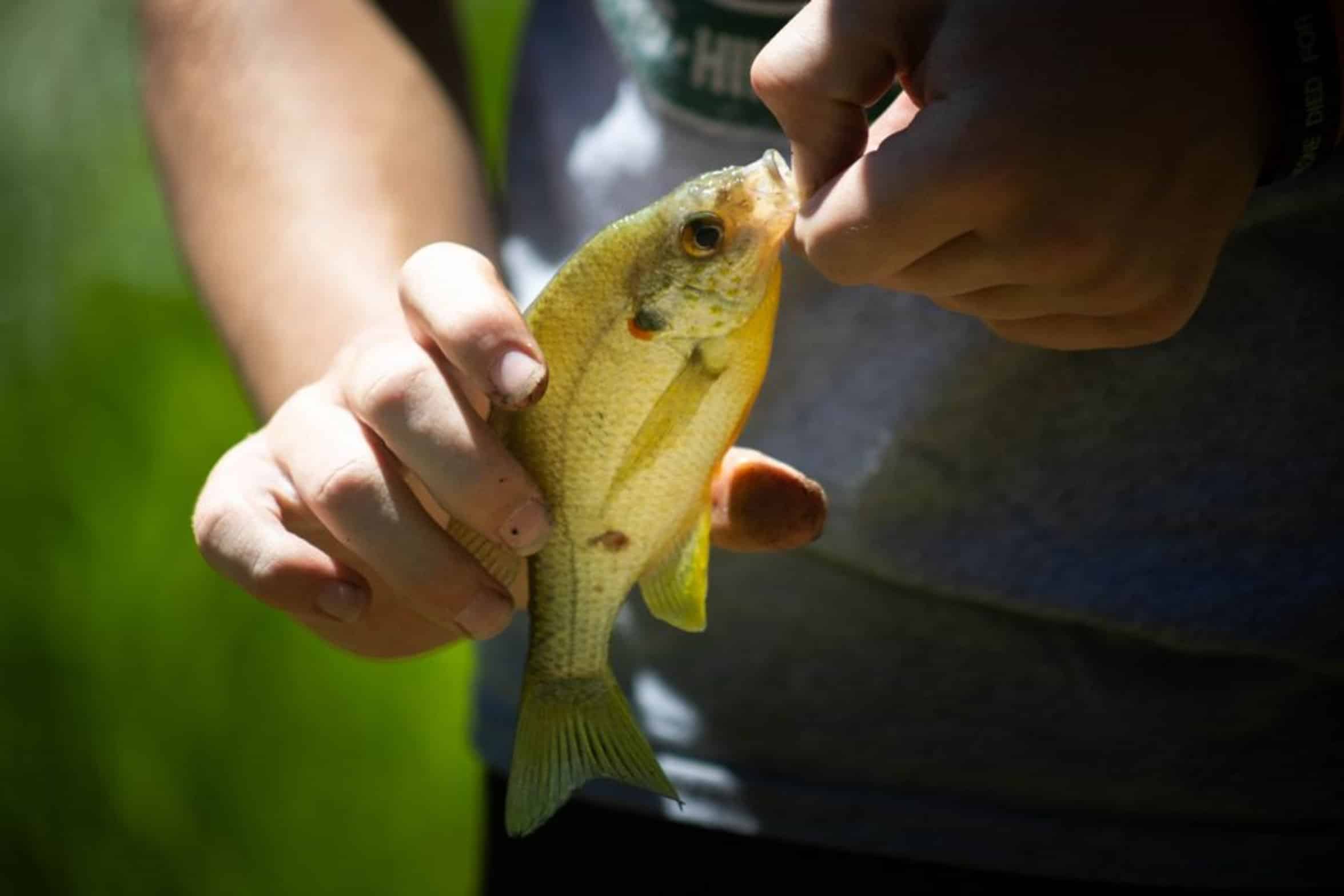
The body shape make a strong first impression visually. Longear sunfish, formaly called Lepomis megalotis, look different than their more stout-bodied cousins of redear sunfish and bluegill. They is longer, flatter, and deeper-bodied.
When seen from above they appear to be diamonds gliding through the water. Their movement seem almost purposeful. Not only can you witness them swimming, but you also feel them glide as they do.
Its shape are streamlined for moving through thick cover, turning and darting around to create a beautiful sight. Where the longear really earns its keep as beauty is in the color. Typically, the sides is some shade of golden-bronze.
Distinctive Body Shape and Coloration
Dependent off the angle of viewing and surrounding light. The real showstopper, though, is the opercular flap. That’s the colorful patch right near gills.
In a mature male, the spot is a shimmering blue; a brilliant glow of color. And it have a sharp, black margin that further enhances the blue. It almost serves as highlighter in nature.
Against the bronze body, the contrast are striking. Because it looks so artificial, you’ll find yourself staring at that one spot; as if a jewel was somehow implanted in the fish. Another chapter in its tale can be found in ear flap itself.
Longear get its name from the black spine on the opercular (that’s the flap covering the gills), which extend backward on the gill cover. This spine is longer and more pointed than rounded flaps of other sunfish species. Even when fish isn’t moving, this add to its motion.
It appear as if there is a banner or sail sticking out of back of the fish. Against the bright surface of the pond, it is different silhouette altogether. That black spine, when hit by the sun just so, make a defining line along the fish’s profile.
This detail make the longear different from common bluegill with its shorter, less dramatic flap. These fish can be tough to find but you has to get your head around fishing for them a little more differently than bass. Loud lures aren’t necessary; you don’t need heavy tackle.
Shallow Water Habitat and Ambush Tactics
Heck, using heavy tackle actualy hurts here. Longear sunfish lives in shallow water. They sometimes live under weed beds, along fallen trees, or even underneath docks.
Water is going to be warm and they prefer it to be weedy. That is also where they looks their best. The dappled light filtering down from overhanging trees bring out their golden color.
The brilliant blue spot on the opercular flap near gills really pops off of dark background like submerged logs. They’re ambush predators themselves. They lie in wait for insect and other small crustacean.
They’ve got great camouflage and all too often you see them by accident. But when you do see one, you immediately understand why. Because it flips the order of pond fishing on its head, there’s a silent pride in appreciating something others might of missed.
Appreciating the Pond’s Hidden Gems
You also know that big isn’t always better. Knowing that some fish are worth catching because they’re uncommonly beautifull. The longear sunfish put a demand on your pace.
It insist that you pay attention to detail. That your eyes lingers. There is more to the pond than pounds and ounce.
The next time you’re out there sitting beside the water, spare a moment to look at those shallow edges. Don’t just see the obvious stuff; look beyond it all. See that flash of gold and blue.
Maybe you won’t get it hooked up. Maybe you won’t even keep it. But you’ll see it.
That’s what the longear sunfish reminds me of: nature has something for us every day if we can only find out where to look. Sure, he may be smallest one on the board but he’s also the prettiest fish in the pond. And that’s a victory worthy of celebration.