When most folks envision sunfish in an aquarium, they’re either silver or green/blue. These strong species makes good beginner fish due to their durability and low maintenance, so it’s understandable why this would be the common perception. On rare occasion, however, one of these light-colored or darker fish will undergo a color change, shifting from some shade of orange to bright orange, like the following photo show.
At times, it seems to start with slight splotching, gradually growing into a deep, copper-like glow. Many hobbyists becomes concerned they’ve done something wrong, but they haven’t. Here’s the thing: Most of the time, an orange-colored fish isn’t a sign of anything bad at all.
In most cases, it’s a biological message of good health; not a bad one. Knowing what causes your fish to change color eliminate the uncertainty associated with aquarium keeping. A concerning indicator becomes a mark of distinction.
Factors That Influence Sunfish Color Changes
Why Sunfish Change Color
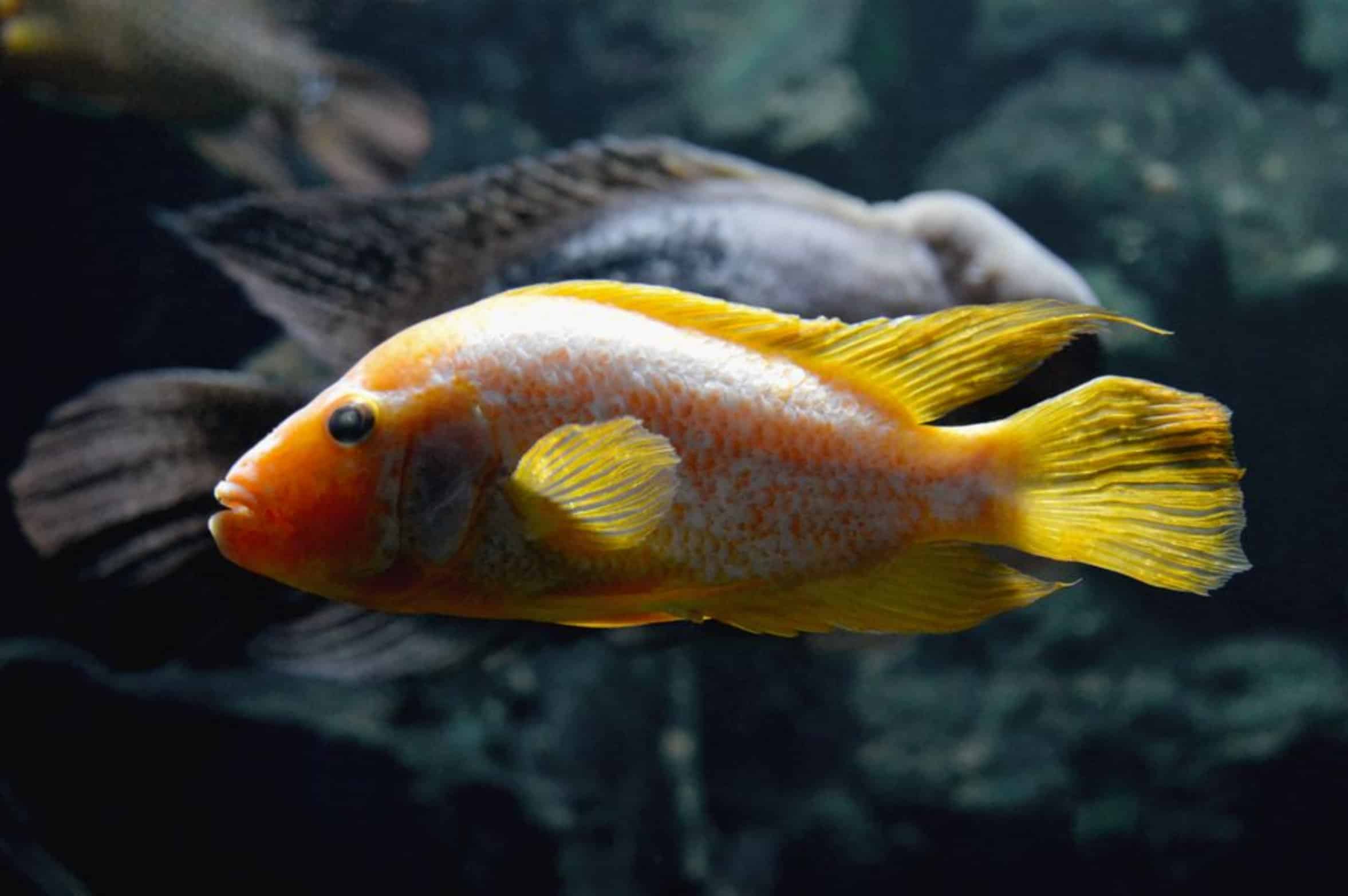
Pigment development depends largely off diet. While sunfish are omnivorous with a varied menu, their coloration is directly affected by what enters their belly. Carotenoid-rich foods serves as natural dyes, depositing pigment into scale and skin.
Pellet manufacturers such as Tetra and Hikari produces special formulations designed to increase color (e.g., spirulina, astaxanthin). They use the same pigments that give shrimp and salmon their colors. Perhaps you’re just using some generic flake, which will keep them alive but makes them look washed out.
The Role of Diet in Coloration
Switching to a color-enhancing formula gives them all the raw materials they need to turn orange. Over time those nutrients gets used by the fish and incorporated into their tissue. It’s not instantaneous, but it adds up.
They also get vibrant from having a variety of food items like brine shrimp or bloodworms. Fish aren’t the only ones who sees color differently based on lighting conditions. We do too.
How Lighting Affects Fish Colors
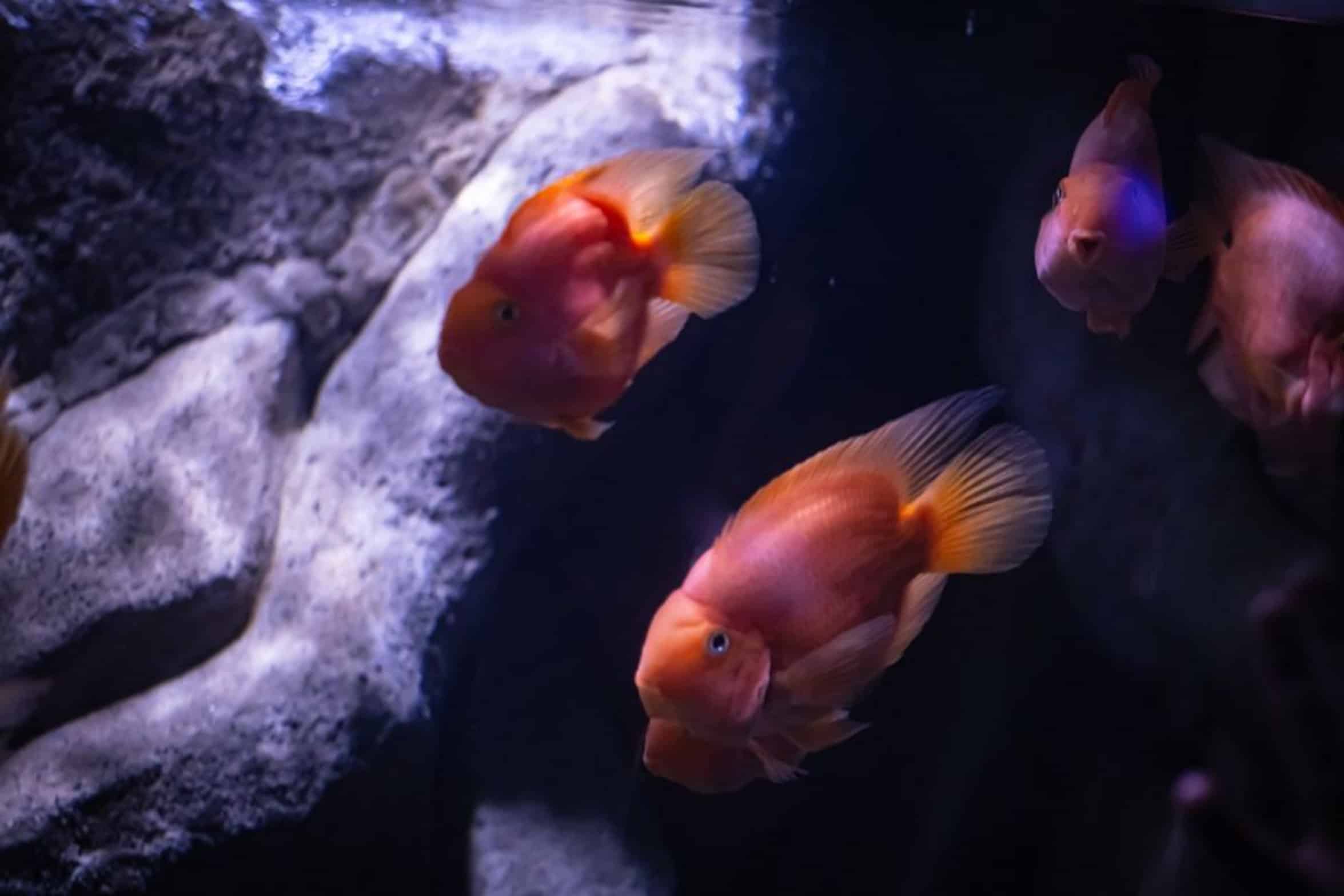
Bright, full-spectrum aquarium lights reveals hues that flat LED strips hide. Even many common shop lights is simply not bright enough to bring out the orange in a fish’s coloration against water column. A light upgrade to a brighter fixture with higher Kelvin ratings can change an otherwise dull looking fish into something rather surprising overnight.
It’s not about making the fish change, it’s more about bringing out what’s been in them all along. It’s like turning on a spotlight on a stage; things you didn’t see before get lit up by the right light. Your sunfish might of looked gray under those harsh fluorescent tubes, but under warm white LEDs it burst into color.
Nothing biological has changed, just how it presents.
Stress and Water Quality Impact
Color is dependent on stress, If your fish have been stressed (i.e., in poor water quality or have been bullied by tank mates), they will tend to lose their colors as a means of survival. Stress bleaching occurs when colors fade/dull due to stress.
Once social tension subsides and water parameters becomes stable, you’ll notice them start to regain their orange colors. The underlying healthy condition that allow for color is stable ammonia and regular water changes. In other words, a toxic tank won’t have a fish worry about looking good; it’s all about survival.
Clean water and safety make the fish feel comfortabley enough to let its colors shine through. And yes, this is an outward sign of a healthy ecosystem.
Genetic Limits on Pigmentation
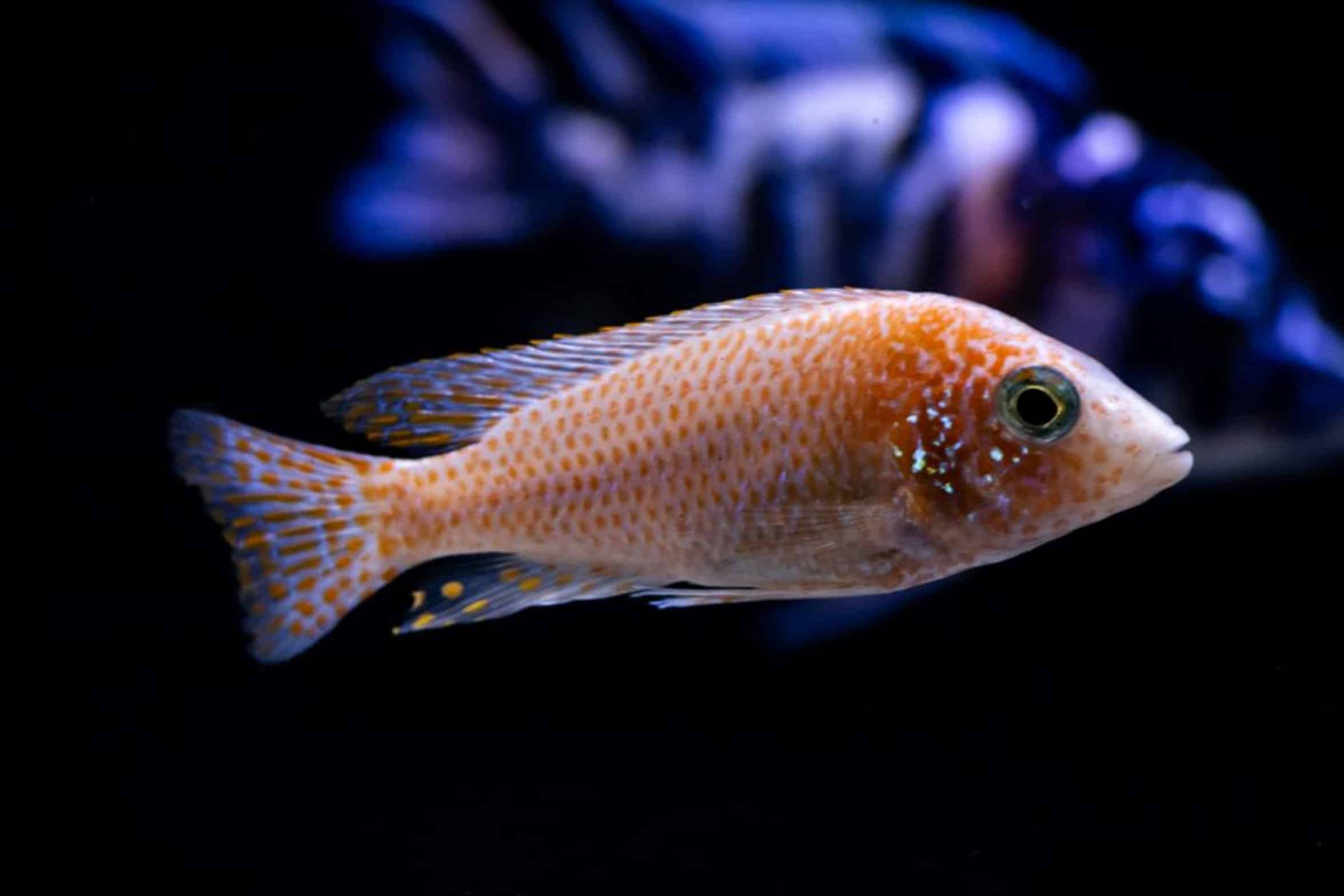
The last limit on possibility lies in genetics.
Even though you may feed them and light them to get the brightest orange colors, the genetic makeup determine how orange your fish will be. Certain strains of sunfish have been selectively bred to have higher levels of orange than others which has more subtle coloring. The offspring of highly pigmented parents will carry more color potential.
You won’t make a naturaly grey colored fish suddenly become super bright orange no matter how much you light it or feed it. Why are two identically maintained tanks producing different outcomes? It’s all in the genes.
Some fish will simply express more color than others due to their genetics. If you’re familiar with it, that is what this genetic ceiling represents. This knowledge saves one from frustration because the outcome doesn’t always meet expectations right away.
When your sunfish are orange, it’s a credit to your husbandry skills. The water quality is maintained, the diet is adequate and the lighting conditions is correct. Going from drab to vibrant isn’t something that happens overnight, however.
But it’s well worth the wait. When those fish gets that bright orange color, they’re saying everything is all right.