Black crappie are inconsistent feeders. It’s maddening; one minute they will attack everything in sight and next they won’t touch anything but live bait. Knowing when to throw at ‘em can mean filling your cooler.
The key is not necessarily having a bunch of fancy equipment; it’s about getting the right lure for whatever the fish are doing. Crappie fishing is more of a numbers game different than a lot of anglers want to admit. They casts and cast and hope they will eventualy get bit.
That strategy has its place; however, it also overlooks biology of a black crappie. These fish are vision predators that relies on their sensitive lateral line and react to flash, vibration and movement. Understanding how their senses work changes everything.
It stops you from guessing. It allows you to present the right trigger at the right time.
Best Lures to Catch Black Crappie
Understanding Black Crappie Biology
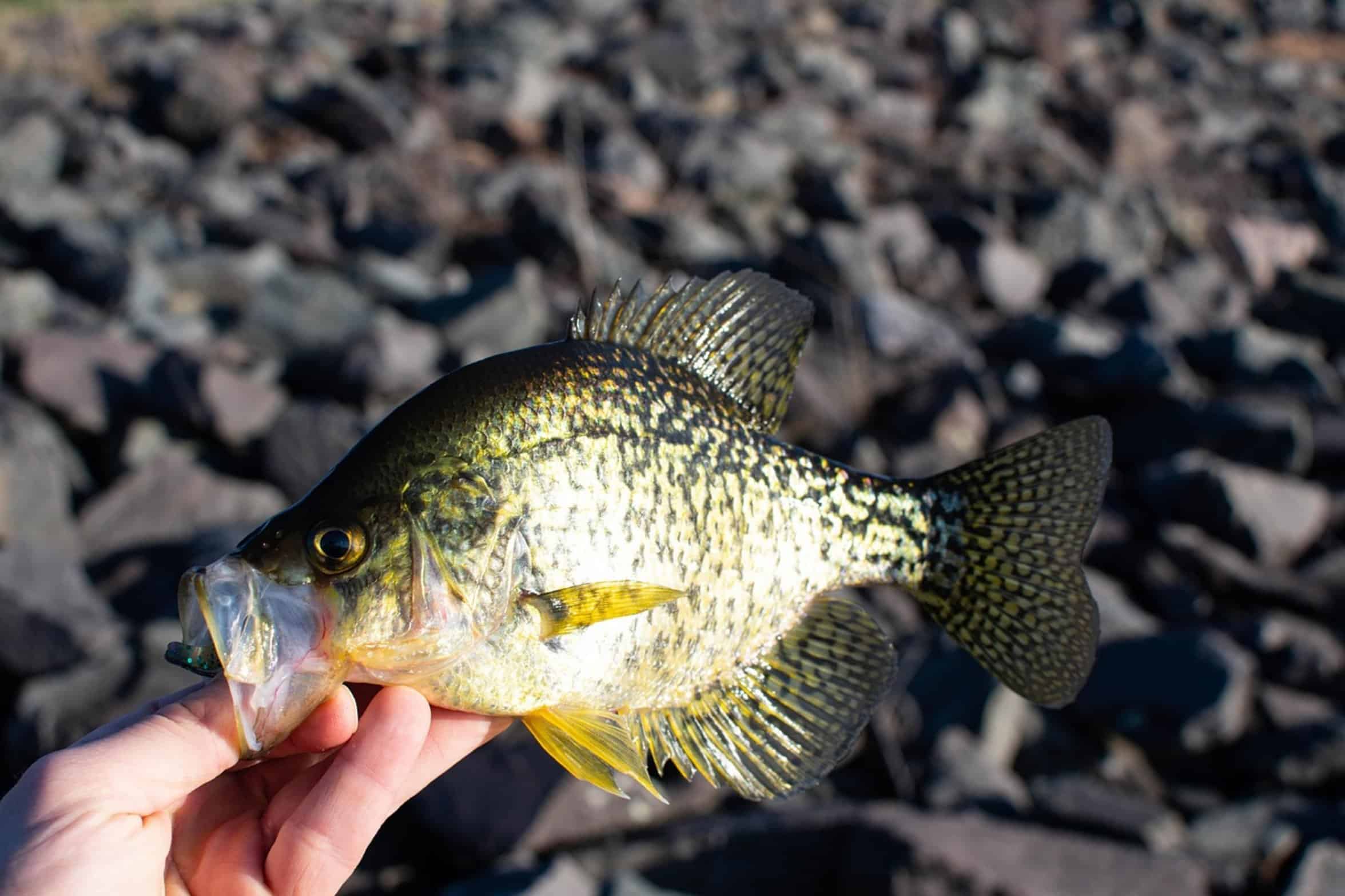
First up if the water is clear go with jigging spoons.
They’re long skinny slivers of metal that immitate small bait fish. There are some great ones out there from Rapala and Berkley that has a nice flutter action on the fall. The trick is to let them sink slowly then just give them a slight twitch.
That pause lets the crappie track them down on their lateral lines. When they catch a glimpse of flash, that’s what makes them move in for an attack. It also mimics natural prey cycle.
Using Jigging Spoons in Clear Water
Change to plastic minnows if the water becomes cloudy or stained. Use dark colors such as black or chartreuse. When the water is less clear, the crappie need to feel the water being displaced.
A softer plastic minnow, such as an Owner or Zoom Bait, create more vibration than metal spoon. By jerking your rod tip the body will wiggle hard and creates a strong sonar signature for them to feel. Because it’s made of plastic it will slow the presentation too and that’s important because they’re lethargic.
Fishing Plastic Minnows in Stained Water
Crappie anglers know about tube jigs; Smallmouth bass angler should too. During the spawn, a small black tube with a white speckle, fished on a small jighead is devastating. Female crappie guard their nests fiercely, and a tube jig looks like another male or a small predator that want to eat her eggs.
It works well casting around submerged timber or brush pile. Because the tube hangs vertically, it cuts down on weed hook-ups. Keep the bait clean and ready for action.
Tube Jigs for Spawning Crappie
Finally, inline spinners has their place in early spring. As waters warm up and crappies comes out of deep water and head for shallow cover, they are more apt to be aggressive and chase moving objects. Inline spinners like a Mepps Aglia create a large area of disruption.
With an easy retrieve, you can draw fish from afar because the blade keep spinning. It’s not a finesse bait; it triggers a reaction from fish that may not be very active. Fish it when other baits just lay there.
Inline Spinners for Early Spring
The final fallback is live baits. If all else fails, a split shot rig with a minnow will typicaly get you bit. It’s difficult to beat the natural action and scent of plastics, but you also can’t throw it as fast than an artificial lure.
You will struggle more and get less done, but it is okay if you just keep going. There are those days that call for what nature provides, and it’s there that you should of have the confidence of knowing you’ve got insurance in your tackle box. But it’s less about having a bunch of different lures then it is matching the presentation to the moment.
Live Bait as a Backup Strategy
Use slow presentations in cold water, provocation for spawning fish, vibration in stained water, and flash in clear water. Rotate through those choices, and you’ll always be one-step ahead of the mood of the crappie. Keep your box simple; make sure it’s versatile, and let the water dictate the choice.
It isn’t complicated; it’s all about adapting.