As the temperature continues to drop, the bite window decreases. As the fishs metabolism begins to throttle back, they slows down and a meal no longer becomes a reflex action; it’s a calculated decision. That biological change alter the rules of engagement on the water.
You could throw all the high profile plastics you own, but unless movement jives with slow nature of a coldwater bass, you’ll find yourself coming home empty handed. At this stage, it’s not about penetration off cover or casting distance. It’s all about presentation and trigger mechanics.
Why Marabou Jigs Work Best In Cold Water
Why Cold Water Changes Bass Behavior
For decades marabou jigs has been staples on ice fishing charts with good reason, they mimic injured prey well and there fibers move in a very naturaly rhythm. But most anglers write them off as strictly a wintertime tool. Wrong.
Early spring on a creek, late fall trolling on a lake or anytime it’s cold out there is a great time to use marabou technique. Because when the fish aren’t chasing hard bait, let the marabou do the work. Fish perceives threats in cold water.
Benefits of Marabou Jigs
A hard plastic bait with a stiff tail appear unnatural, sometimes predatory, especially to more conservative trout or bass. Marabou flows. The split deer or rabbit hair fibers part and rejoin on any slight rod tip action or change in current.
It pulses creating depth that is tough for plastics to match. And the thing is it moves passively. Because it is doing heavy lifting you don’t have to beat on it and make it look alive.
Even if they’re picky or not seeing well, its all about their visual profile. When it sits still, marabou gets compressed; while in motion, it flares out. That action create a trigger response for striking that you don’t get with static plastic form.
It appears alive and breathing, and that signal go straight to the fish. The defensive part of brain says ‘No’ but the eating part think ‘Yeah!’. You’re giving them something to eat that appears vulnerabel and requires minimal effort to consume.
Selecting Quality Marabou Fibers
The best jig are ones tied by yourself. The off-the-rack variety often employ less-than-quality fiber which bunches up and loses form on a handful of casts. Premium marabou purchased from fly fishing tackle companies like The Fly Fisherman hold its shape.
You want the hair to be dense enough to suit the species you’re targeting. Finer, lighter fibers will float in the current where trout swims; beefier, heavier hairs will withstand a rapid retrieve with no problems for bass. Get it wrong and the presentation suffer.
Marabou Jig Retrieval Technique
But transitioning to marabou does require a different way of retrieving. You can’t pull up on it like a chatterbait. Instead, the idea is to let the hair dance.
With short, subtle twitches, the hair will flutter and then fall back to rest. During long pauses, the jig will also float back down to a naturaly resting position. This imitates both a resting crayfish and a struggling baitfish, which is deadly.
It’s all about patience. You are waiting for fish to commit to a slowly moving target. The only true sacrifice come in durability.
Durability and Catch Rate
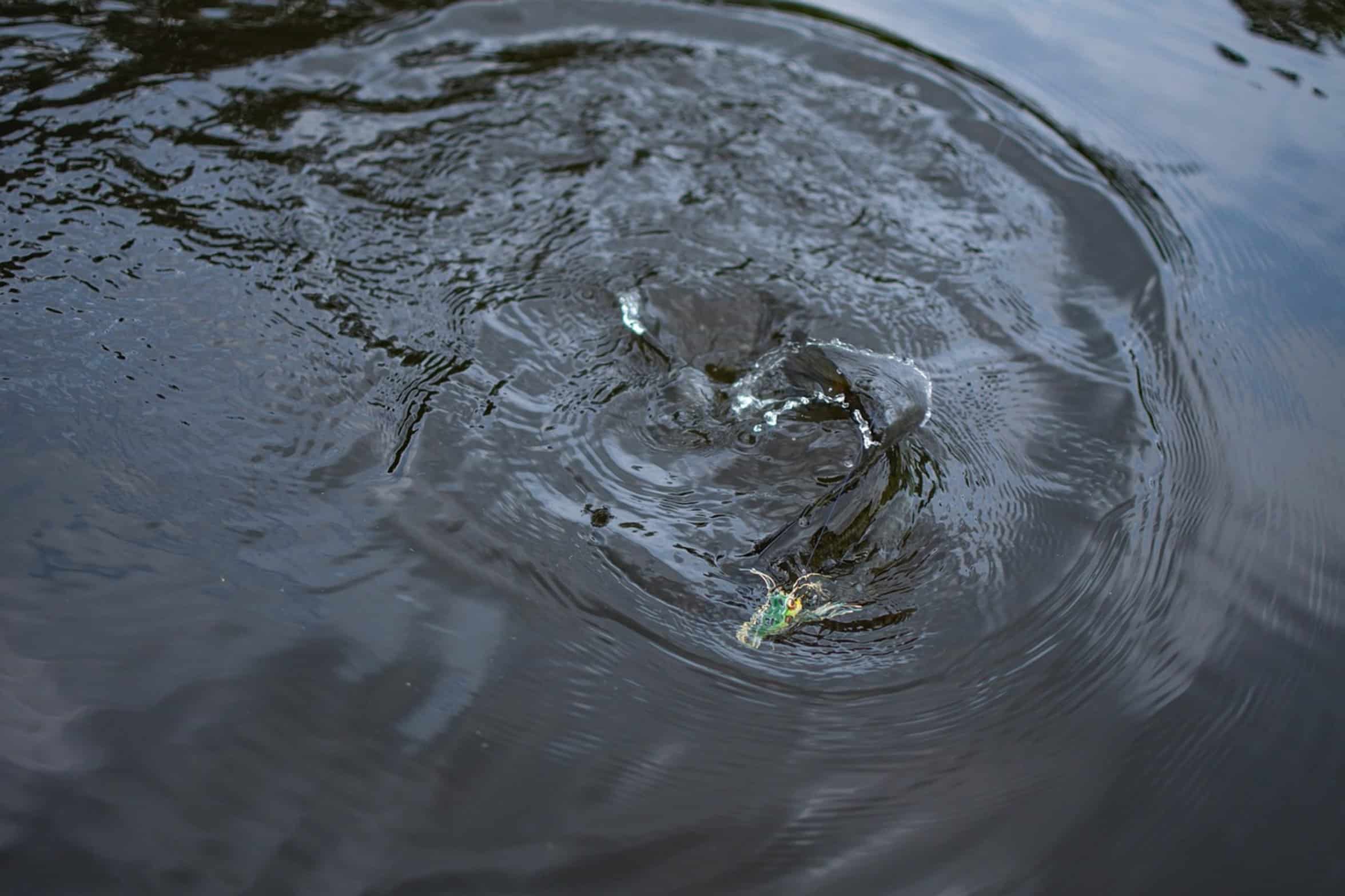
Abuse it on structure and you’ll see some shedding of those marabou fibers. Over time, rough rocky bottoms will cause strands of hair to come free, but if cared for properly, a well-tied jig will last seasons. The fish catch far outweighs the replacement cost.
It is a small price to pay for a better action. Simplify your game when that water gets cold. Ditch the fancy plastics and go back to the proven simplicity of marabou.
Let those fibers do the talking. You’ll be surprised at how much your catch rate improve from the change.