Sometimes you put a jig where they is supposed to be, at the right depth in the right type of cover, in the right water temperature and yet they won’t even give it a second look. What’s that all about? A big part of it relate to not using proper jig head.
How does the jig head affect what the jig do in the water and how much crappie see it? Is the color incorrect? Is the size incorrect?
Either way, an otherwise good morning can turn into a bust. Many guys overload their tackle boxes with duplicate jigs. They purchase all colors without considering what that color is going to look like on a given day and how clear the water are.
Matching the jig to the conditions will lead to consistant catches. To master this lure, you’ve got to learn about how fish sees and how the lure move. The little stuff matter; it makes a big difference in your harvest rate.
Choosing Crappie Jig Head Sizes And Colors
Understanding Jig Head Importance
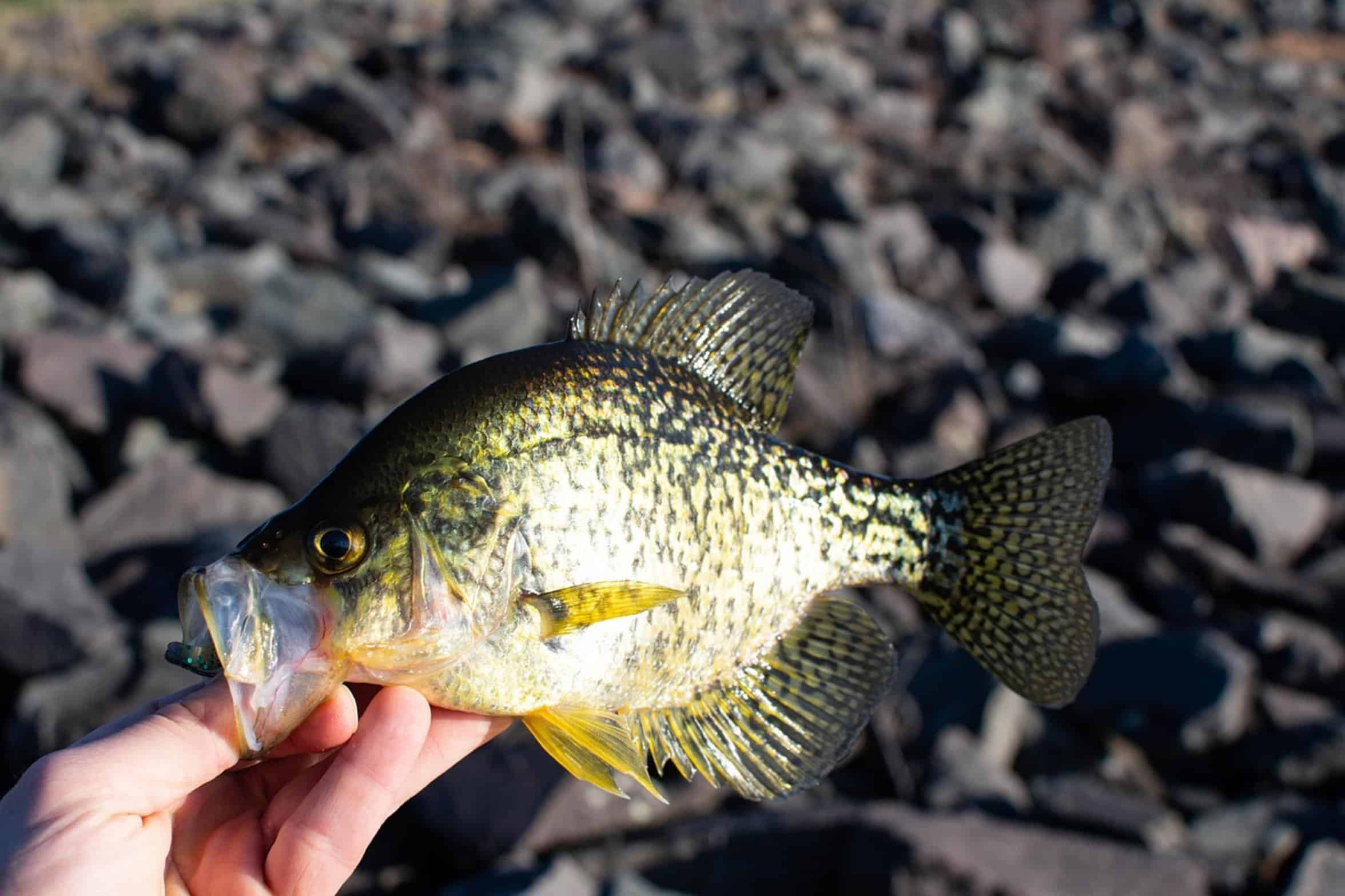
The weight selection will determine the sink rate and also the natural action. Crappie are ambush predators, and will attack anything that come by in an appropriate speed. If a jig sinks too fast, it is going to blow through the strike zone before the crappie have time to react.
Selecting the Right Jig Weight
If a jig sinks too slow, it’s going to fall out of window of opportunity. Typicaly on slower rivers and other inland lakes, 1/16 ounce is the right balance between sinking fast enough to get down to deeper structure quickly while still having lifelike flutter. Sometimes you want to go light and other times you want to go heavier.
Use it on super clear water or when they schools around the top of the water column. The longer it can fall, the better. That’s what we do with a 1/32 ounce jig.
It looks like an insect fluttering around or a dying baitfish. And the slower the presentation the better on a wary crappie who doesn’t like anything moving more fast. You will also want to go heavier when fishing where there is a lot of force being put on the jig such as a strong current or heavy cover like timber or dense weed cover.
In this case, 1/8 ounce jig punches through debris while keeping the lure in the strike zone. The color selection also matter greatly. In dirty or stained water, darker colors is good.
Choosing Jig Colors for Water Clarity
The crappie will see your profile as a silhouette against muddy water. Purple, black, and blue all contrast well against dirty water. In clearer water, natural colors performs better.
Silver, white, and chartreuse mimic the common food like minnows or shad in an area. They blend with surrounding water well so they don’t look suspicious but they’re still noticeable. The trailer’s color.
Matching Trailers and Blades
Color of the hook These two things interacts significantly. You have the contrast in the brightness of a chartreuse grub on a black jig head, which causes reactions from active feeders or in the transition periods. In the bright light, you may had better results using a silver flasher blade on a white jig head to imitate fleeing baitfish.
It’s all about how they interact together and what picture it forms in the fish’s eye.
Adapting to Fish Behavior
Adaptability is key. Don’t think you can use just one color or size of jigs in all scenarios.
Use a natural colored jig with a medium weight, cast it around, and go from there. Adjust your tackle as the fish tells you. If they won’t bite even though they follow, speed up or slow down your retrieve.
If they don’t pay attention at all, switch to more contrasting color. The point is: observe and adjust. Fish are constantly changing, so keep trying until you get it right, and when you do, run with it.
You should of tried different colors.