They are trying to recreate that with No Alibi Jigs. They want you to feel like you tied the jig yourself, even though its an off-the-shelf product. It’s a lofty goal and it seems simple enough: instead of churning out lures like everyone else, they say these lure is actualy hand-tied by real makers.
Sounds like marketing hype right? But then you get one in your hands and it becomes obvious. There really is a world of difference between hand-tying something and having machines make it for you.
Why No Alibi Jigs Are Hand Tied
The Hand-Tied Difference
That difference isn’t just about sentimentality; it’s practical. While mass-production can be great for consistency, it’s usually terrible for catching fish. Every single lure come off a mold under exact amounts of pressure.
Why Mass Production Fails
Everything has to be exactly alike. This makes sense for a product line that needs to ensure consistent quality, but it doesn’t work well for fishing since fish aren’t all the same and the conditions constanty change on the water from hour to hour. What appears perfect coming off the assembly line doesn’t necessarily respond well to a slight current change or a tentative nibble.
Human Instincts in Design
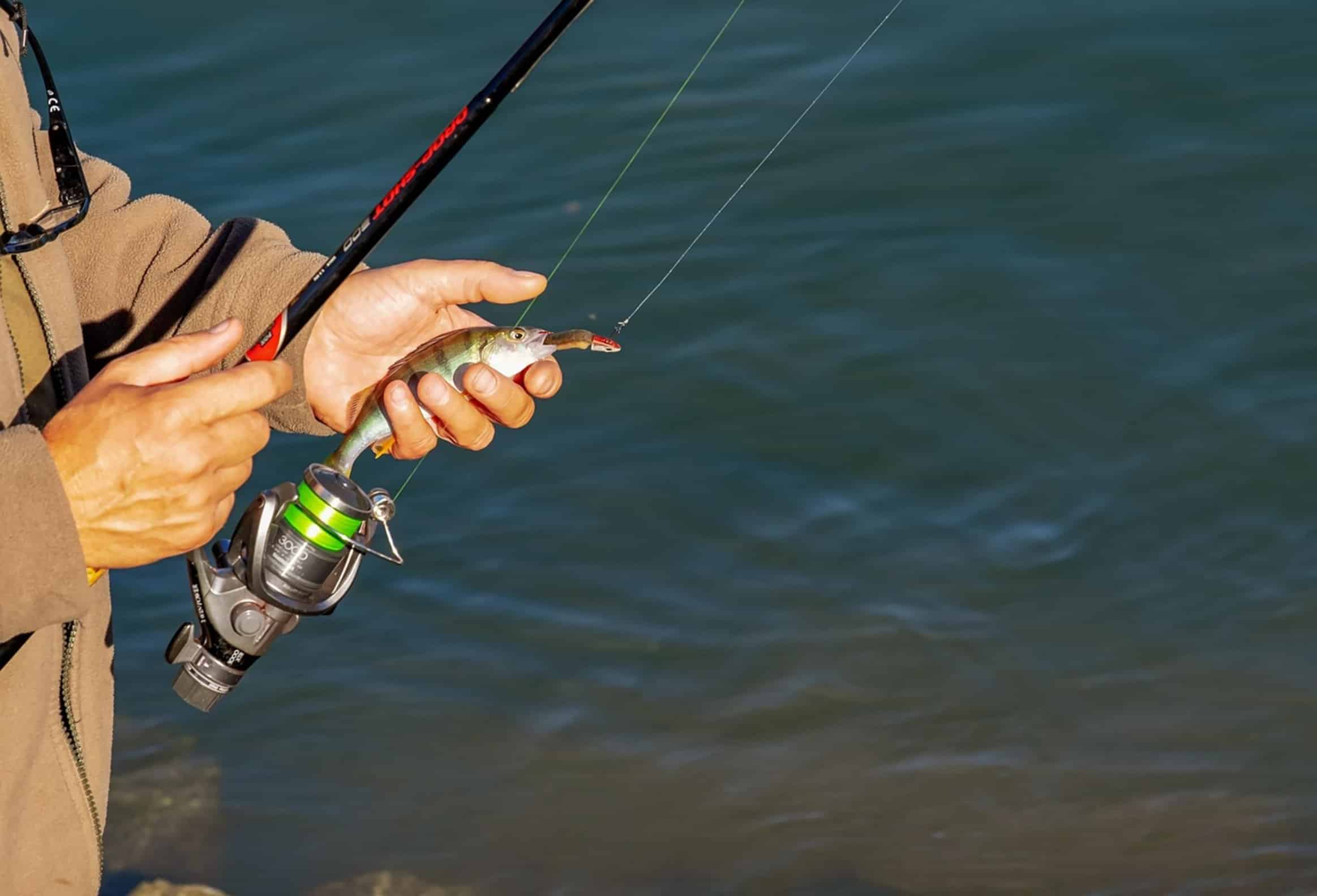
A hand-tied jig, however, can has those little variations that actualy make it more effective in nature. The typical angler think hand tied equals inconsistent, delicate, etc., but in reality it’s almost always more consistent and durable if done properly. Alibi knows that dance.
They tie every jig themselves to control everything to a degree a machine doesn’t even come close to. They don’t do it just to say they do. But because they know a machine runs a program, anglers rely on their instincts.
Hook Selection Matters
And a human hand can tweaks those variables on the fly like hook setting, material selection and weight distribution, things you can’t with a machine. That affects every part of how well the lure work. Even the hooks they choose tell you how they’re tied.
Usually machines uses one type of hook throughout a whole production run due to cost and time. Every jig is tied to the hook appropriate for the body style. Depending on whether the jig has a heavier lead head or a lighter presentation, we use different hooks.
We choose them based off whether we need a finer wire or less of a heavy bend in the hook. That way you know it’s going to penetrate just enough and at the proper angle. It is a small detail that no one notices until they stop getting bites, and then they suddenly realize how important it is.
Natural Materials for Movement
Another place where hand-tying excels is material selection. Machines do well with synthetic fibers as they are consistent and inexpensive. But natural materials such as marabou, deer hair and ostrich herl have movement and life.
When you tie these materials by hand, the angler can form them to his exact specifications. He can give them a tail that whips in the water or a collar that flares just enough to create drag. These subtleties gets crushed by machines, but No Alibi maintains them.
Standardized Handcrafted Quality
The end result is a lure that moves and appears like a living creature, not an imitation of one made out of plastic. Hand tied products once had a valid concern about consistency. Old stories told us we could of get two jigs from the same batch and get different results.
To combat this, No Alibi has standardized their tying stations but left it as a very manual process. Every tier has specific parameters on how much material they use and how tight they tie each knot. This means you recieve the value of a handcrafted product without the variables.
What you purchase in January will work identically to what you’ll purchase in June. That consistency is the link from handmade quality to the needs of moddern fishing. So when you chuck a No Alibi Jig, you’re not just casting fiber and lead.
Performance Over Marketing
You’re launching a product that someone took time to consider, make and test; one they know how to get strikes from because of the way the fish see it. The hand tying isn’t some throwback marketing ploy. It’s a performance feature.
Because of the slight differences in material and hook positioning, it move in the water different than its stiffer, molded competition. You’ll notice the difference when you get it back. It is subtle but there.
But then again, that’s what makes ’em bite, right?