Fishing through ice is different than traditional open-water fishing. You’re standing on solid ice, waiting for perch, bluegill and other panfish such as crappie to strike. They tend be easy prey; they are plentiful and often one of the few target throughout the winter months.
Yet landing fish requires finesse. It’s tempting to make it static, if I present anything out there they’ll hit it. Oftentimes that’s not true.
Best Panfish Jigs for Winter Ice Fishing
Why Panfish Require Finesse in Winter
Fish metabolism is slower. Their response time are delayed. You must have something that look real and moves realisticly.
That’s where jig selection make all the difference. For this scenario, round baits are a versatile and easy-to-use option. Small spherical plug come in many color options from brands such as VMC and Rapala in all different size.
Using Round Baits for Slow Presentation
You simply bounce it along bottom or slightly off of the bottom. This action is enough to make fish curious about whatever is hiding on the structure around them. Because the jig will flutter down slowly while keeping tension on your line, it’s a great way to go when fish is being finicky.
If you’re looking for something a bit more aggressive, a jigging spoon also produce well. An oval-shaped flat spoon like the Umpqua Pappa have an oblong body that will wobble on the fall and reflect light, attracting predators even from a distance. Spoons especially appeals to perch due to their erratic nature.
Jigging Spoons for Aggressive Action
Fishing is a combination of active teasing and steady hand work, requiring the rod tip move up and down rhythmically. When they get buried in thick cover or water is dirty, soft plastics are also invaluable. Use a very light hook with a small piece of nightcrawler or a pinch of Berkley PowerBait dough.
Soft Plastics and Natural Bait Options
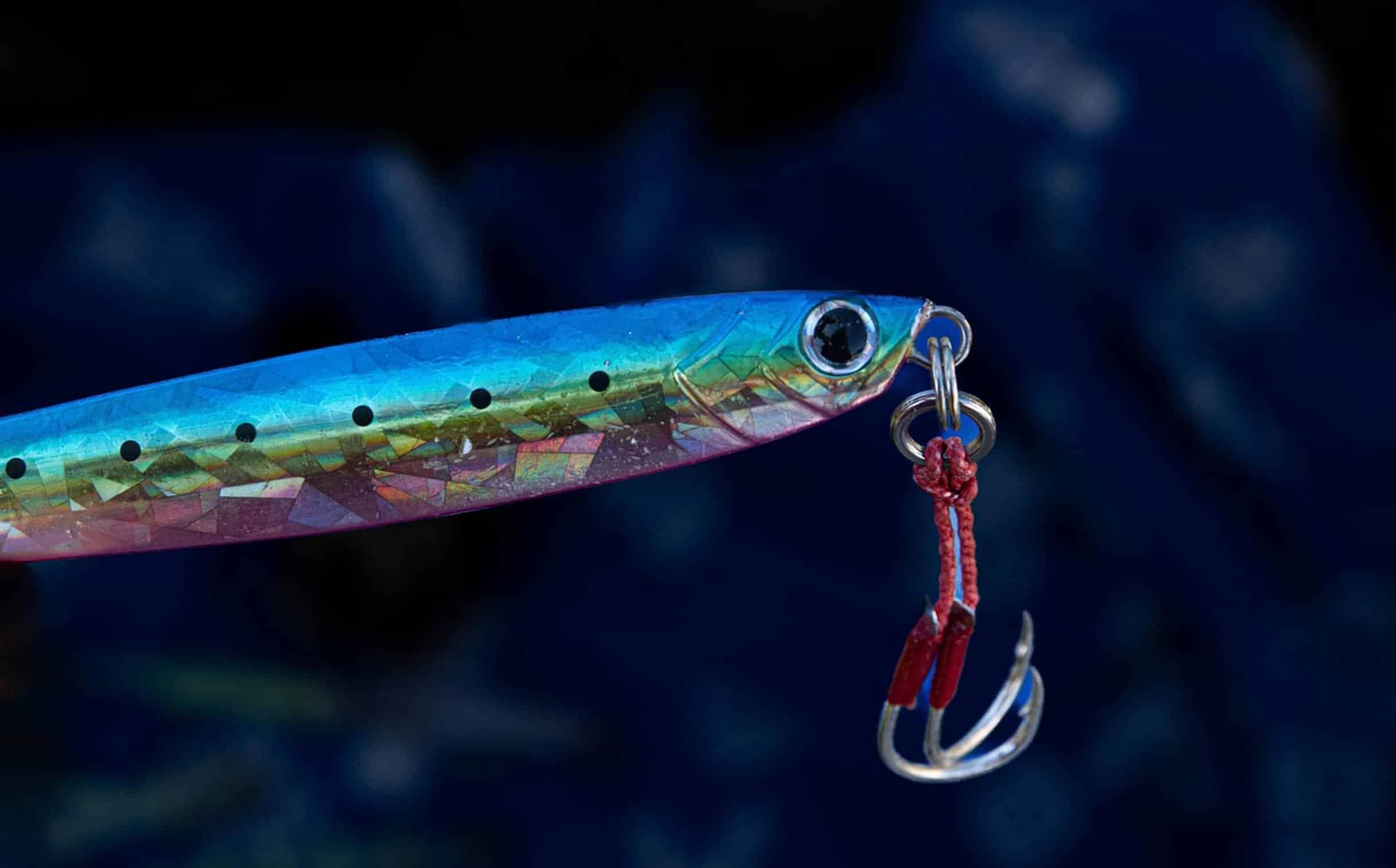
Both of these baits feels natural in fish’s mouth and lessen their hesitation. Winter panfish are wary and seldom accept anything hard or artificial. Inhaling something soft give them time to take the bait in before they know about the hook.
It takes some patience, but would of trigger bites from the most selective fish. Color selection is pretty straight-forward, more based off water conditions than personal preference. Use more natural colors such as white, red or pink in clear water because they matches small crustaceans and insect larvae.
Choosing Bait Colors by Water Conditions
Use brighter color such as orange or lime green in muddy or stained water where color stand out better against dirty water. If you’re not getting a bite on your first choice after 20 minutes, swap it for a more flashy selection. The visibility of the bait depend on the water conditions.
Adjust accordingley. Finally, you need a sensitive rod that will allow you to feel very light bites. The best way to describe it is that when a panfish bite, there isn’t much pressure.
Essential Rods for Feeling Light Bites
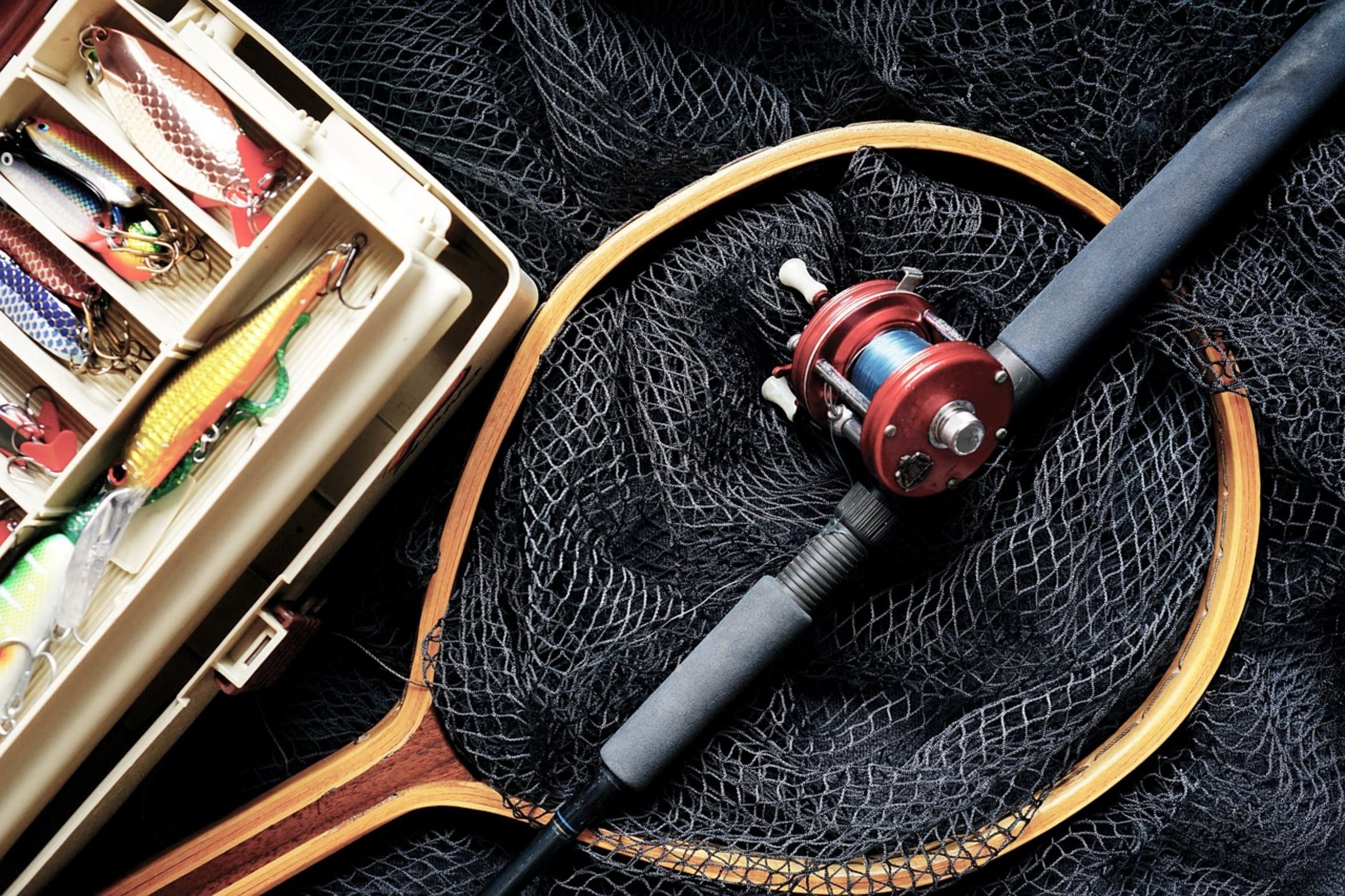
It’s like a light tap on a stiff, inflexible pole. This is why having an ice rod designed for panfish are a necessity. A fast-action tip, like in a St. It is a St. Croix or G. Loomis.
A Loomis rod will emphasizes even the smallest tap on the line. Not only will you know when exactly the fish grabs the bait but more importantly, when they spit it out, as this is a common occurrence with panfish. So your technique has to go hand-in-hand with patience.
Delicateness in presentation call for delicate equipment.