If you’re an angler, I’m sure you’ve heard it before, the telltale hollow clatter of a plastic lure bouncing off the bottom of your trunk. You reach in to grab something heavy on the end of a hook, only to have your fingers grasp nothing but a flimsy piece of plastic with a few strand of hair hanging from its head. Panfish fishing can be easy.
That’s why a lot of people see it as the gentle entry point to fishing, where kids learn patience or someone can go catch a quick dinner. But the tackle gets in the way. Those little plastics that we use for perch, crappie and bluegill is annoyingly delicate.
Frustratingly fragile, yet tough to deal with when you’re trying to get somewhere fast. Panfish aren’t finicky creatures, they’re greedy opportunists that will take nearly any lure they see moving toward their face. So what’s the problem?
It is physics. You’re attempting to throw something smaller than your average paperclip on a fishing line. The margin for error are razor thin.
One split second of distracted handling, a bit of wind and a tangle of leaders can transform a productive hour into a waste of time. To keep more fish on the line, you have to understand why those little plastics keeps going missing. And it begins with understanding that size isn’t only a measurement, it’s also a liability.
Why Small Panfish Lures Keep Getting Lost
The Physics of Panfish Lures
Weight Panfish plastics dissapears because of a lack of mass. Most of the time standard soft plastics and panfish jigs range from one sixteenth to one thirty second of an ounce. That’s barely more than what it takes to break free of surface tension in the water.
They can’t even provides any stability when cutting through the air. So you throw these little baits out there. It’s not like throwing a projectile, it’s drifting.
And that makes it oh so vulnerable to wind. If you get a slight breeze that you don’t even feel while throwing a bass jig, it’ll shoot your crappie minnow into the cattails. Adding weight solves this problem but it also impacts the action.
Weight and Visibility Challenges
Now you’re balancing the natural fall of the bait against getting distance. But there’s also the matter of visibility and profile. Bluegills are tiny.
Their mouths are tinier than that. A big plastic grub designed for bass aren’t going to get eaten by a panfish. So you have to downsize.
And sometimes to such an extent that when you drop it into the water, its no longer visible to human eye. Which presents a conundrum. How can you create a lure big enough to see and hold in your hand…while making it small enough to fit inside the fish’s mouth?
Many folks make do by coloring them bright or glow-in-the-dark. That aids in finding the lure but doesn’t address the handleability issue. In other words, you’re still wrestling with a ghost in your hands.
Hook Quality and Durability
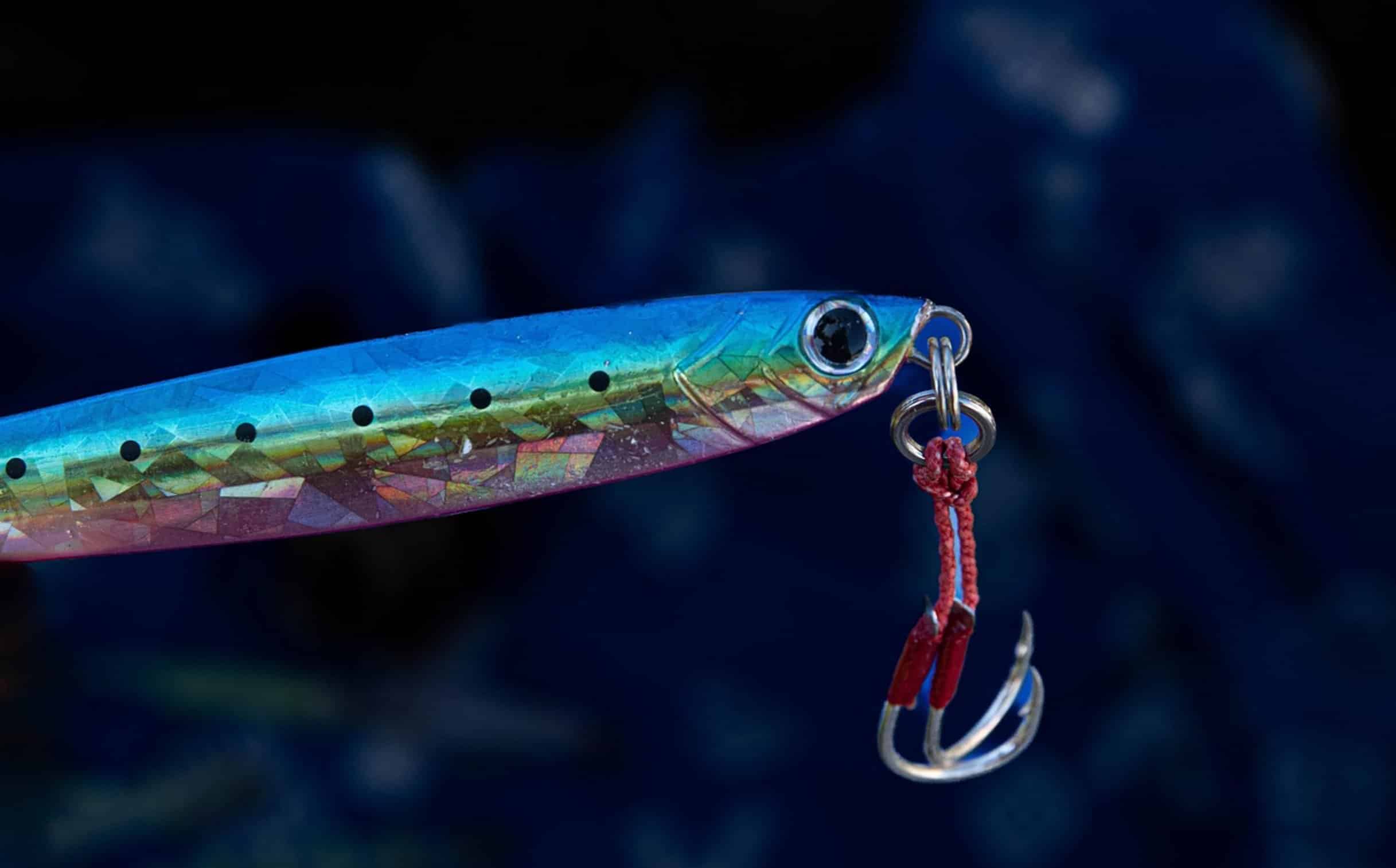
The biggest cause for missed hooksets is also tied to the hook. Poorly made tiny hooks will simply bend or break with minimal resistance. They will bend or break under the slightest pressure from fighting fish.
Crappie don’t go on a marathon run when they gets hooked. But they will give a big enough tug that a poor quality hook will fail. Thin wire or dull points allows the fish to pull out.
Even worse, the hook can actually be bent during the cast if you’re using a stiffer leader material. As the line hits the plastic lure, it whips around and forces the lure to snap back against itself, bending the hook. That’s a silent killer too.
You don’t realize the hook is compromised until you fail to set it or lose a fish. Check your small hooks each cast. It’s a setup for failure Nature doesn’t help your cause either.
Fishing in Weeds and Cover
Panfish often hold in weedy areas, near docks, or in structures with heavy cover. All this structure grab small plastics and hooks them alarmingly well. While a jig with a weed guard is better, it weights down the offering and hinders its action somewhat too.
Weeds and soft plastics made from any material besides metal are even more problematic. They’ll grab each twig and root they pass. Recovering a stuck piece of soft plastic is nothing short of hard work and destroys momentum.
As a result, many turn to weedless baits such as hollow body plastics or nailless jig heads. With these, the bait will slip over cover and not stick to it. Lastly think about the storage.
Organizing Tackle and Storage
Small plastics tangle. They huddle up together in the tackle box like a bird’s nest of hooks and skirts. And before you know it your rig is compromised by the time you hit that dock.
Instead of fishing you spend the next twenty minutes untangling lines. But it’s easy to organize. Use a divided box or keep like lures in their original package.
Don’t just throw a handful of micro jigs in one compartment. That’s a recipe for disaster. Take as much care with your small tackle as you would an expensive fly rod.
It is fragile, it is fussy, and taking care of it pays off. The little things matter in panfish. The sport is not about brute forcing it.
Panfish fishing is all about having a sharp eye for detail, patience and finesse. That frustrating first hour dissapears when you hook into that limit of bluegill. The sound of them clattering around in the back of your truck reminds you of what you lost.
It also reminds you of the challenge. Set realistic expectations. Keep your lines clean and your hooks sharp.
The fish are out there waiting and they’re not leaving.