All pond owners begin with vision of big fish. A huge catfish, or maybe a trophy bass. But then there’s the bluegill.
Small and plentiful. Not what comes to mind when thinking about achieving your goals as a serious angler. And yet they has gotten a bad rap.
The single best thing you can do for your pond is stock it with bluegill. Putting the cart before the horse doesn’t sound right, does it? You might be targeting predators instead of panfish.
The Key To A Healthy Pond Ecosystem
Bluegill as Pond Food Chain Drivers
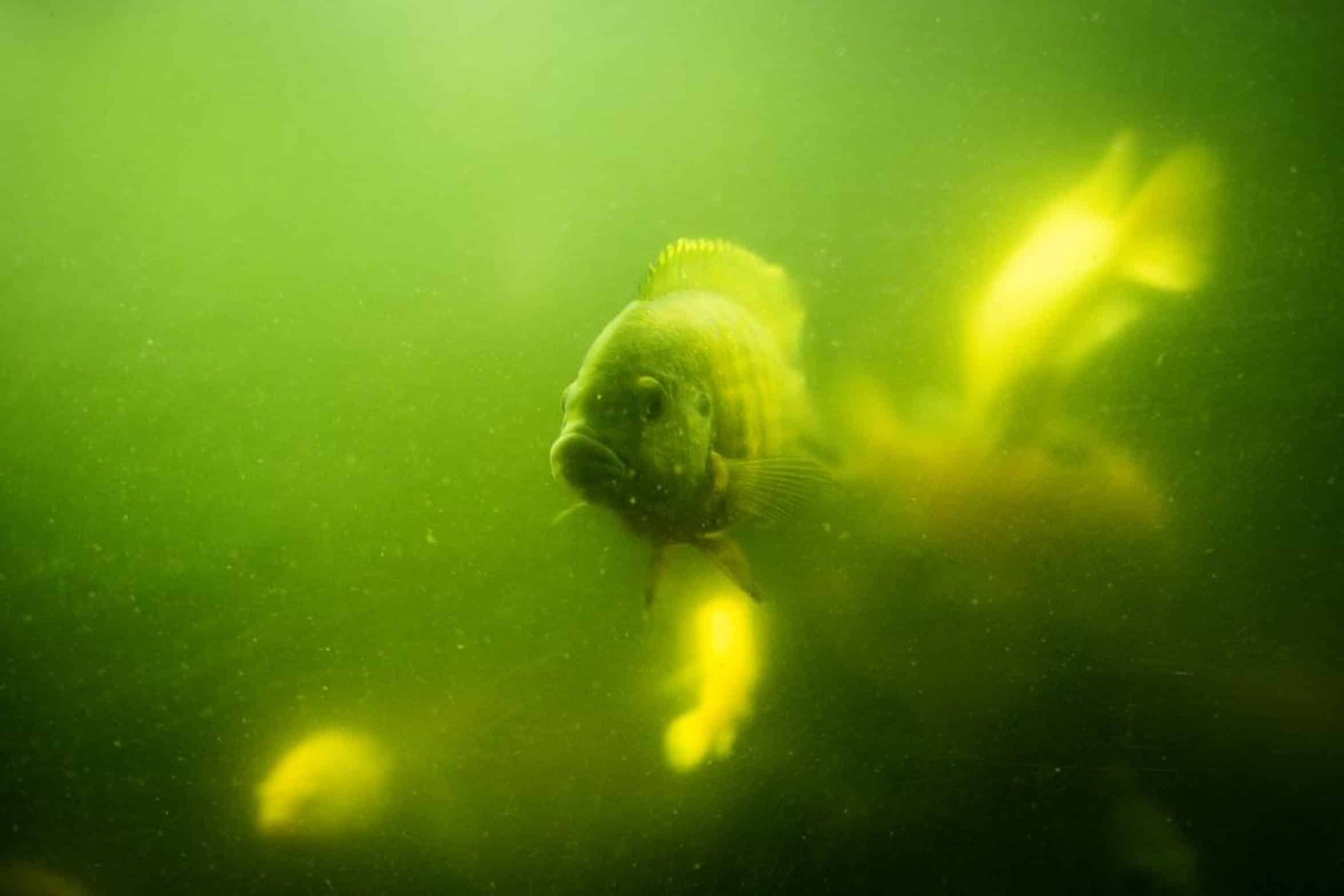
Here is why. Bluegill are driver in the pond food chain. They transform insect and algae matter into protein that other fish consumes.
If there are no bluegill, there isn’t adequate forage to sustain larger game fish. Add the best largemouth bass you want, but they’ll starve without bluegill. This is where the biology of bluegill help it.
Bluegill will breed effective in most any water conditions. Bluegill will eat nearly anything that enters their mouth. It’s small crustaceans, insects and the like.
These are item that otherwise would rot on the bottom. Eating this waste clean the water just a little bit. Bluegill grow fast too.
Fast growing means reaching catchable size in relatively short time. In other words you’re getting a return on your investment in one season. Bluegill is a managed species.
Managing Bluegill Reproduction and Overcrowding
In order to manage them, you must first understand how they reproduce. Early spring is their spawning time. Thousands of egg come from a single pair.
Their reproductive success is the reason why they’re so good. But it’s also the reason they becomes an issue if not controlled. Too many fish result in overcrowding.
Competition for food results when there are too many young fish. Growth ceases and what do you have? You end up with tiny bluegill that nobody want.
To solve it, you need predators, early. Largemouth bass is excellent partners. Bass eat the extra young bluegill.
That maintains their number. The survivors remain active due to being hunted. And those survivors grows up to become a decent-sized fish.
Stocking Timing and Predator Balance
When there’s balance between all these animal, you have a healthy pond. You have enough bass to control the bluegill but not so many as to eliminate them. How many are better than when?
Timing is everything. Some suggest that both bass and bluegill should of been stocked at the same time. That way you have right ratio from day one.
If you stock your pond with just bluegills, they will multiply out of control. When you add bass down the road it’s hard to know if size of the bluegills will even allow the bass to thrive. Maybe they won’t be able to catch them because they’re so big.
The predator/prey relationship has been establish too well by then. A healthy balance in the food chain is best achieved by stocking them both at the same time. Predators gets a jump on their prey.
Choosing Fingerlings vs Yearlings
How big were fish you bought?. Fingerlings are less expensive., High mortality rate. Yearlings or larger fingerlings is more expensive., Much higher survival rate., Faster initial growth rate…
Don’t get eaten by other fish., Bigger bluegill produce result quickly for backyard ponds. Survival justifies extra expense.
Post-Stocking Maintenance and Water Quality
Perform post-stocking maintenance., Keep commercial bait feeding to a minimum.
Established ponds has sufficient natural foods. Feed too much and you’ll pollute the pond. Algae blooms is caused by overfeeding.
Regularly check water quality. Good water promote healthy gills. Healthy gills mean better disease resistance.
Thick green water means something’s out of balance. Maybe aerate. Maybe decrease your predator load.
Benefits for Beginners and Family Fishing
Ponds stocked with bluegills are open to everyone. Anyone can catch a bluegill. Beginners succeeds and kids love it.
Simple rigs do the trick. Wiggling a worm under a bobber works well. The pond becomes a community hangout.
Everyone likes to catch some fish, even if they’re small. Satisfaction come from a full stringer. That’s more important than one trophy.
Building a Thriving Pond Ecosystem
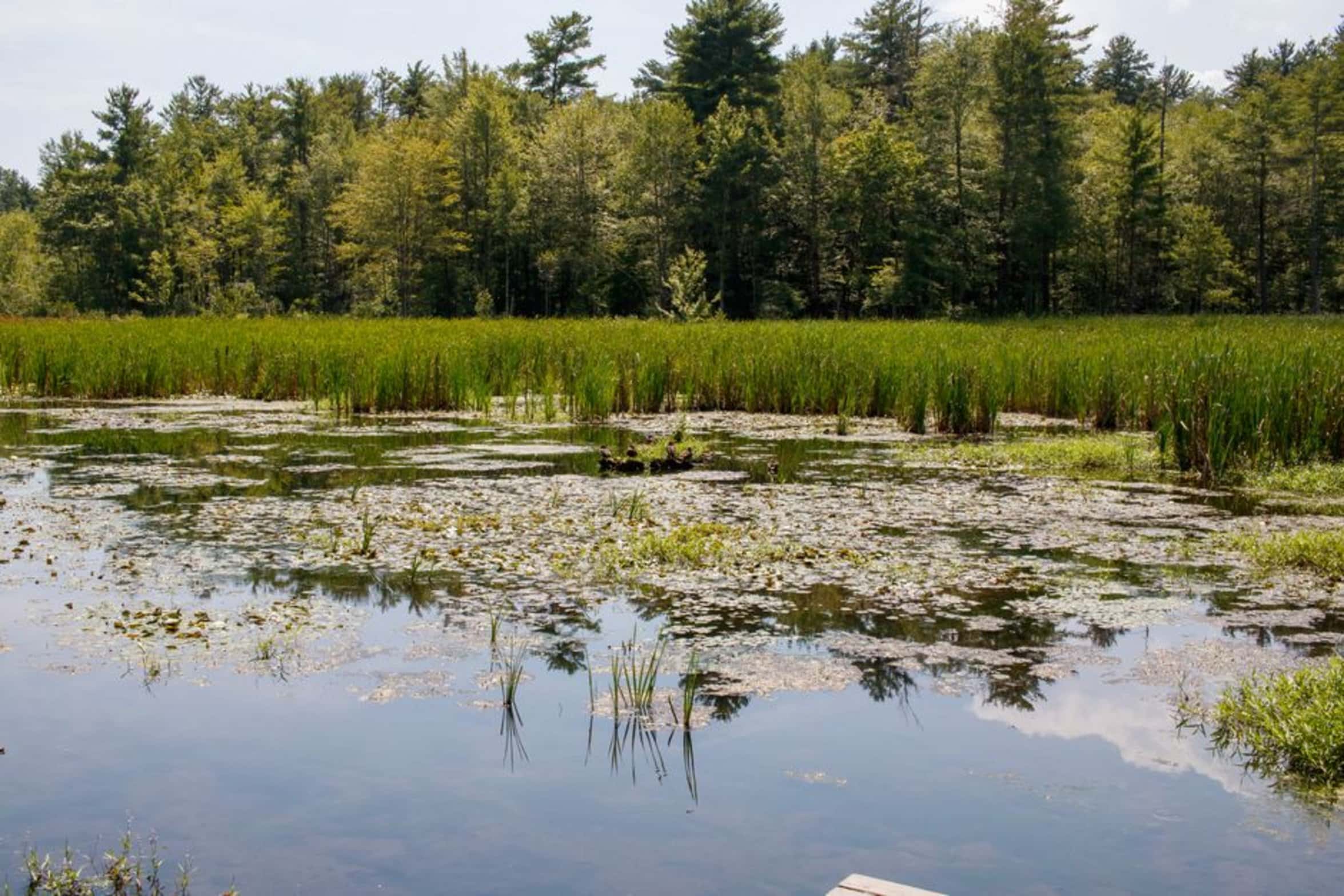
And then there’s more than just bluegill from the pond. Catfish and crappie also feed off the forage base. If managed properly it support larger bass.
But it begins with sunfish. Sunfish is the foundation. When ignored, systems collapse.
A thriving ecosystem is built through wise stocking. You must balance bluegill and their predators. Bluegill hold the key to the dreams of a productive pond.