Bass is smart creatures. They get to know what fights back, what prey looks like, how it tastes, and how it moves. For most of us, we consider them lone wolves.
That’s not entirely true. Bluegill are one of the major food sources of bass in most parts of the country. It happens regularly where you will see bass feeding on bluegill.
They even learn to hunt the way a bass hunts for bluegill. They key in on movement of a young fry in shallow water or the flash of the sunfish. The biggest chance you have to catch a fish is related to this relationship and it’s ignored by most fishermen.
It move from random casting to targeting behavior. Instead of blind casting, you’re now copying something the bass has already mentally decided is its desired food. That affects location of your cast, your color selection and the manner in which you work your lure back to the boat.
It becomes more strategic. It becomes a planned attack rather than a game of chance. It’s about making the bass react to its predatory instincts.
How To Catch Bass By Targeting Bluegill
Bass Predatory Behavior and Bluegill Relationship
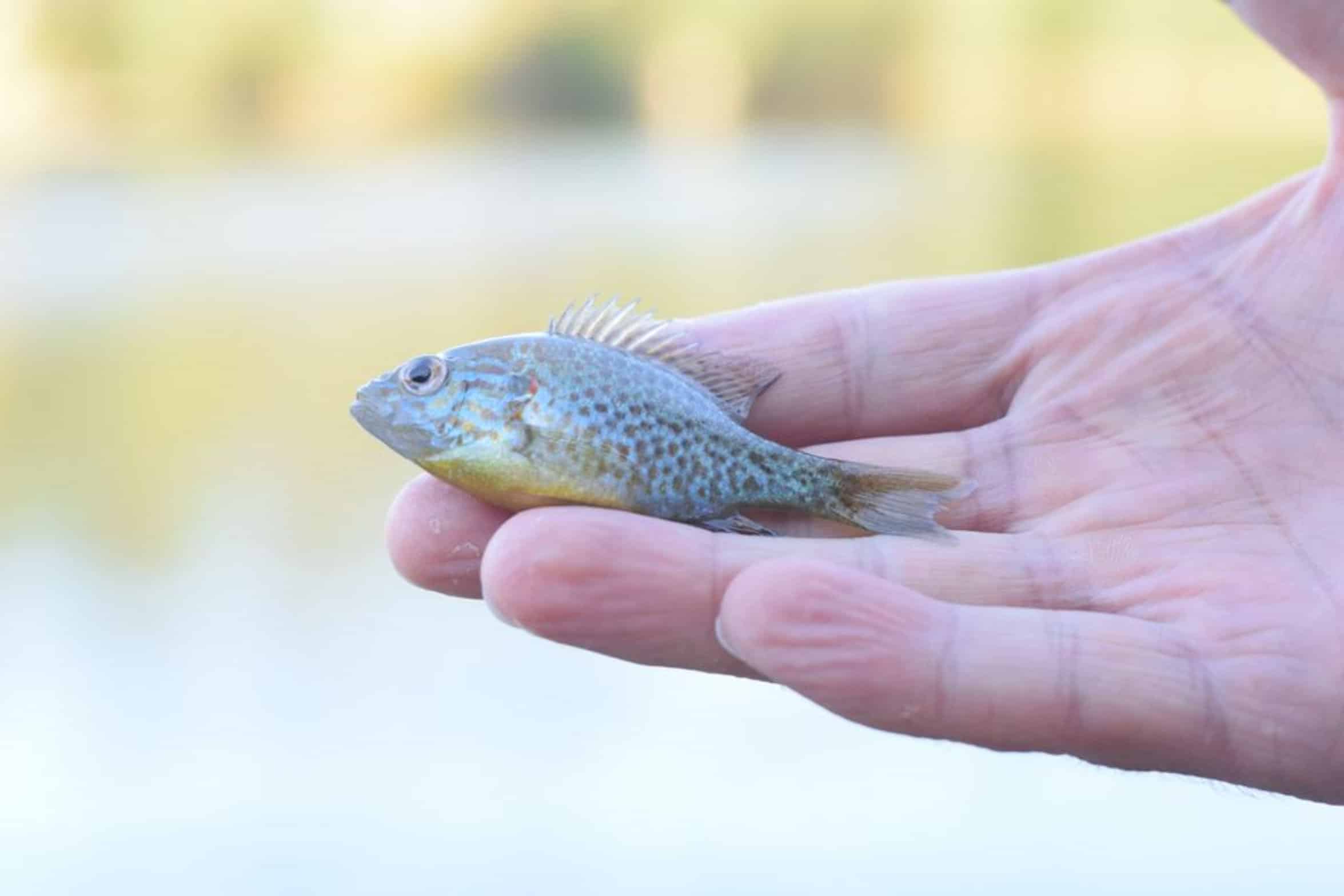
Triggering the thought that this is a defenseless bluegill. The color palette of a bluegill is distinct and highly visible underwater. Bluegills have a very distinctive color pattern that’s easy to see in the water.
They are typically brown or bronze in body color with darker vertical bars. The fins has a shimmer along the edges and can flash several colors including orange, green and blue. It’s a unique color scheme that when seen by a bass, tells him it’s an easy meal.
Matching Bluegill Color Patterns with Lures
That’s why mimicking those colors with your lures is so effective. They recognize it instanly and react. A generic white shad pattern may appear to be something they’ll eat, but a lure with blue and red flash skirts over a chartreuse body looks exactly like a bluegill.
The size is also very relevant but so is shape of this imitation. Generally speaking, bluegill don’t get too big. They rarely exceed a 10-inch length in most lakes and ponds.
Their bodies is thin with a very deep body profile, enabling them to dart into cover quickly. So your lure need to match that compact profile. A large crankbait meant for smallmouth bass in big rivers will look wrong to a largemouth chasing sunfish.
Lure Size and Shape Selection
Go with what fits the bill. A small spinnerbait or a compact jig much more closely resembles the silhouette of a bluegill compared too an oversized plastic worm. The last part of the equation is location.
Schooling fish like bluegill look for some kind of structure to hide behind, next to, or under. Whether it be on a rocky ledge or a patch of lily pads and fallen trees, they will tuck themselves back there. And the bass know that.
Targeting Structure and Location
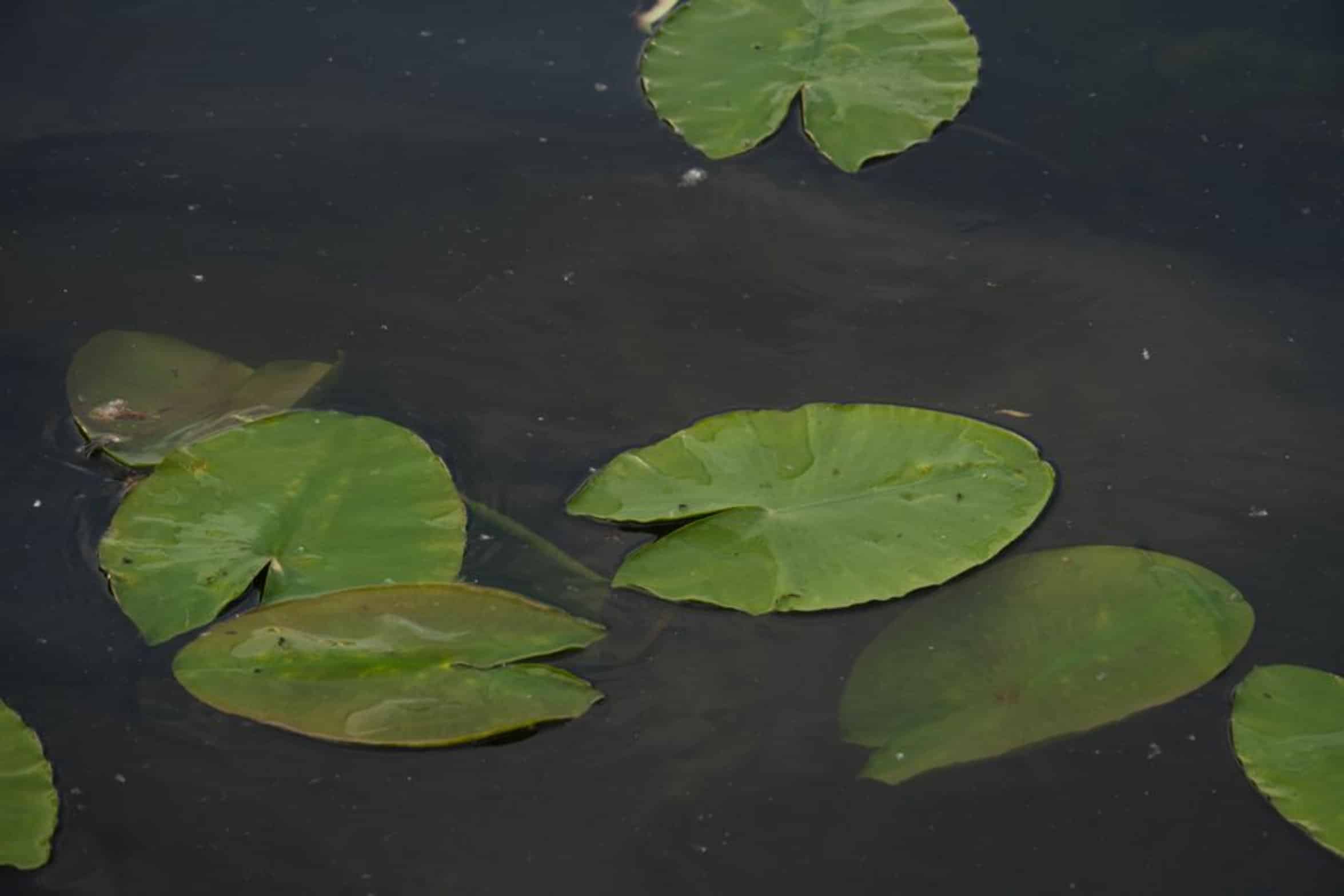
So what do they do? They lay in wait for those bluegill to poke their head out of hiding. When you hit one of these spots, you are fishing where predators and prey meet.
Don’t cast right into middle of a weed bed. You want to cast off of the edge. Chances are the bass is sitting right there outside of cover waiting for a bluegill to jump ship.
Slide your lure along that line. Remember, your retrieval should match the behavior of a fleeing sunfish to trigger the bass. Bluegills don’t make long, sustained runs.
They dart and stop suddenly, changing directions with no warning. When you’re fishing for bass that are keyed on this erratic action, they won’t always bite when you steadily reel the bait in. Rather than a steady retrieve, try a twitch-and-pause retrieve.
Retrieval Techniques and Water Clarity
Sharp hop your lure forward and allow it to drop. Repeat. The hop imitates the fish’s escape attempt while the pause lets the lure settle down like an injured or tiring bluegill.
It’s this variation that starts the hunting instinct. The presentation is influenced by both water clarity and weather. If it’s clear water, the bass are very visual and they know the difference between an exact replica of a bluegill and some generic piece of plastic.
It’s all about accurate color and slight movement. If it’s dirty water then flash and vibration take center stage. You want something like a spinnerbait that throws off just enough vibration for a bass out there to pick up on it from far away.
They might not be able to make it out as well in dirty water, but they’ll feel it pulsing away at them. Adapt to the water. There’s also a timing element.
Bass will feed on bluegill early in the mornings and late evenings. Low light levels embolden predators during these times. During these transition times, the bluegill are likely migrating to feeding areas too.
Timing Your Fishing Sessions
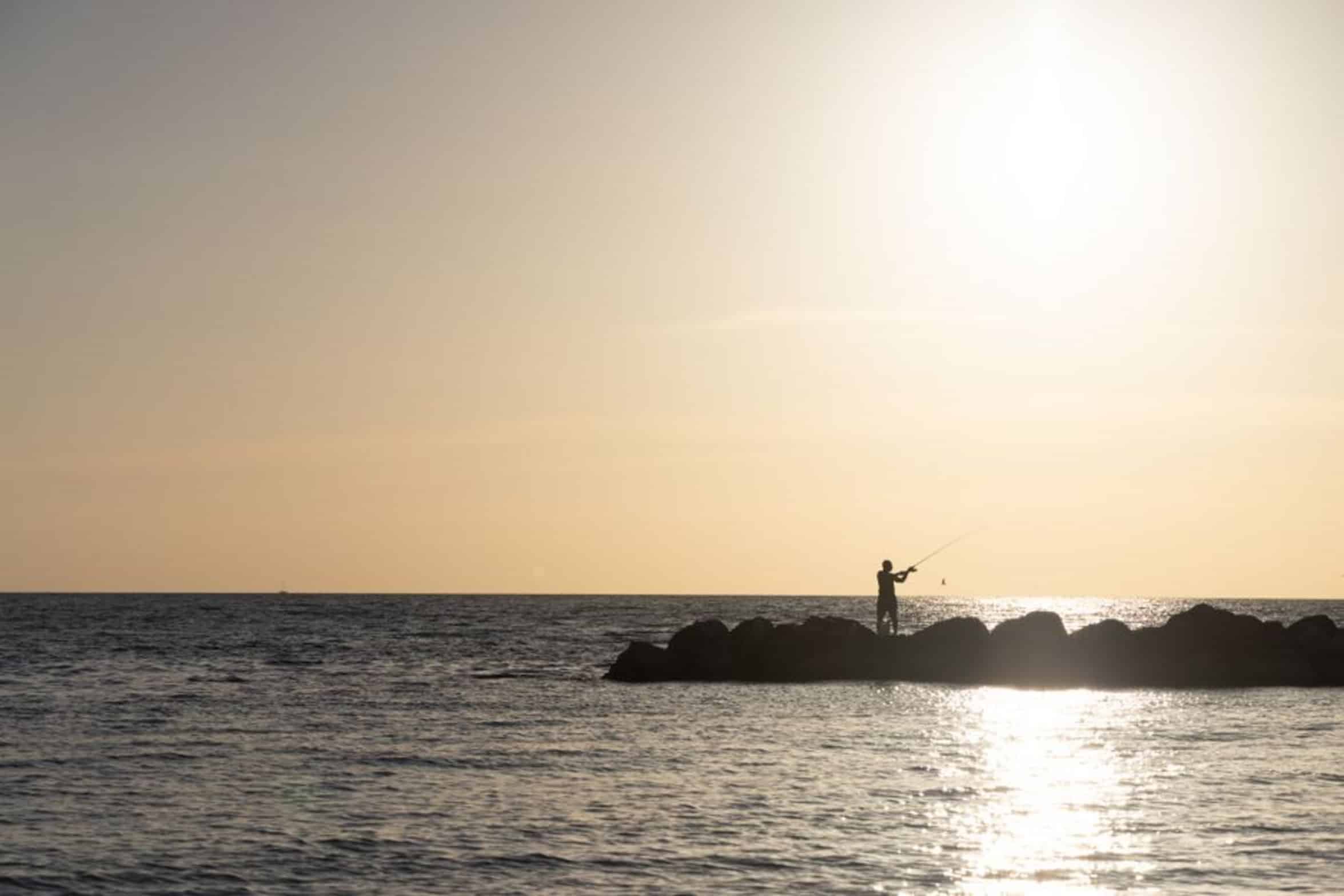
So they’re an easy target. When you can’t catch them during those two timeframes, concentrate on shallow flats where the sunfish lie up. Then the bass sneak into the shallows to attack them.
Following the daily lake pattern help you stay patient. The gear you choose should accommodate this type of fishing. It’s not necessary for any trolling rods to be beefy.
Instead, use a medium-light spinning rod that will have the sensitivity to feel those soft bites. Those bass smacking a tiny bluegill imitation might not hammer the hook. Instead, they’ll often suck it up and just hold on for a second and then take off.
Rod, Reel, and Line Gear Setup
A medium-light rod’s flexible tip bend to show these gentle bites. Use a high-speed reel, something like a seven-to-one or six-to-one, so you can cover water fast while still having the power to pull it free if necessary. Presentation and stealth, Line selection does matter Fluoro leaders excel in clear water situations.
They sink, are virtually invisible and maintain lure depth. Braid is super sensitive but is very visible. Adding a fluorocarbon leader reduces fish spooking if going with braid.
Keep it out of sight til the strike. The stealth gives them time to fully commit to the bite. This will result in more solid hooksets.
Finding Active Bass and Final Tips
Go try this stuff on your home lake or pond. Find some structure that bluegill are probably relating to. Look for signs of fish activity on the surface and also look for birds diving on them.
Then use the right lure and move it correctly. When you match your presentation to what the bass naturally eat, you’ll see how many more bites you get. There’s no magic to it.
It is just biology. In closing, it is all about connection. It is a connection to the fish, to the prey, and to the environment.
If you can match their presentation by mimicking the bluegill, then you are speaking the bass’s language. You’re telling them a familiar story with an ending that includes a meal for dinner. Make accurate casts, vary retrieves, pay close attention.
Get the story right and the bass will follow suit.