Because you’re just twitching your rod tip with a jig, when that crappie bites, you’ll often miss the bite. Because you can’t feel them biting, most people will either yank the hook out or they’ll pull back thinking they missed. And it’s not you, it’s your equipment.
A heavy crappie fishing rod isn’t designed for small details, it swallows them up. To be consistant at catching crappie, you have to take weight off. You want ultralight gear.
Mastering Ultralight Crappie Fishing Gear
Why Ultralight Gear Matters for Crappie
But this change in equipment is also a realistic answer to a biological fact: Crappie are finicky and has soft lips and small mouths.
They’re reluctant to investigate any lure, and a heavy rod will cause the bait to be snapped off by a spring-like reaction. An ultralight rod become an extension of your finger. It allow the fish to eat.
This change the encounter into more of a guided experience then a battle. Where many people get confused is in the rods’ action. They assume they should of had a stiff rod to crank down on them when setting the hook, and most of the time, crappie fishing isn’t going to be about brute strength.
It’s more about being able to feel what’s happening and setting your hook at the exact right moment. Feeling that tiny change in tension tell you whether to set the hook or miss the fish altogether. Combine that sensitivity with the right materials, and you’ll have a rod that help you feel what is happening in the water too.
Graphite vs Fiberglass Rod Material
This is where graphite outperforms fiberglass due to its ability to transmit vibration more effectively. When you’re hanging a micro-jig underneath a slip bobber, you want to be able to feel the bait in current. And when a crappie noses on it, you want to feel it with a single tap.
Graphite feels electric and doesn’t dampen those signals like fiberglass do. It pick up what the water is doing and tells your hand about it. That immediate connection let you adjust your presentation instantly.
Choosing the Right Rod Length
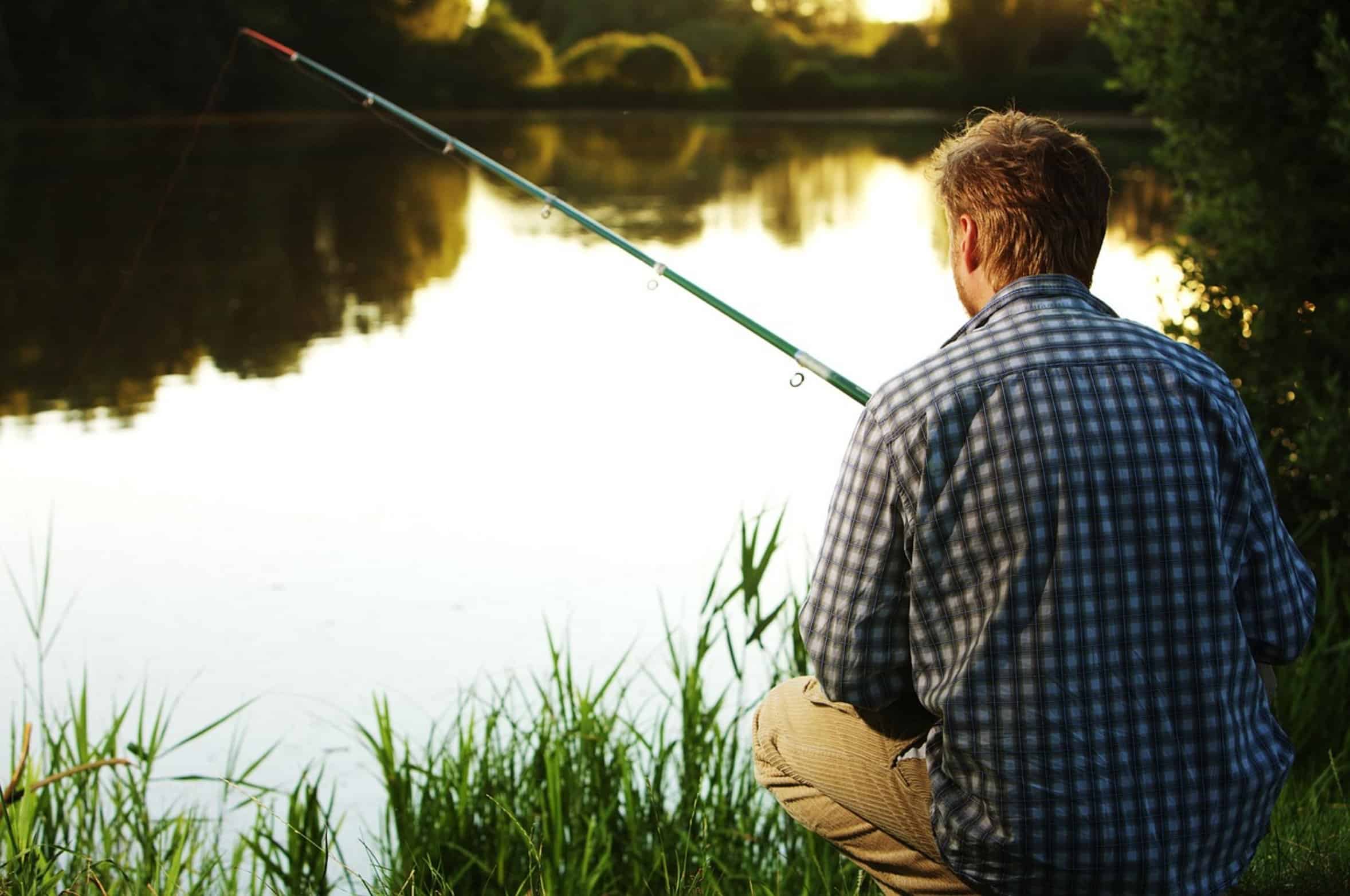
Rod length make a difference, even if you think it doesn’t. If you’re working tight banks or docks you want a shorter rod (6ft and under). A shorter rod give you more control when you need it in close quarters.
If you’re fishing out over open water casting from a boat a longer rod is what you want (7ft +) because they will get your line off the water further and cast further too. There’s no right or wrong here, it just depends on where you’ll be fishing. Companies like Ugly Stik and Shimano has had this market cornered, but there are some new ones making waves.
Top Crappie Rod Recommendations
For those just starting out or wanting a bit more from their rod, the Shimano Crucial series have proven to be very sensitive while also holding up well. It’s durable and affordable. Then you look at the high-end rods from companies like Lew’s and the sensitivity is off-the-charts, where you feel a breeze blowing on it.
Of course that’s going to cost you, but the difference isn’t as wide, and you certainly don’t have to go top dollar with every single rod. Get what you need based off how you fish. And lastly, think about the line size; heavy line on an ultralight rod won’t work.
Matching Line Size to Rod Power
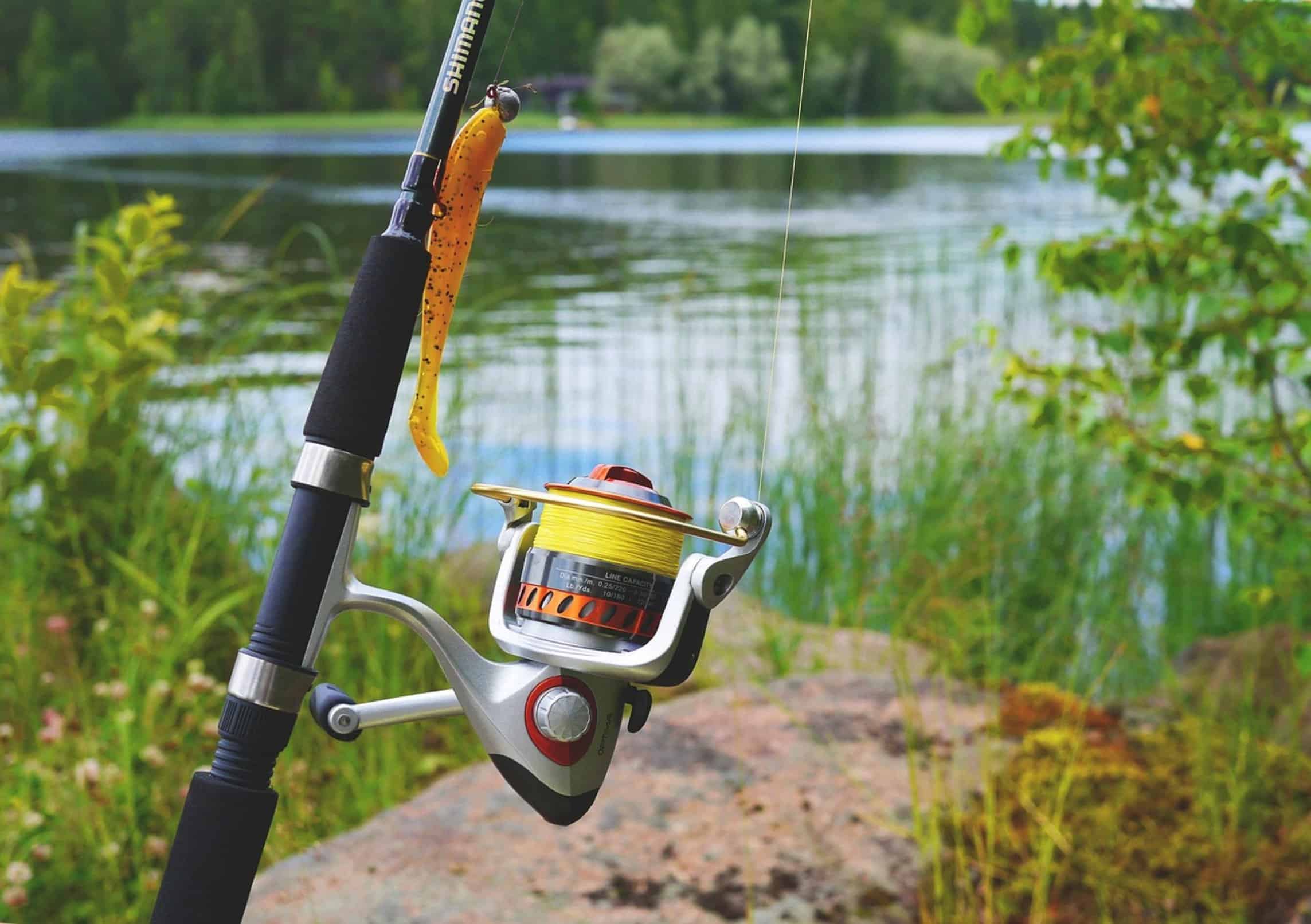
The line diameter need to be matched to the rod’s power. A good sweet spot for this is four-pound test line that are light enough to allow the rod to do its thing while still being strong enough to land a trophy crappie. Using heavier line will stiffen up the tip and kill the sensitivity, which defeats the whole point of using an ultralight setup.
Keep the rod sensitive and keep the line light, and let the fish tell you they’re there.