When you’re standing on the bank trying to catch a fish underneath a dock with a big ol’ spinning rod in your hand, it usualy fails. You can’t feel anything, the bait falls into a hole and you end up getting all tangled up in the dock and the line. This is where the jig pole shines.
This is what it was made for. And no, this isn’t some old piece of fishing history. It’s a precision tool used to do things a casting rod can’t does.
The jig pole is something many angler consider old-timey curiosities. The long, rigid pole, they think, must be reserved for children or casual weekend fishermen. They don’t understand how or why the jig pole work.
And its advantage has nothing to do with nostalgia. It’s all about direct connection and physics. If there’s ever a time when you want to put your bait right where a fish is sitting, the jig pole provide a solution that few casting rods can come close to matching.
Advantages of Jig Poles Over Casting Rods
Precision Placement in Tight Cover
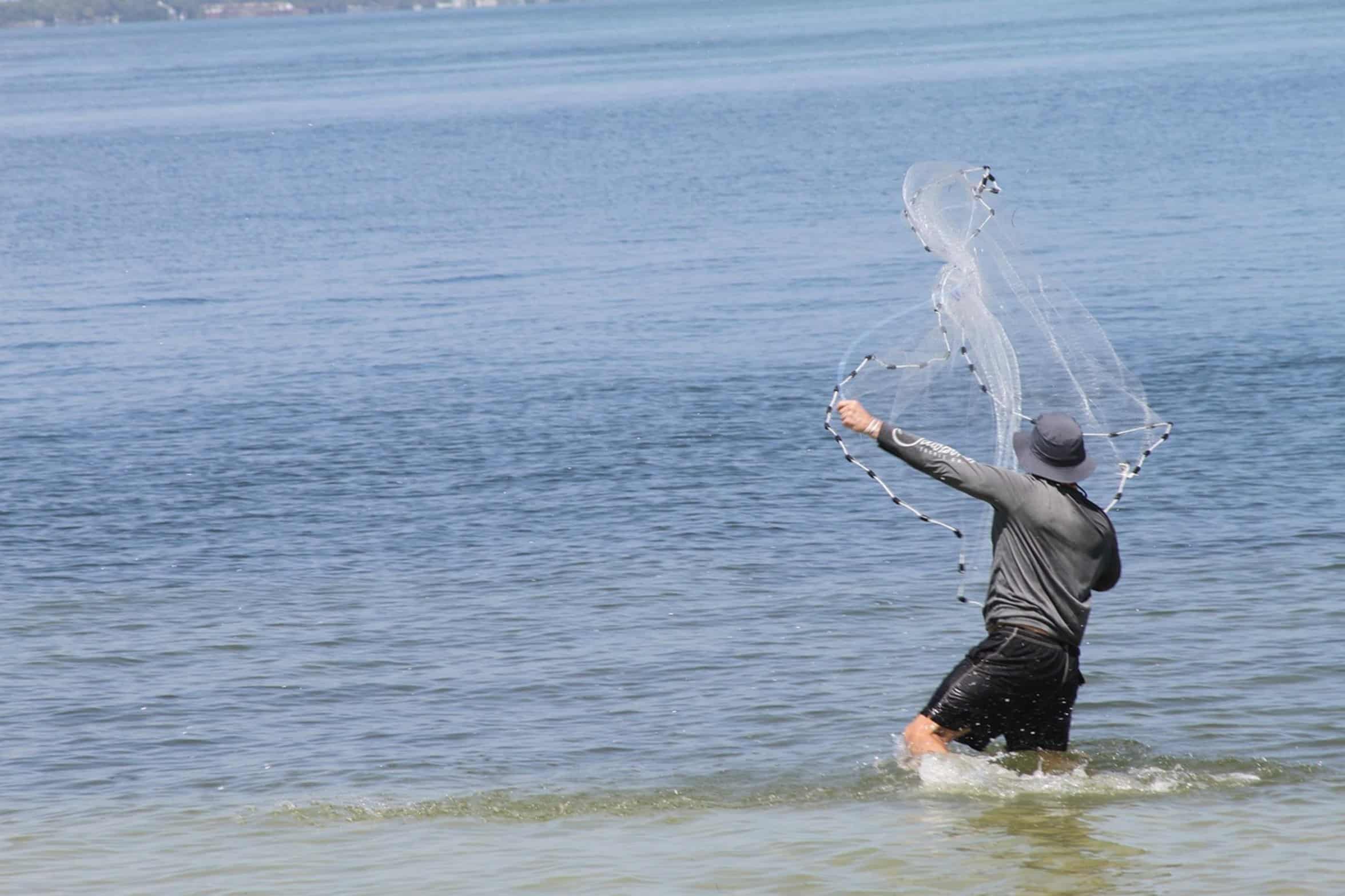
First and foremost is placement. With a casting rod, it’s about throwing the bait. It’s about trying to get it close enough to the target while taking into account wind, distance and your own skill level.
With a jig pole, there is no cast at all. There is only walking the bait to where you want it. You can place the bait an inch from a boat hull, an inch from a log or an inch from a rock.
By doing so you can place your bait with precision and fish heavy cover without getting snagged. Every time, that bait come down exactly where you want it to. It makes you feel the bite different.
Sensing the Bite Through Direct Connection
With a spinning rod, the line has tension from the spool, runs through the guides and then it’s in your hand. You lose much of that fine detail. With a jig pole, every nibble is transmitted direct to your fingertips.
You can feel the fish pick at the bait. Feel when they’re checking out your offering. When you make a hookset, you can feel it all.
Because of this sensitivity, you catch fish that won’t even look at a bait offered by a rod. They know. Another advantage of the pole are speed.
Speed Advantage in Tournament Fishing
Seconds is important in tournament situations and even high pressure fishing. With a pole, you lift the fish straight up instead of having to manage line and drag. With a pole you simply pick the fish up and bring them right up.
No line to reel in. No drag settings to change. It’s all about getting the fish into the net quicker.
It all adds up throughout the course of a day. More time catching and less time on the mechanics. But it’s basically one-to-one gear ratio.
Natural Presentation of Live Bait
As you pull up on the pole, the bait come up just as fast. And you can give it very slight twitches which imitates live bait. You can’t do it as well with a reel; it is almost like a presentation you can’t do without this.
So it just looks naturaly to the fish. He hits it. You set the hook.
It’s simple. That’s where the strength of it lie. There is a trade-off with range.
Choosing the Right Tool for Shore Access
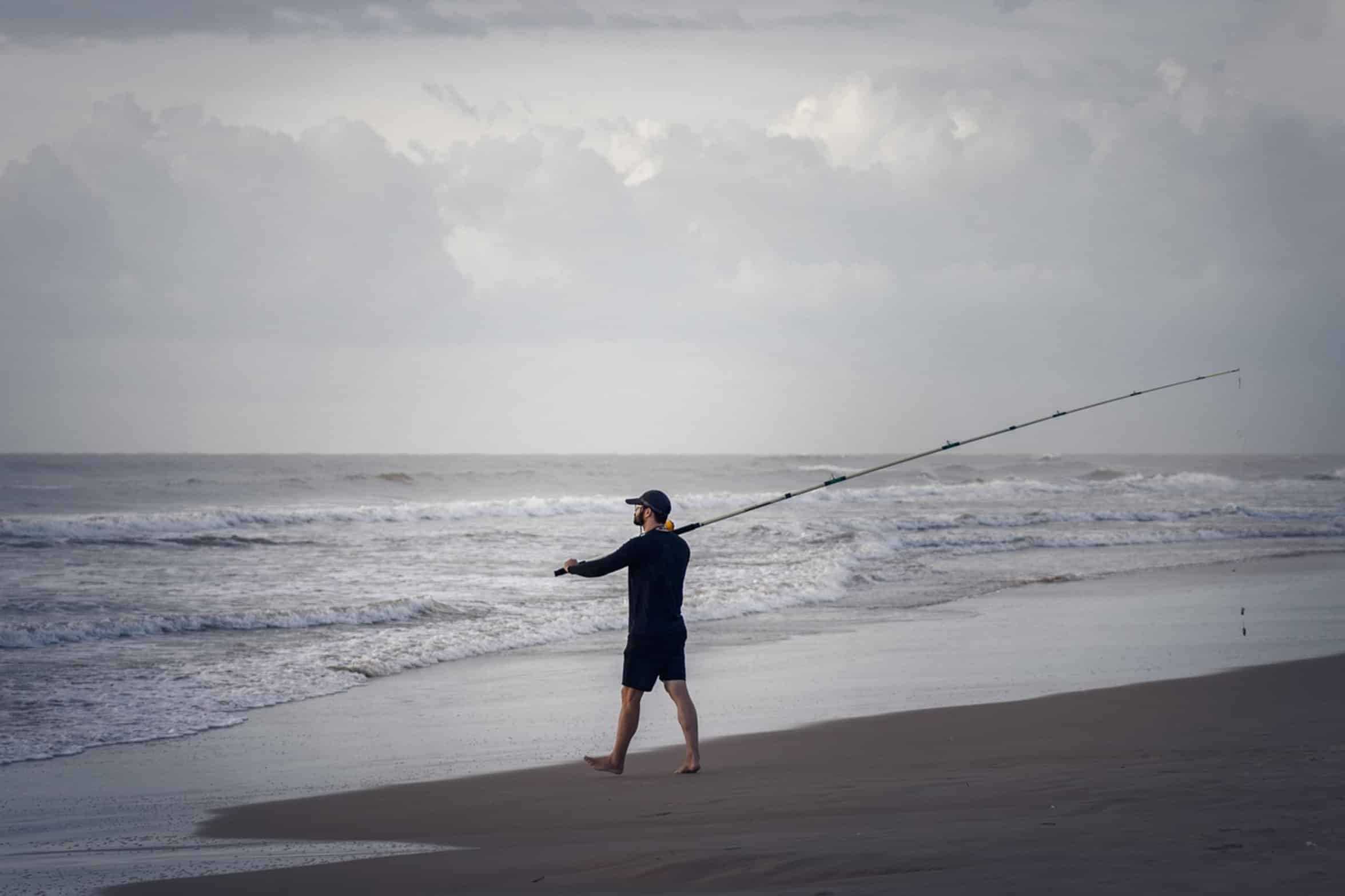
A jig pole isn’t going to allow you to fish all over a large body of water. But if it’s shallow structure or shore access, that’s what you have. And there, you own ’em.
They become easy fish in spots where they were tough to catch with other tools. Wary fish becomes hooked fish with the pole. Again, this isn’t “which is the best”.
It’s which is the right one for the moment? The jig pole is a winner for tight cover. It puts the bait right there.
It feels the slightest of bites. Lands fish fast. Keep that casting rod out on the open water.
Use the pole for the exact stuff. In the process you’ll put more fish in the boat.