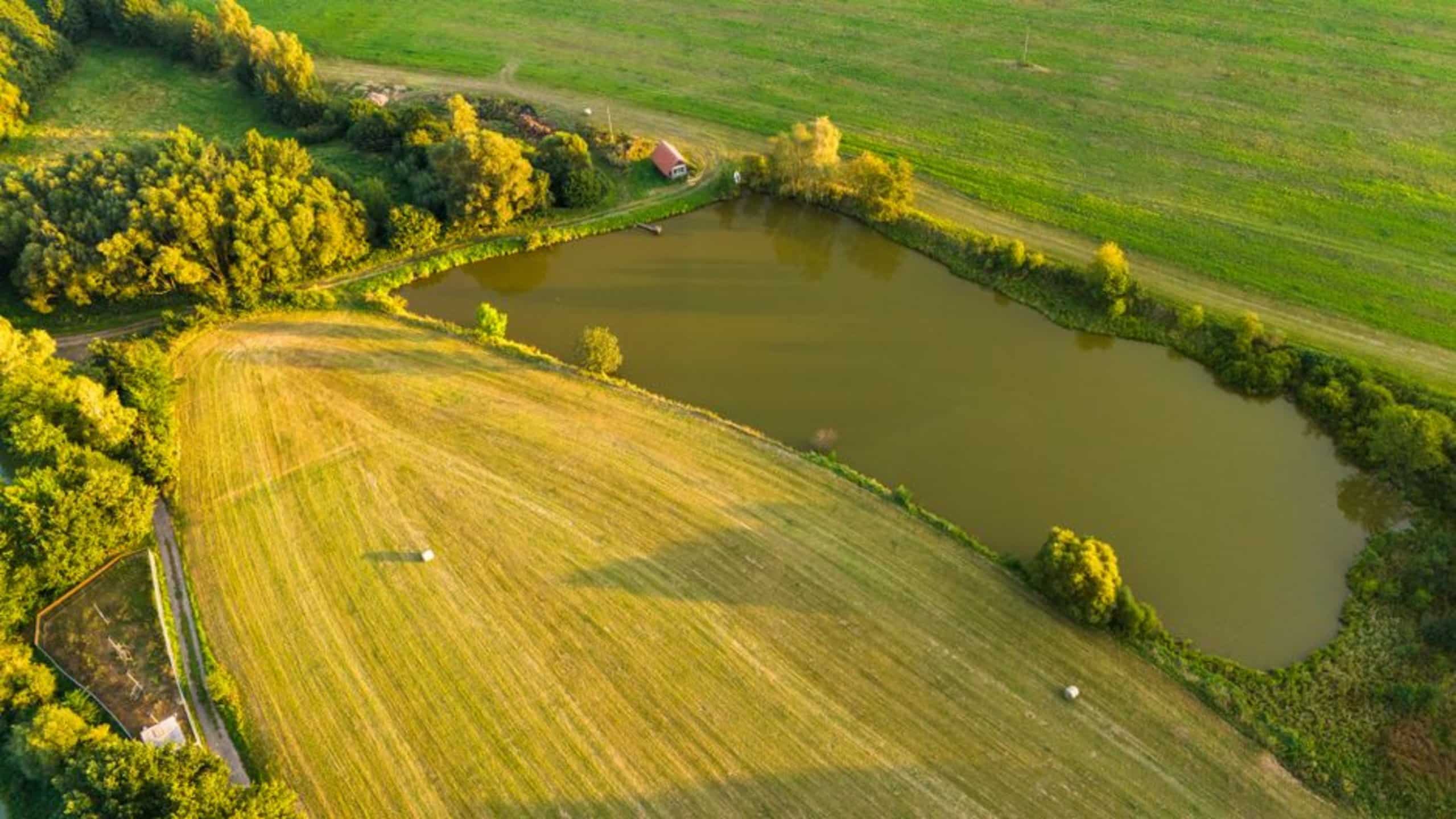
Most farm ponds begins with best of intentions, such as digging one to supply water for livestock or to cool your home. Most pond owners envision a healthy population of bass with crystal clear water. Nature have different ideas.
Small colorful sunfish can creeps into the environment of most ponds and subtly change things. Knowing how they fit in helps set realistic expectations. Sunfish are opportunists; they must constantly fuel their bodies.
How Sunfish Affect Farm Pond Ecology
The Sunfish Problem in Farm Ponds
This drive the water color and limits larger predatory fish. Have you noticed your pond gets murky? Or maybe your bass appear to be stunted?
Chances is there’s more than meets the eye. Look at a school of pumpkinseeds or bluegills floating near the surface; that might explain it.
How Sunfish Cloud Your Water
Sunfish also stir up sediment Because sunfish are bottom feeders, they churn up sediment and mud in search off algae and insects.
As they do this, they suspends finer particles in water column. Eventually, the water becomes more cloudy, blocking out sunlight and making it difficult for aquatic plant to survive. Aquatic plants serves an important purpose, they hold the bottom in place and when they’re gone, the process get worse even further.
Competition for Food and Stunted Bass
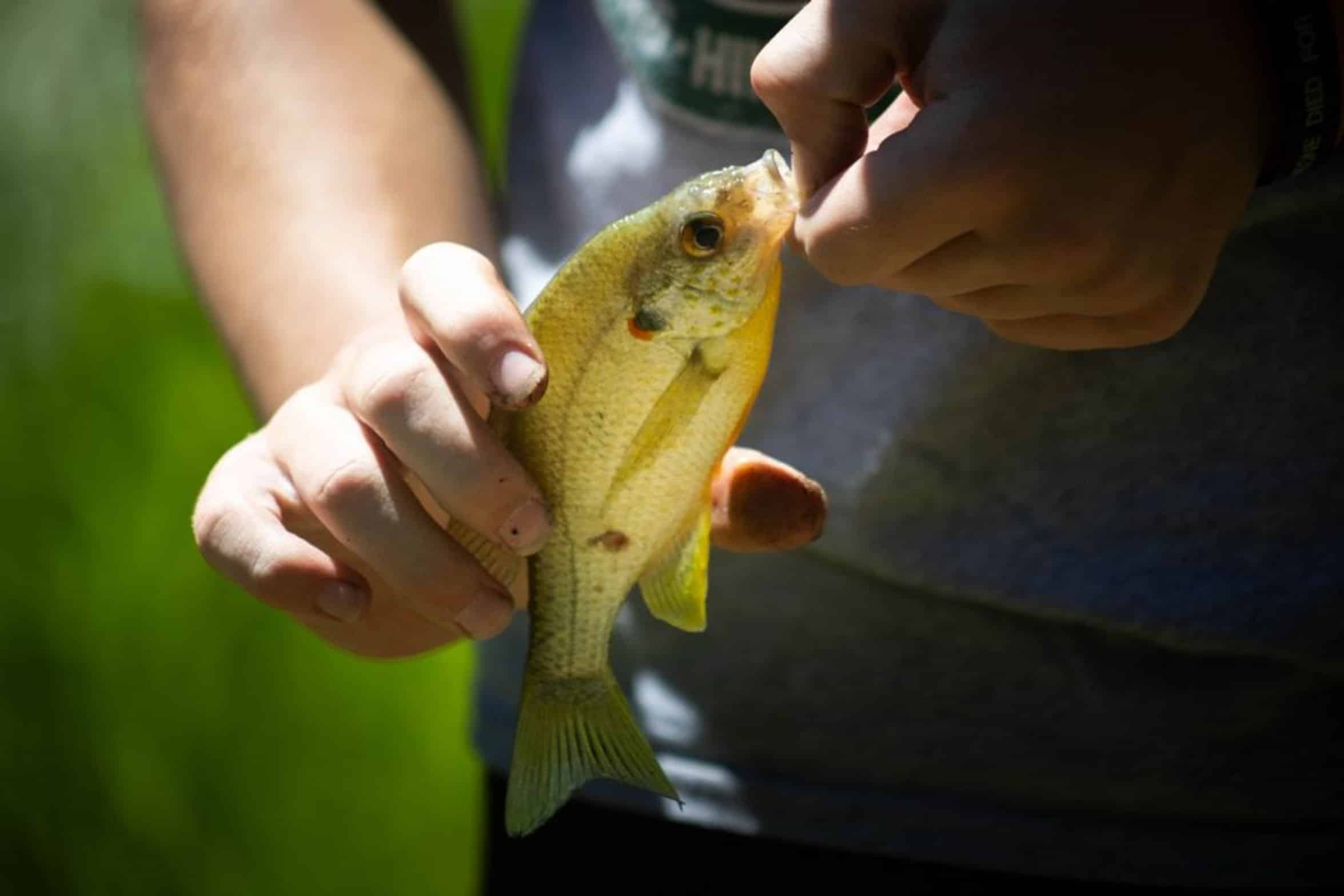
It’s also important to consider that while bigger fish like bass feeds on smaller organisms when young, sunfish eat them too. Sunfish breed rapidly, females lays tens of thousands of eggs alone, and they has a tendency to overpopulate. Population booms leads to lots of food consumption (insects and zooplankton).
If there are many sunfish, the young of larger species won’t be able to compete with them; instead, the smaller ones usually wins because there is so many of them. If you’re looking at your bass and wondering why they don’t grow into trophy size, it could of been related to competition for food. When a pond has sunfish dominating it, the bass ends up expending their energy chasing small morsels instead of growing efficienty.
This will result in something called stunting, not enough food supply to support rapid growth. Instead of creating a pond full of big ones, it creates a nursery full of little ones. Not only is that frustrating from an angler’s perspective, but it also lead to fewer opportunities for bigger fish to reach maturity.
Sunfish Role in the Ecosystem
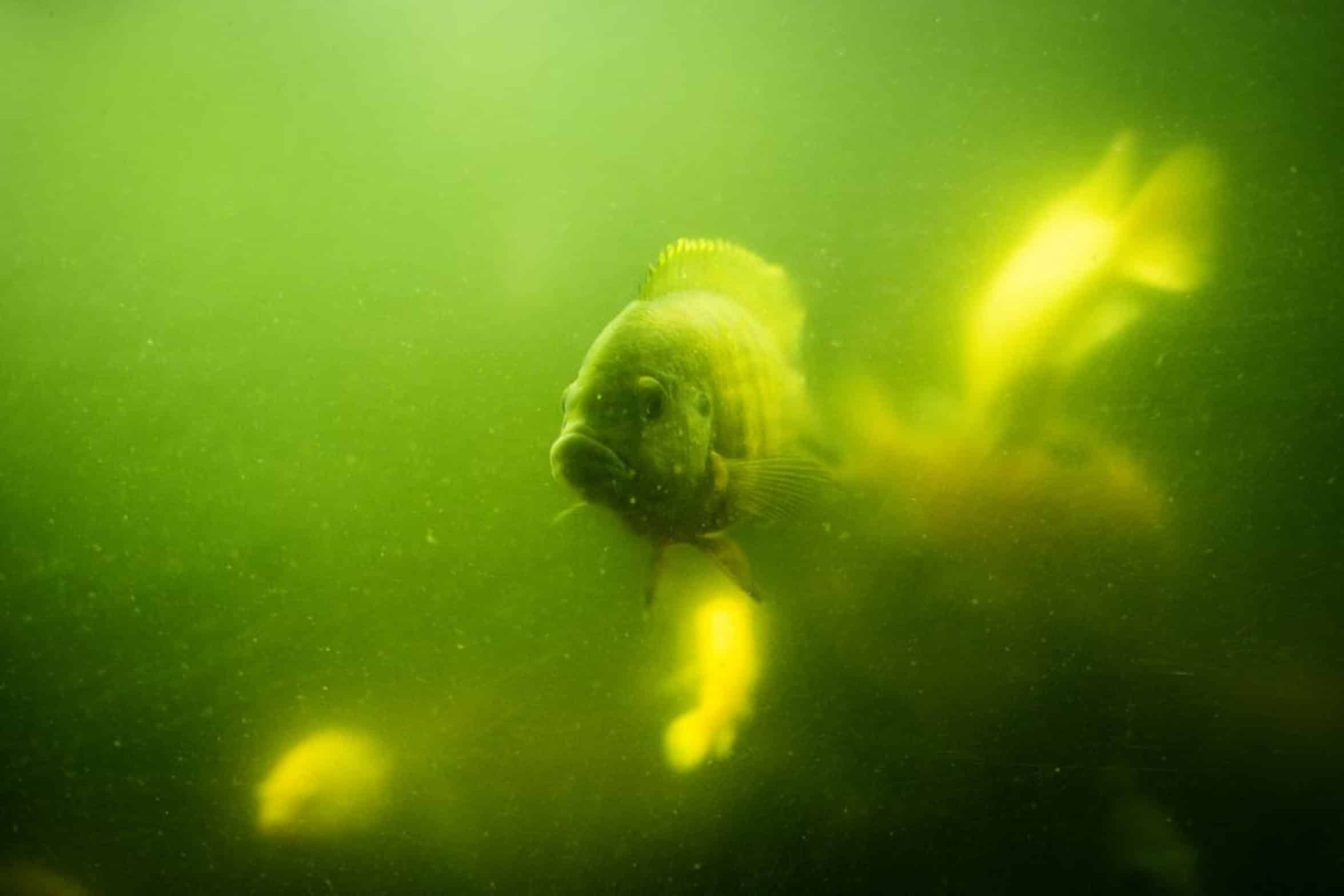
Sunfish do, however, play a critical role as a food source for larger fish. Bluegill make excellent meals for a hungry bass. The problem isn’t that there aren’t enough of them; it’s that they are too crowded.
There should of been enough sunfish for predators (bass) to maintain some control over them, while still having plenty left for the next generation. Too many predator and all those young sunfish gets eaten, causing the food chain to crash.
Algae Blooms and Oxygen Levels
Sunfish activity is also connected to algae blooms.
Bottom disturbance stirs up phosphorous and other nutrients. This fuels algae (and duckweed) growth and creates surface scums that rob oxygen from the water. In hot weather in particular, low oxygen can kills or stress out bigger fish.
While the sunfish don’t cause the algae itself, they do provides the fertilizer through their activity.
Managing Sunfish Population Balance
To manage this dynamic, it take a “big picture” approach. Aeration systems can plays a role by circulating oxygen.
Actual population ratios can be determined with regular fish surveys, and occasionally, a careful bass cull is necessary to re-set the balance. We don’t want to eliminate sunfish, they’re a key part of your pond’s ecosystem. But we don’t want them to become the dominant species that smothers everything else.
You don’t want your pond to be a one-species pond of little fish; you want it to be a livig community. Sunfish is a significant force in any farm pond. If unmanaged, their presence can spell trouble for the overall health of your pond.
However, when managed correcty, sunfish can be a vital part of the food web and contribute significantly to the productivity of your pond. So test your water, monitor the warning signs and adjust accordingly. After all, a healthy fishery starts with understanding sunfish.