If you’re not looking in the right place, you’ll be spending most of your morning staring into an empty pot of water. Bluegill are quite deceptive; they has a natural ability to stay off the radar until it’s too late. They’re in the spot, and it looks perfect, but you make your cast and…nothing.
It’s bad luck, right? Wrong. Most of the time, it’s poor strategy.
They are there, and they’re simply hiding from you. Knowing where they decide to hide make all the difference. It transforms what was supposed to be a frustrating afternoon into a productive one.
Where To Find Hiding Big Bluegill
Why Bluegill Hide From Anglers
What I mean by that is it’s not always deepest hole or the biggest patch of weeds. It’s more about understanding what else is happening around you. Because they have such a strong survival instinct, bluegill are ambush predators.
This means they’re constantly balancing their need to feed with ever-present threat of being snatched up by bigger sunfish, pike, or even a bass. Knowing where bluegill go to hide comes down to the structure they has access to, the water temperature and time of year. Learn how to think like a bluegill and you’ll quit guessing and start catching.
Targeting Vertical Structure
First look for structure, because not all sticks will do. Vertical structure rising up out of the water is what bluegill likes. An old dock’s pilings, submerged brush piles or fallen trees can work.
This gives the gills something vertical that protects them from predators coming at them from the sides. It also concentrates insects and other baitfish bringing the food right to their door. The fish will sit just off of the structure and when one slides by, they dart in and grab it and then retreat back to safety.
Just cast beyond the wood. Not right on top of it. That is what makes the difference between getting a nibble and a hookset.
Fishing Heavy Vegetation
The next big thing is vegetation. But again, make sure you specify what kind. Bluegill love thick cover without it having to be an absolute mess.
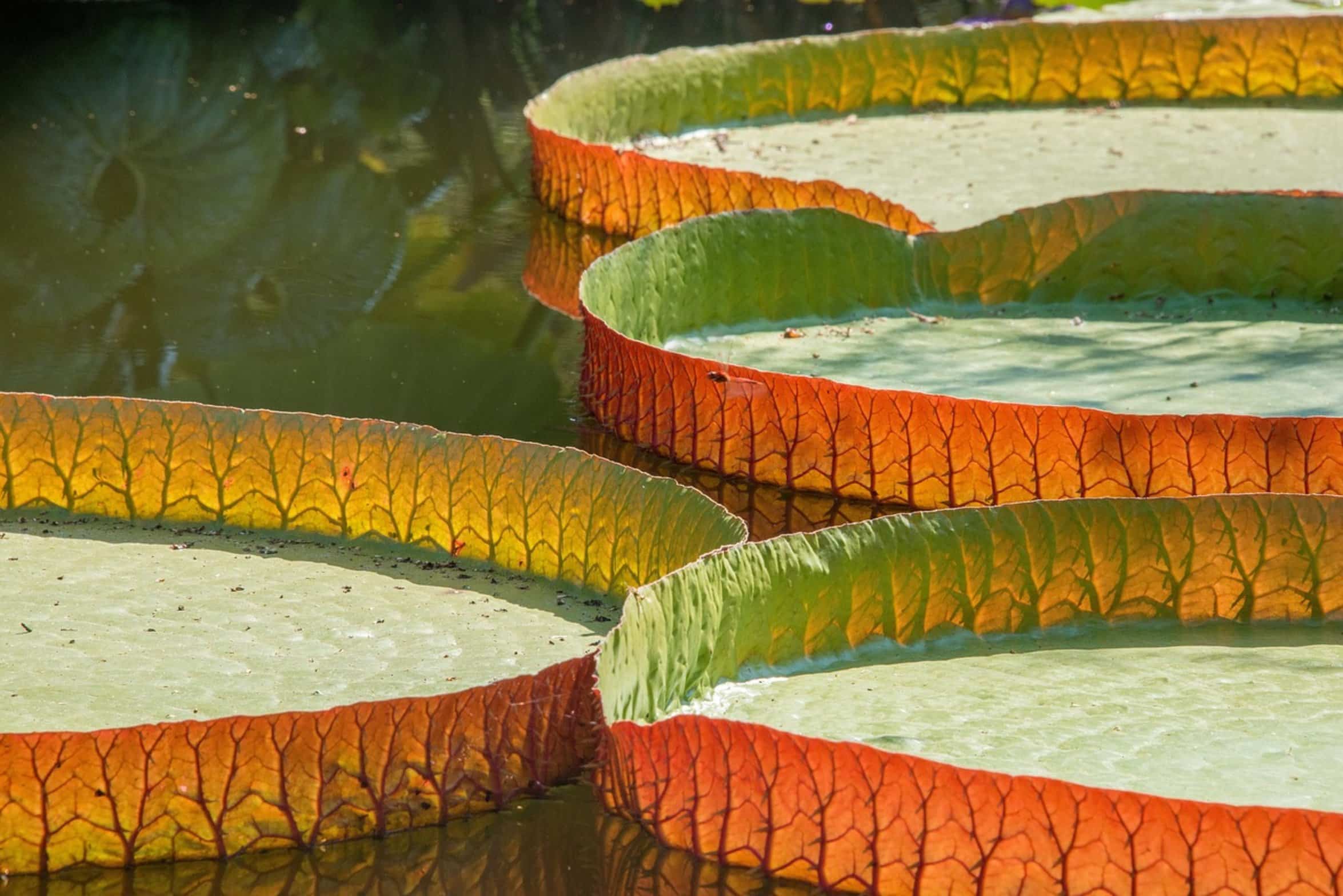
Milfoil and coontail are two of their favorites. They hold up close together for tight cover yet don’t seem to impede movement too much. They’ll also get underneath a canopy of floating vegetation such as water hyacinth or lily pads.
Not only does this give them shade which keeps them cool in the summer months, but it also conceals them from aerial threats like osprey or herons. When you’re looking at a mat of floating leaves, look to the edges. That’s where the fish will gather because there is more oxygen and filtered light.
Don’t try to throw your bait in the middle of the mat. Work the edges. It is just a little tweak, but it make all the difference.
Adapting to Water Clarity
Believe it or not one of the keys to locating where the big bluegill decide to set up shop has everything to do with the clarity of the water. When the water is crystal clear, they’ll get down deep and hug heavy cover. They’re timid critters, so they don’t like being seen.
But when the water is murky or stained, they gets confident enough to venture out into shallow waters. That’s what happens at times when you have a lot more fish on an overcast day or if it rains and churns up the dirt. They know they can’t see much, so they get bold and come feed in the open.
If the lake is clear, focus around the thick weeds and deep structure. If it’s muddy, expand your search area and make a few casts to the flats. Remember, adapting to the water conditions are as important as finding the right location.
Tracking Temperature and Depth
You also want to consider the depth based off the temperature. Bluegill are a warm water fish but there’s only so deep they’ll go. On an ultra-hot summer day they’re going to get off that bank around mid-day and pull up deeper.
Maybe they’re suspending down around eight or ten feet until the sun gets down a little bit. Then when it’s cooler out in the mornings and evenings they comes back shallow to eat. Fall and spring they tend to be up shallow all day.
If you can check the temperature, it’ll give you an idea about what layer of water is warm enough for them to be comfortabley. This makes it easier to chase the temperature zone rather than individual fish.
Managing Light and Shadows
Another factor that affects their behavior, although I don’t think we give it much thought as anglers, is the light.
Shadows formed by direct sunlight really affect bluegill. Bluegill will actualy sit where they can face away from the light. The dark bottom or weeds camouflage them.
Think about when you’re fishing out of a boat. Your shadow could be spooking them without you ever realizing it. Make an effort to sneak in from the side, keeping your silhouette out of their direct line of sight.
Polarized sunglasses not only help you see them, but also helps you visualize what they’re seeing. Half the battle is respecting their point of view. Patience and looking around is what it takes to find the big gills.
Spotting Feeding Fish
You have to slow down and take the time to look for what gives them away. Their dark shadows under the lily pads, ripples in the weeds, or a sudden disturbance on the surface will often give them away. And when you see them, change your presentation.
Go small, go soft, and be prepared to respond quickly. They’re out there, and the big ones is a little more wary. But they aren’t invisible.
They simply wait until you make a wrong move. So relax, pay attention to the surroundings, and let it speak to you. Where do I need to go?
Those fish are always there. You just have to know how to look for them.