Much like most people, I’ve always believed that fly fishing are complicated and requires all fancy gadgets and complex mechanics to be successful. On television, you see these guy making cast after cast with precise loops cutting through air, and you figure the fish must notice. That’s when bluegill fishing blows the fantasy out of the water.
The loop is not important to a panfish. They don’t care about your loop efficiency. They care about food appearing near them.
Why Bluegill Makes Fly Fishing Simple
Why Bluegill Fishing Simplifies Fly Casting
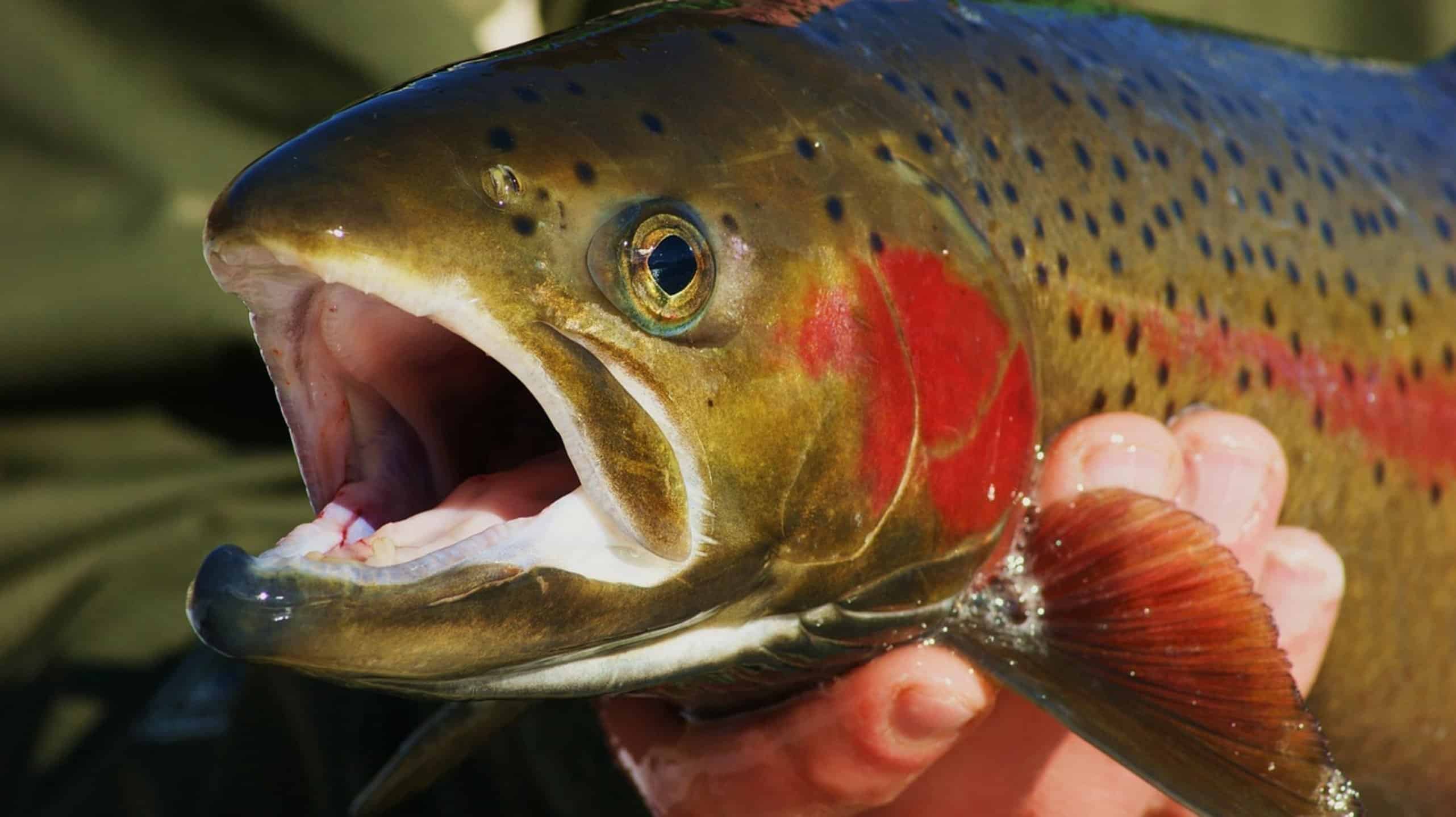
Targeting bluegill with a fly rod is almost a stripped down version off fly fishing. There’s no depth, there’s no current to combat, there’s just you and your fishing. It is not intimidating, but there is still plenty of fulfillment in the catch.
It also makes fly fishing more accessible. Lots of folks gives up on casting and leave the sport when they begin pursuing trout in rushing waters. Bluegill offers a gentle place where the consequences aren’t as severe.
If you make a poor cast, your offering gets tangled in the reeds; but if you keep it close enough, the bluegill will likely have a look. It’s confidence-building fun on an easy-going afternoon. The learning curve levels out a lot with stakes low.
Choosing the Right Rod Weight
First, the simplicity come with gear setup. For instance, punching into the wind doesn’t require a seven-weight rod. Bluegill can only handles dainty presentations and a five or six-weight outfit will be more than enough.
In fact, a lighter outfit could prove superior as you make short, soft casts. That minimizes the physical force needed to deliver an accurate cast. It’s a matter of leading rather then fighting the line.
Your rod transforms into an extension of your hand. That change how you think about throwing and holding the rod. The true simplifications comes with presentation.
Presentation Techniques for Panfish
For trout, you must have a particular drift and depth control. Bluegill just sits there waiting for something to swim by. Whether it’s a submerged log, dock or a piece of cover along the bank, bluegill will hold above it.
There’s no need to master the skill of mendin’ and maintaining a fly in the target zone. Simply casting directly to ’em and then lightly retrieving is usualy all that is necessary. That takes the hassle out of managing your line.
It allows you to concentrate solely on seeing the strike and responding when it happens. The visual cue are instantaneous and unmistakable. Options is straightforward when it comes to fly selection.
Selecting Effective Flies
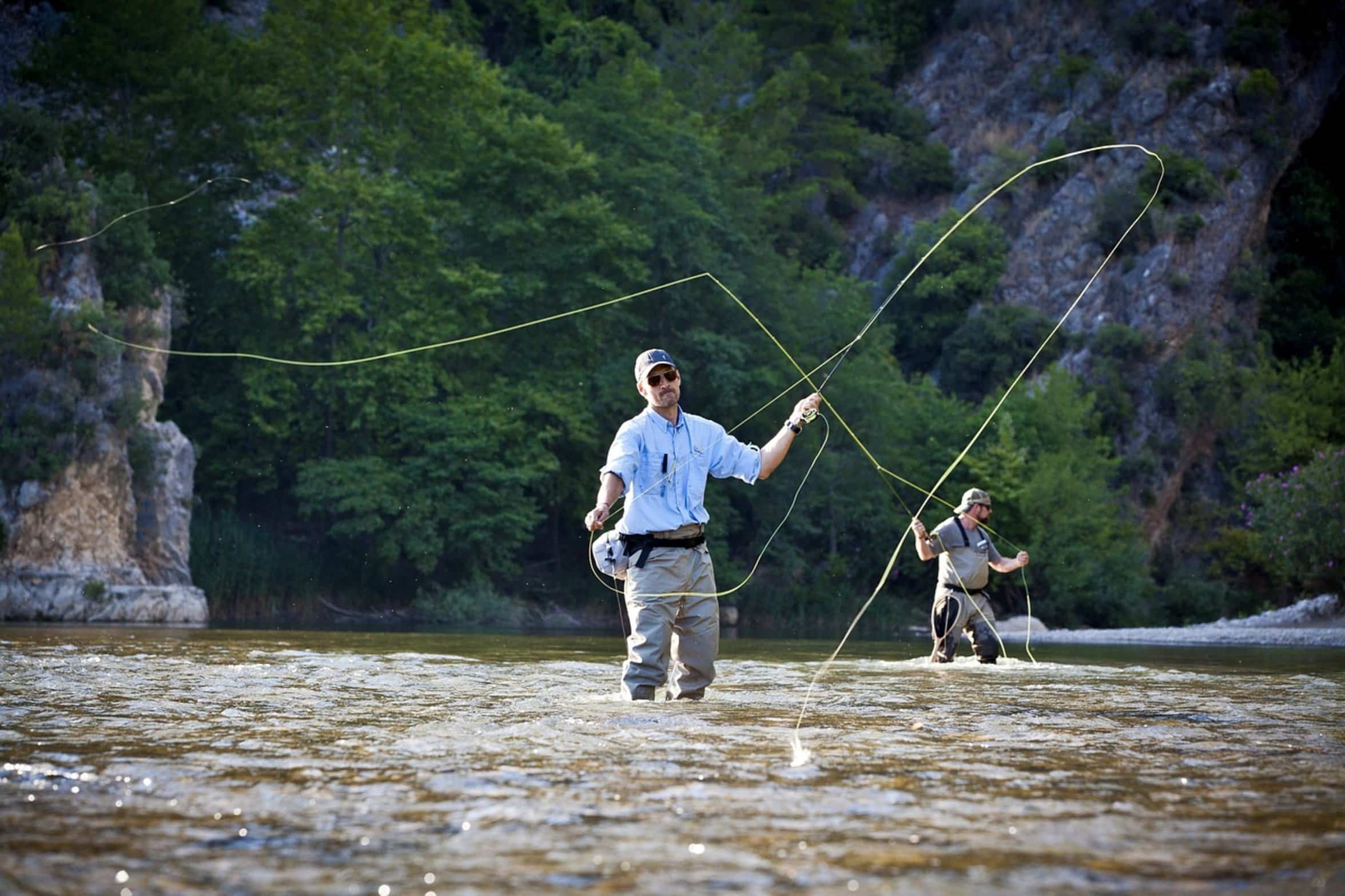
Simple nymphs, wet flies and small poppers is effective options. Bluegill has a diverse diet and they are opportunistic eaters. Almost any small crustacean or insect-like presentation will get you a strike.
There is no need to match your hatch like in trout fishing. Black and red patterns makes up most situations. This is refreshing because it keeps the tackle box simple.
You spend less time studying the insect life cycle and water temperature. You would of had more time to fish. It’s much easier on the retrieval side as well.
Mastering Retrieval and Engagement
Often with trout you’re just letting it flow with current. With bluegill, you’re often giving some action to the fly. They’ll aggressively attack a steady retrieve or a twitch-and-pause style retrieve.
In other words, it’s active engagement that seems more like a bass fishery. You have something to do while you wait for them to bite. The line tightens, the rod tip starts moving and you get a more direct connection to fish.
That physical feeling reinforce what you are learning. Cause and effect becomes immediate. Another benefit that you may not realize about this method is that what you will learn transfer well to other species.
Building Skills for Tougher Fisheries
If you can start to make consistent casts with a tiny fly and pick it off the surface, you’ve got the basics down. Trout and steelhead just makes it harder; they don’t teach you anything new. Again, presentation of the fly is learned here.
Now all you have to do is learn to present your fly differently. Fishing bluegills develop confidence and muscle memory which translate into tougher fisheries. It is a good place to get better while being able to fail safely.
There’s no pressure to get it right when you’re fishing for bluegill. It lets you fish a rhythmic cast and retrieve. There’s nothing to worry about a slight take down in the depths.
That’s part of the beauty. It was design to be simple and works well. Sometimes we need to remember that fly fishing isn’t all about an exotic catch.
We need to reconnect with our surroundings as anglers. And what better way to do that than with the tiniest fly in the shallowest water? That’s the point; the simplicity of the experience is no compromise.
Actually, bluegill fishing makes it naturaly easy. The moddern angler can find joy in simple things and should of tried it sooner. One shouldn’t be afraid of a luxurius setup when you just want to fish comfortabely.