Sooner or later it will happen: An angler around you is catching crappie on every other cast, while yours goes dead. You reel yours in, check your line, reset your hook and cast again. Nothing happens, except for his bobber floating still while other anglers’ bobs ripple from fish bites.
There’s something in the water, but no strike. It has more to do with visibility and pressure sensitivity then just having a hook underwater. A lot is hardware related.
When it comes to line. Anglers think of bobbers as just a simple means to find depth. A fixed bobber keeps your bait off the bottom, whereas a slip bobber lets you reach specific depths.
Why Slip Bobbers Catch More Crappie
Why Crappie Resist Fixed Bobbers
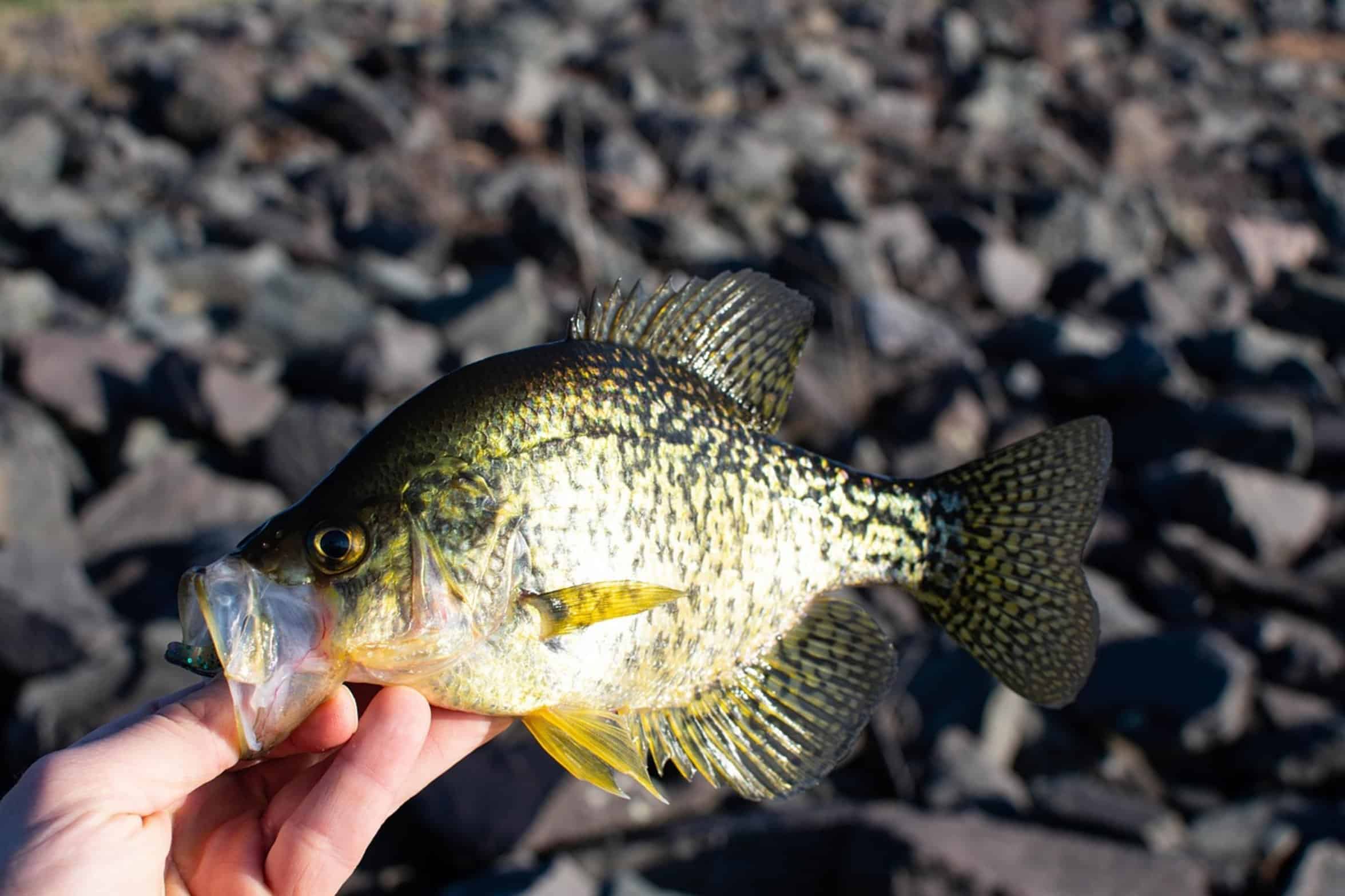
But this is more true for crappie. Crappie have small mouths and are very cautious feeders. They don’t suck the bait in like a bass does.
They sip and sip some more. They test. They won’t overcome the resistance of a fixed float.
A slip bobber takes away the resistance. Crappie pick up the bait naturaly. And the rig tells the angler there’s a fish on.
This provides a mechanical advantage. More fish hooked. Tension dynamics are critical to the physics of slip rigs.
How Slip Bobber Physics Work
On a conventional fixed bobber, the line pass directly through the float’s eyes, where friction exists. Even with slick guides, there’s drag. As the crappie takes the jig, it must first overcome the float’s weight and the friction.
Only then does it feel the load. That presents resistance that tells a curious fish to spit out its food and swim off. Slip bobbers remove the obstacle.
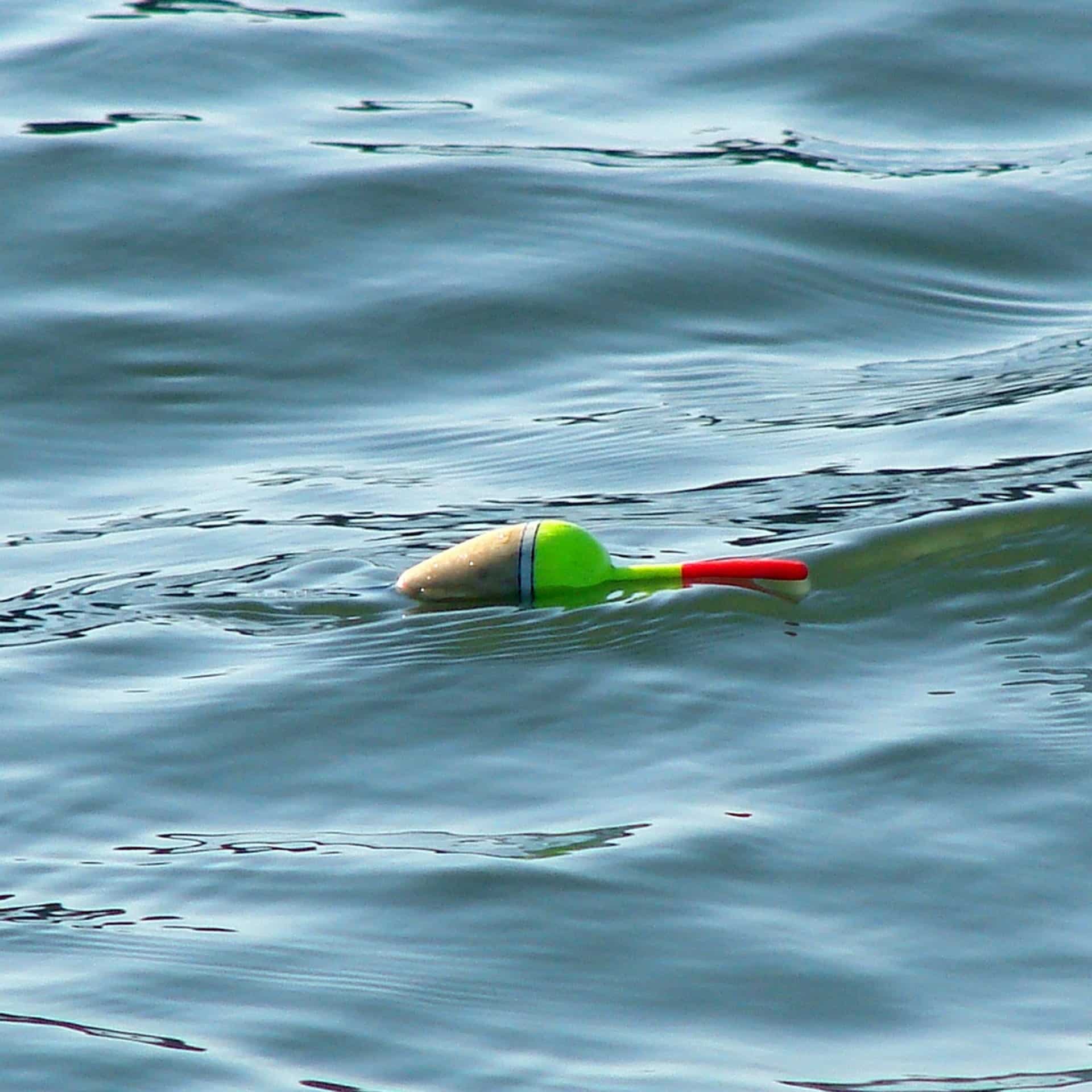
The line slides freely through a specialized bead or a hollow channel in the bobber. When the fish picks up the bait, it feels little to nothing. No float movement occur until the line tightens.
Hooking is usually well underway by then. The trick, however, relies heavily on understanding what makes it all tick. Three basic component make up the slip bobber rig.
One is the bobber with a channel instead of an eye at the top (most often). Next comes a stopper, either a homemade one made with a knot or a commercially available plastic stopper that slips over your line above the bobber. Finally, there is a piece of small plastic between the bobber and stopper, underneath the bobber near its lower eye.
Adjusting Depth for Crappie Feeding
The bobber controls how deep the bait will be. You throw out the rig. The bobber floats down your line until it reaches the stopper.
Then it stops and floats at that precise spot. Your line keeps sliding through the channel in the bobber. It won’t send any tension from the float up to the bait until you pull up and pass the stopper’s restriction.
Controlled freedom. The beauty of this game plan is setting the depth right. Crappie tend to suspend in the water column.
Many times they hover around some piece of structure such as a thermocline, brush pile, or even a drop-off. Rarely do they feed on the bottom except for extremely warm or cold water temperatures. On a fixed float you either have to move your float manually with your hands or re-tie the knot whenever you want to change depth.
It’s clumsy and time consuming. On a slip rig, you use the stopper knot. So if you’re fishing over a ten foot thermocline, you set the stopper to sit at ten feet.
Now your bobber is sitting there. If the fish move closer to the surface and hover above the thermocline at six feet, all you do is slide your stopper up four feet. It is an instant transition.
You don’t have to pull line, untie, re-tie, or re-fish. Just slide it up and go again. That efficiency lets you cover more water and find that depth where the fish are most active.
Sensitivity and Bite Detection
Another important consideration where slip bobbers have an advantage is sensitivity. Crappie bites can be very subtle. They might suspend the bait with a subtle little vertical twitch up and down, or maybe even just stop the bait’s fall momentarily.
A heavy fixed float tends to absorbs this type of subtle action, especially if you add split shot to make it heavier for longer casts. Its inertia masks the crappie’s movement. By contrast, a slip bobber is typically more sensitive and lighter.
Since the line is free-swinging, any upward resistance on the line from a biting fish is communicated directly to your line tension or to the tip of your rod. Again, you’ll know about it before you see it. That extra time is all you need to set the hook.
It’s the difference between getting ’em hooked solid or missing them completely.
Casting Accuracy and Wind Resistance
This setup also casts well. Bobbers on fixed lines can be bulky.
This bulk catches the breeze. This creates drag on your line and makes it harder to get a tight line. A loose line results in a loss of sensitivity and a higher chance of tangling.
Slip bobbers are typically aerodynamic and smaller in size. They cut through the air better resulting in longer and more accurate casts. Also, since the line slides through the bobber, it prevents the float from twisting the line during the cast.
Twisted line causes reduced sensitivity as well as increased tangle potential. The slip rig allows the line to remain clean sliding and the presentation remains naturaly. The bait falls straight down like a natural prey item would fall in the water.
You’d be surprised how adaptable these baits are to changing water conditions. The rigging of a fixed float makes it susceptible to being blown out of position in the wind and pulls the bait off target. The smaller float used on a slip bobber offers less surface area for the wind to blow on so they will tend to stay put.
By rigging a heavier jig head you can have the bait pinned to its spot and still enjoy a fairly stable float. Fixed floats also get waves in rough water and false bite as the wave causes the float to rise and fall up and down. The slip bobber slides so it takes in some of that surface energy but doesn’t pass it to your bait underneath.
The bait sits at the level you want it to and doesn’t feel the craziness going on at the surface. The fish has a target that isn’t dancing all over the place because there is surface disturbance.
Tying and Rigging a Slip Bobber
The other myth surrounding slip bobbers is they’re hard to master. That’s just not true. Here’s how the technique works: Tie your stopper knot up at the desired depth your bait should be running. Slide the slip bobber down onto the line.
Slide the plastic bead down onto the line. Tie your jig on. Cast.
The bobber will freely run when your line leaves the tip of your rod. It’ll stop as soon as it reaches your stopper. Set your depth.
The only wrinkle with this is making sure your stopper knot stays put. If it slips, you lose depth control. Most times an overhand knot does the trick, though there are store-bought plastic stops that pinch the line and slide right on.
Those are easier and more foolproof for some anglers. Either way, the learning curve isn’t very high and the payoff is significant. You’ll immediately start seeing more hook-ups.
Fish Psychology and Natural Presentation
There’s a psychology to crappie fishing too and you shouldn’t overlook it. Crappies are spooky fish. They don’t like vibrations or shadows and will shy away if they see something unnatural.
If a fixed float keeps your line tight, it can cause tiny vibrations that the fish will feel. Tension on your line will make them wary because there’s something wrong with their food supply. The slip bobber design ensures that tension from the float isn’t transmitted to the bait.
The bait dangles freely without any pull from above. When the fish swim up and investigate, there’s no resistance. They feel confident enough to grab a hold.
That confidence results in the hook-up. It’s more than just the mechanical action of the float; it’s the trust of the fish in the offering.
Adapting to Weather and Water Clarity
The weather too determines when and how to use it.
If it is an overcast day, the crappie will feed in deeper water a little more aggressively. Set that slip bobber out deep. Maybe even 20 feet or more and let them get under there.
A slip bobber handles the depth better than a fixed float would because a fixed float would of needed an overly long piece of line that is difficult to handle. When it is a bright sunny day, the crappie might be in shallow cover or feeding closer to the surface. Just slide the stopper down to maybe a couple inches.
That way you can move with the fish and still not have to change everything. You use the same jig, hook, and leader but at a different depth. That’s the benefit of using a slip bobber.
Selecting Bobber Size and Setup
If you compare the two systems side by side you can see how much more efficient the fixed float is for certain species. For instance, fish with a strong mouth that don’t hesitate much, such as perch and bluegill, are good species for a fixed float. They hit it hard and fast.
You want to keep your bait up off the bottom in weedy situations, so again the fixed float works well there. However, the one thing about crappie that defines them is their hesitation. They don’t hit it hard.
They test. They sip. They drop.
That’s what makes the fixed float inefficient for this particular species. It puts a barrier there that the fish won’t cross. With a slip bobber, it doesn’t put a barrier there.
It lets the fish do what they’re going to do. It lets them be natural. The angler just has to be prepared to react when they do.
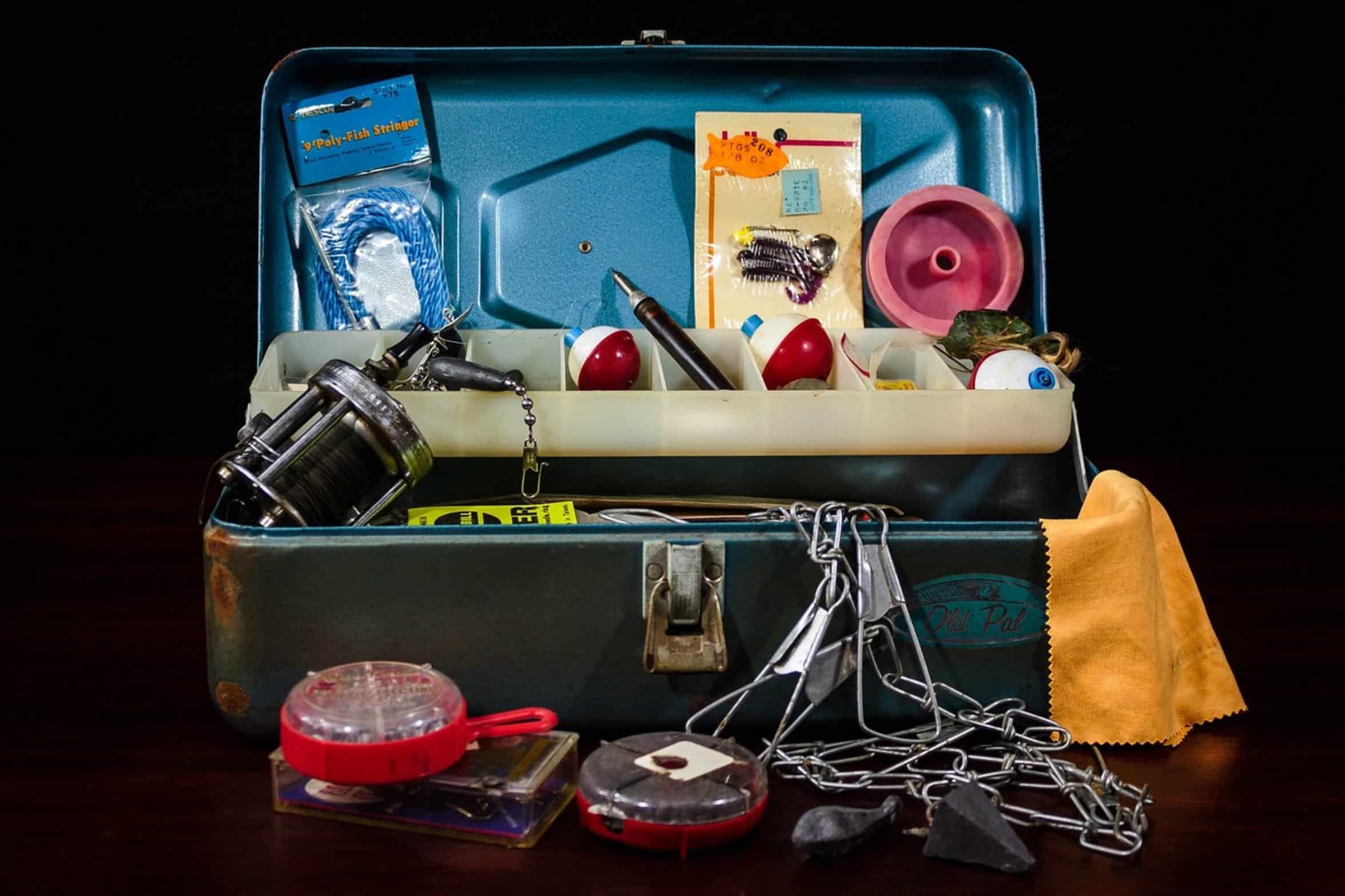
The equipment requires very little maintenance. It’s all inexpensive parts. Beads go missing.
Stopper knots slip loose. Bobbers break. It happens.
But it only takes a few seconds and mere pennies to replace. No complicated machines that require oiling and fixing. That’s the beauty of it.
It’s simple. And simple is appealing. With just one rod, you can have three or four completely different setups rigged up in your tackle box, all for different depths.
The source doesn’t give specific sizes for bobbers based on depth, just that you can have different setups ready to go. You can carry a few different setups in your tackle box, each pre-set to a different depth like ten, fifteen, or twenty feet.
Which means when you reach a depth change, you don’t have to stop and tie on another rig. You pick up another rod. Not a rig.
This increases productivity on the water which equals more time in the water which equals more time around the fish. The less time you waste tying knots, the more time you have to be fishing. Within the slip rig category, we consider bobber choice based off water clarity.
When fishing clear water, slip bobbers need to be slender and small enough for the fish not to see them as much. If it’s muddy or stained water, you want a bigger float that the fish can see better. But it will have no impact on how the slip mechanism works.
They’ll detect it just fine by its lateral line if they’re not looking at it. Just make sure to keep the float’s look in line with the conditions. You don’t want a big float in crystal clear water.
And you don’t want to go with a tiny float in muddy water. That may be too sensitive to surface chop. Keep your slip rig the same.
But change the size of the float. Slip rigs all day long. Then there is how the bait looks.
On a slip bobber, you can use a heavy jig head and let the bait hover right where it was dropped, or with lighter weights and some current, allow it to free drift. Because nothing pulls against the bait to stop it from rising, it falls more naturaly. Let it fall slow and stop to look like a fleeing baitfish or dying insect.
A fixed float pulls the line, accelerating the sink or keeping it too static. It speeds up the fall or makes the bait too static. Using a slip bobber lets you control how deep you want the bait to go.
You raise the rod tip a little bit and get it to twitch, then lower it back down. Now it’s falling freely. The fish see something natural moving in front of them.
Something natural triggers their strike. Switching to a slip bobber from a fixed bobber is perhaps the simplest upgrade an angler can make for crappie fishing. There’s nothing new to learn, only something different to hang on your hook.
It doesn’t cost much at all. There isn’t even a learning curve. But the results can be dramatic.
You’ll notice the ones that were looking but not eating will start biting. You’ll notice the misses are no longer misses. It has everything to do with the physics of tension and how the fish thinks.
Get rid of the tension and the hesitation goes away. Get rid of the hesitation and you’ve got yourself a bite. It is that simple.
The next time you get on the water, consider how much resistance your line is putting on your bait. Consider the small signs you may be ignoring. A slip bobber works while a fixed float doesn’t because a fixed float is the wrong tool for the job.
A slip bobber lets us hear the message. It lets the fish talk. What are they saying?</p