Locating fish is half the battle in crappie fishing, especially in dirty water. To do this, you either sit in a boat or stand on shore and figure out exactly where those panfish set up. It’s not so much about catching fish as it is solving the puzzle of where they’re positioned.
It takes experimentation and a little patience to find structure that holds fish. Before you even make a cast, you’ve got to think about what you’ll be using. Because crappie are often pressured and very wary, the wrong gear will spook ‘em.
The wrong line will result in missed hook sets. The right combo makes the difference between filling livewell or staring at a blank screen. There is a lot of products out there promising to be all things.
There is so much selection it’s hard not to get buried in options. To be successful, you don’t have to buy every gizmo on the market. A lot of these just weigh your boat down and won’t make you more productive.
So how do we find what will increase our chances? Let’s break down the must haves for catching more fish. This includes everything from lures to rods, lines to electronics.
This shows what works and what doesn’t. This will assist with building a slimmed down tackle box. The first thing to build your system around is your rod and reel.
Best Crappie Fishing Gear Essentials
Choosing the Right Rod and Reel
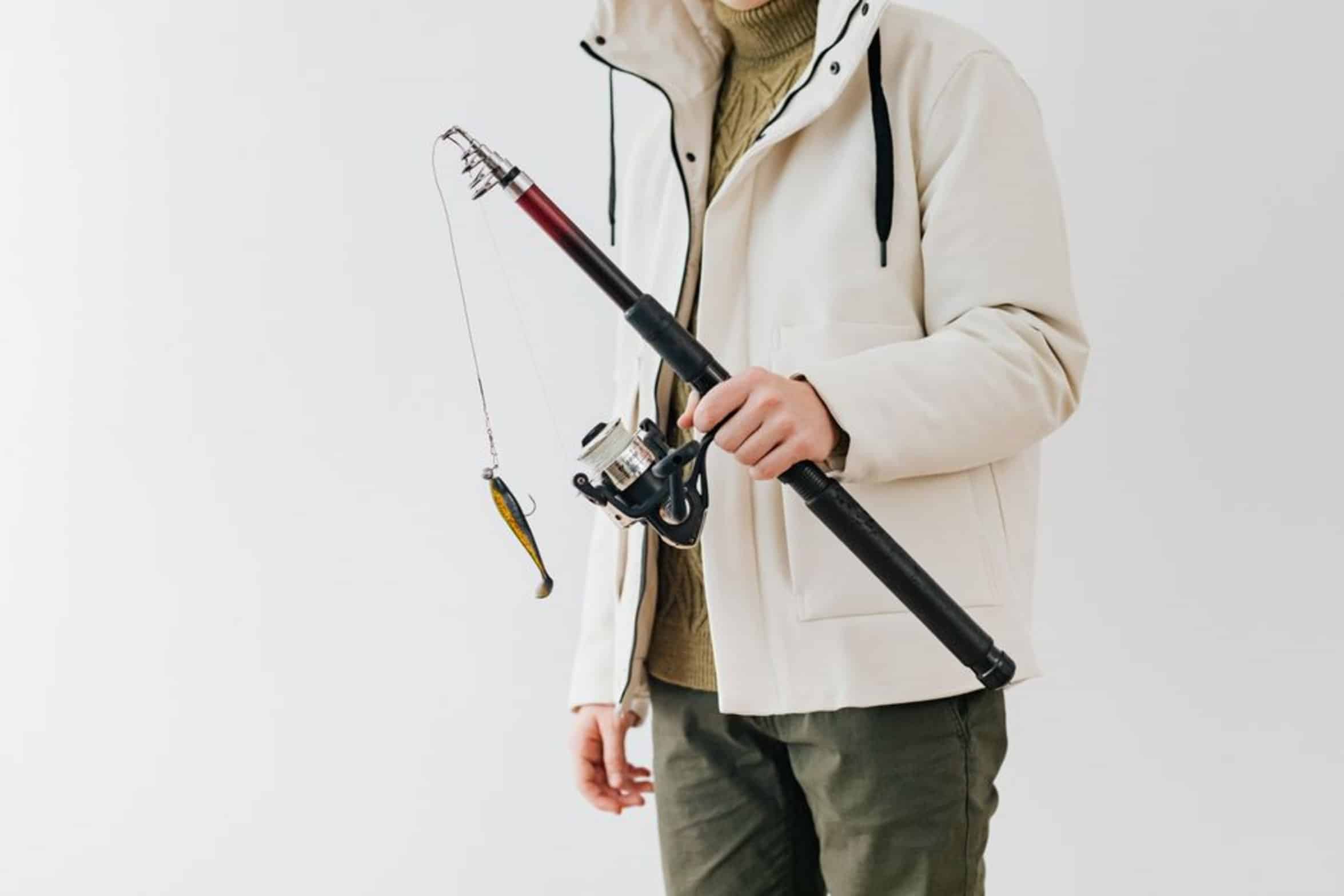
For catching fish, you want one that’s sensitive enough, but not so much that it lacks strength. The go-to is an ultra-light spinning rod. These is designed to pick up on those slight nibbles that crappie tend to make.
If the rod is too rigid, it will miss those light taps. On the flip side, if the rod is too limp, setting the hook is tough. Seek out something with a moderate backbone but a fast-action tip.
This combination let you detect bites and deliver the power necessary. Match it with a solid spinning reel with a smooth drag. Don’t worry about super-fast retrieves.
Crappie don’t pull like that. What you’re after is control and precision. A nice reel gives you the ability to work your lure with finesse.
Whether using live bait or jigs, this combo will perform well. It works in both dirty and clean water. Buy good gear now and it will pay off later.
Selecting the Proper Fishing Line
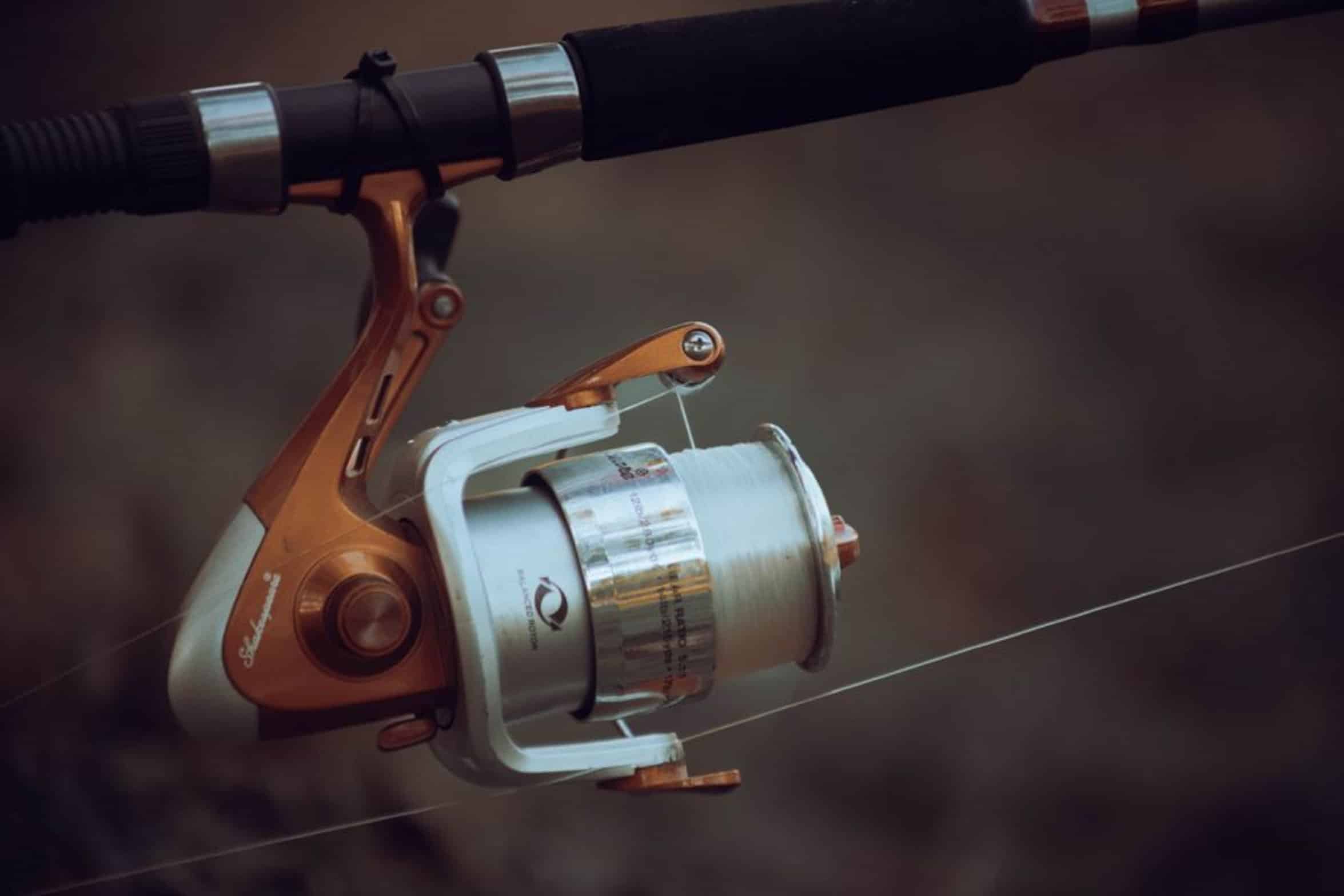
Line selection is one area where lots of anglers gets burned. Some people assume the stronger the line the more secure it is. That’s not how crappie fishing operates.
Crappie give very light bites and they don’t have big mouths. They are spooked by heavy line and you lose some sensitivity as well. A good rule of thumb is to choose a line that is almost undetectable in the water.
Many guys stick with monofilament and it’s a solid option for most situations. It stretches and helps protect from line breaks on those crazy runs. For clearer waters or fishing deeper, fluorocarbon typically does better than mono.
It’s less detectable to wary crappie and sinks quickly. Key here is going with a light test line. Four to six pound test is typically enough.
Going much over an eight-pound line can be quite bulky. Fish will sense the line pressure before hook sets and you’ll lose ’em. Remember, light line also lets you go down in jig and weight sizes.
This becomes important if you’re targeting suspending fish in the water column. The line should complement the delicate nature of the presentation. The last few years have seen a change in crappie fishing with electronics.
Using Electronics to Locate Fish
You no longer have to guess where they may hang out. With moddern sonar units we can see exactly what depth they are holding and even individual fish. Don’t think you have to get the most expensive unit available.
Often a simple down-imaging sonar will show you schools of crappie. Where it pays off is learning how to interpret the information. Don’t just look for contact on the bottom, but also look for suspended fish.
Crappie frequently suspend next to cover such as dock posts, logs or weed beds. Locating that structure is key, and your fish finder help you find it. It’s then up to your eyeballs to pinpoint the fish.
Some guys put too much stock into what they see on the screen. They tend to overlook fishing the water column. Electronics can be used as a tool to find targets but not catch the target.
You still have to present your lure. Investing in a good mid-range sonar unit that shows clear images is wise. This will help find fish quicker and eliminate wasted time.
Essential Lures and Bait Selection
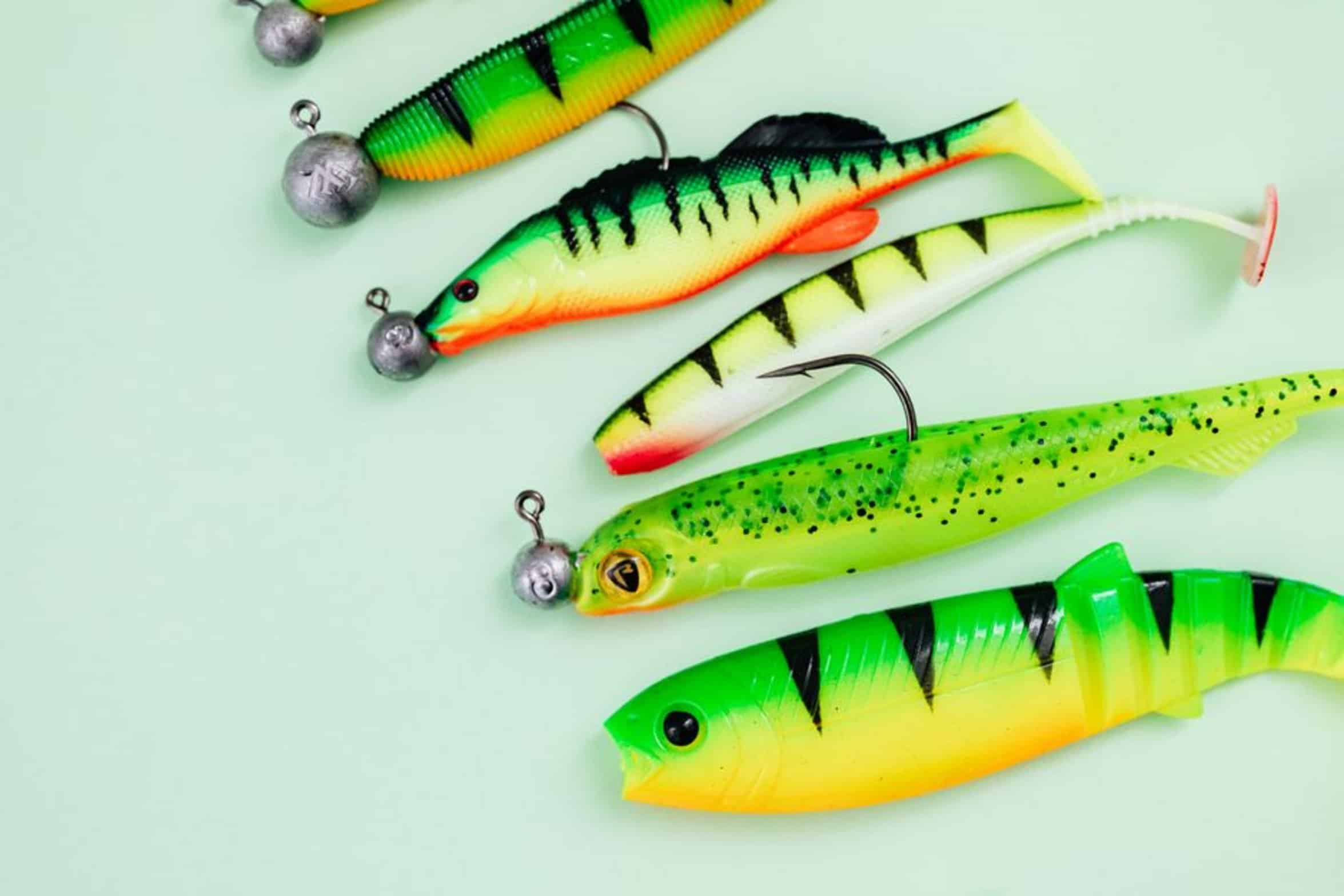
Lure selection can sometimes be that simple. Don’t feel pressured into purchasing every new jig color that hits the market. It’s seldom needed.
Vibration and movement are what get crappie biting. A simple small jig with a marabou tail or a simple tube bait will produce in most situations. Again, just match the size of your bait to the size of the fish.
In tough conditions, smaller jigs tend to catch larger fish. Don’t feel forced to carry a tackle box full of variations. Just have three or four good jigs in various colors.
For stained water, natural colors such as black and blue or green pumpkin work best. Clear water favors white or chartreuse. Color isn’t as much the issue as the action of the lure.
A slow fall with intermittent twitches usually triggers the bite. Live bait still works but artificial lures cover water better. You can dissect deeper water quickly.
Try to stick with proven designs and don’t chase trends. There is a lot of gadgets out there claiming to simplify crappie fishing. The truth is many of these devices wind up at bottom of your boat collecting dust.
Terminal Tackle and Hooks
For most anglers flasher sonar units are old technology. They simply don’t have the details to specifically identify species. Complex lure launchers are overkill.
They add unneeded complexity and weight. A simple rod and reel will get it done. Electronic bait presenters designed to copy natural motion are a gimmick.
Slow consistent retrieve is the ticket. Too much going on can cause tangled lines and broken components. Fancy rod holders with tracking systems are another item to skip.
Find the fish by moving around. Static set ups only hinder your efforts. Keep it simple but use equipment that amplifies your skillset instead of replacing it.
Staying connected with the action under the water works best with simple tools. Too many complex gadgets tend to take away from actualy fishing. This is terminal tackle.
Sharp hooks in proper size are essential. Crappie have small mouths so use smaller hooks. Slim jig heads minimize water resistance.
You want your bait to drop naturaly in the water column. Heavier lead weights are bulky and will descend too rapidly while appearing unnatural. Fine wire hooks hold fish securely without tearing the lip.
Inexpensive hooks will bend or break when a fish hits hard. Invest a few extra dollars into good terminal tackle. You can use split shot weights for live bait.
With them you can easily dial in your depth. Generally speaking fixed jig heads work best with lures. There should be no gaps between the head and weight.
Any space creates an odd wobbling action that may spook wary fish. Quality terminal tackle makes sure your bait acts like it’s supposed to. Organization and storage is more important than many people realize.
Tackle Box Organization Tips
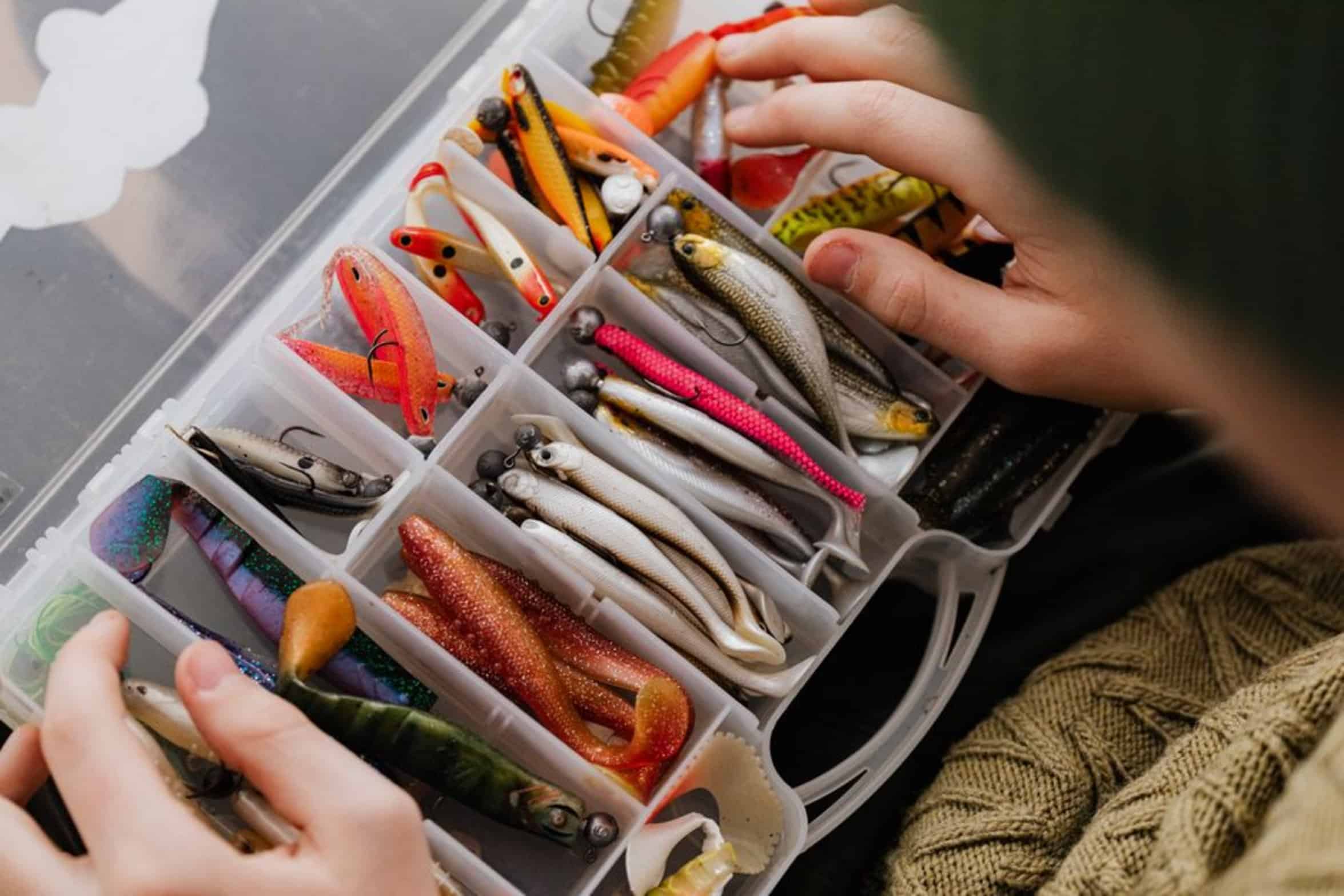
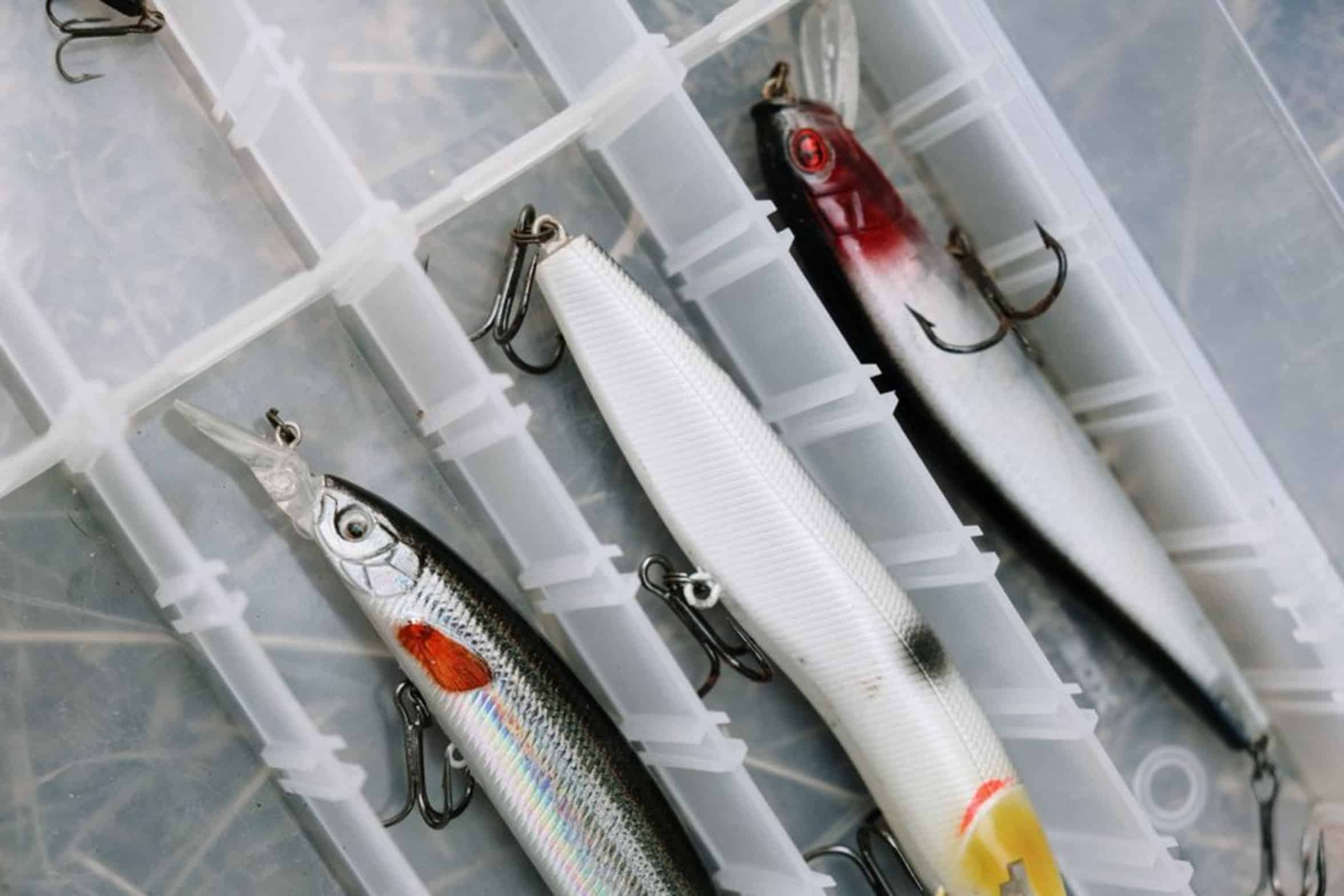
When it’s time to make a quick bait change, you don’t want to dig through a bunch of junk in your tackle box. The more time you waste digging for stuff, the less time you’re going to spend fishing. Keep what you use most accessible.
For example, rotate your lures based off water conditions so they are easily accessible as things change throughout the day. Don’t throw everything into one pile. Break up your soft plastics, jigs and hooks with small compartments.
This will keep your hooks nice and sharp while avoiding any annoying tangles. Make sure to dry out wet gear at the end of every trip. Moisture can cause damage and rust.
An organized and clean tackle box is a dead giveaway of a serious angler. An organized tackle box lets you act quickly when conditions change. If you spot a school of fish, you’ve got to switch baits in a hurry.
Disorder leads to missed opportunities. Make it a point to take some time and sort and clean out your tackle box periodically. It’s a small habit that pays off in a huge way.
Safety Gear for Anglers
Even on calm days, it’s important to have safety equipment. This includes wearing a life jacket every time you’re out there. Wear them not just as an emergency item, but also because they will keep you afloat and warm if you go into the water.
On big bodies of water, weather can change rapidly. What started off as a peaceful day can suddenly become dangerous with a storm moving through. Make sure to have a first aid kit handy.
You may get cuts and scrapes from handling nets and hooks. Having a landing net makes getting fish back in the water both easier and safer while protecting their slime coat which helps reduce stress. Don’t leave this stuff at home to save space, because safety gear takes up very little room.
Space does matter. But saving a life matters too. Whether it’s yours or somebody else’s, don’t skimp on safety just to save some space.
Mental Game and Fishing Strategy
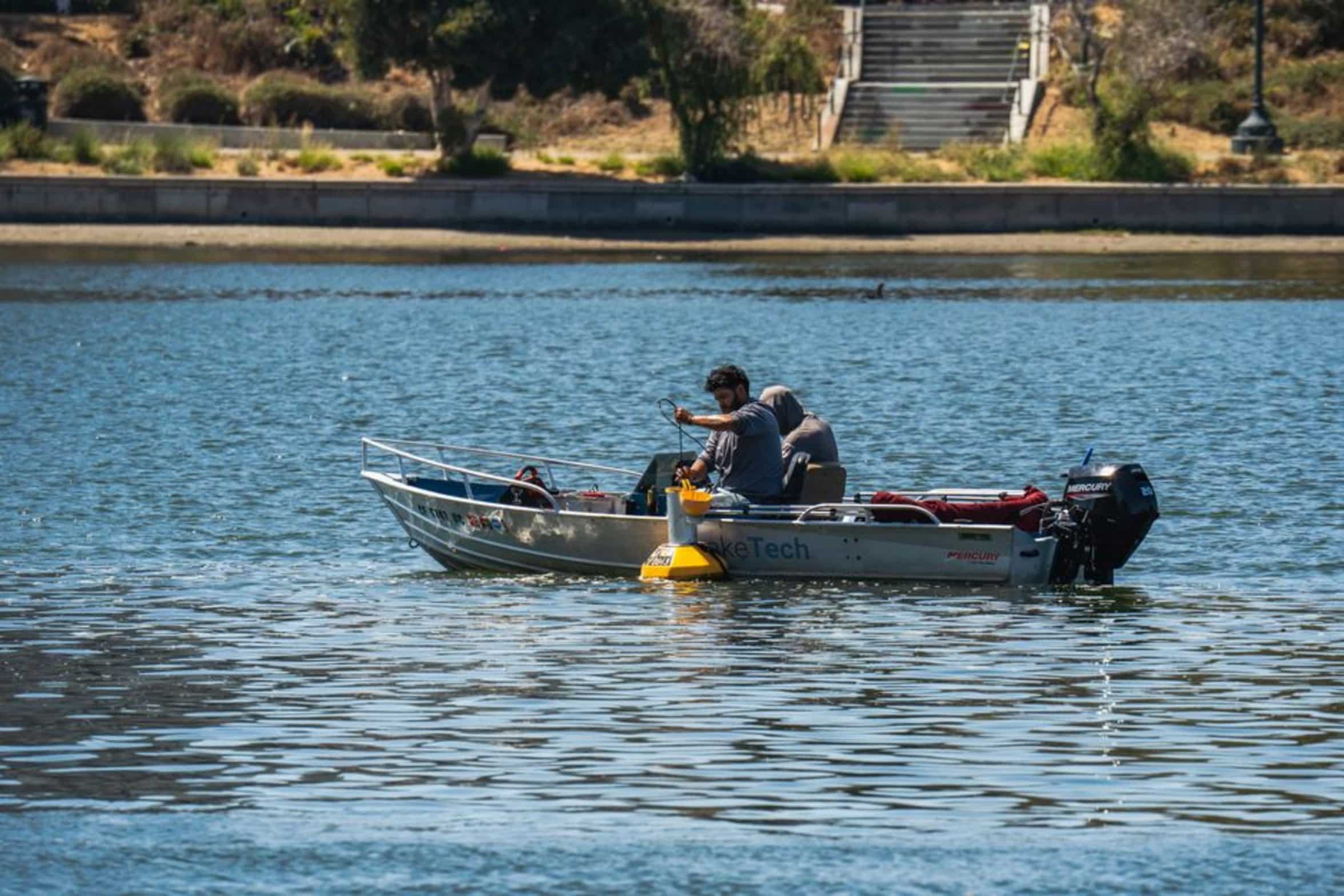
Your mindset is the last part of the equation. Be adaptable and be patient. Crappie fishing may take hours.
Don’t give up. Work methodically and cover the water efficiently. When you locate some fish, milk the spot.
They like to school up. If you catch one there’s probably more in the same general area. Try different depths or speeds if you aren’t getting any bites.
Their behavior is largely influenced by the water temp. If it is cool, slow your presentation. If it’s warm, pick up the pace.
Pay attention to what’s around you. Sunlight angle and wind direction play a role in where fish locate themselves. Use those conditions.
Remember, crappie fishing is a mental game almost as much as a technical game. Having the proper equipment will help, but it’s all about attitude. You don’t need a big wallet to build a good crappie setup.
You just need some good choices. Spend your money wisely on a few good rods, some light line and a handful of good lures. Keep the gimmicks at home.
Make your tackle box work for you. Don’t turn it into a museum of useless gadgets. When you go fishing, every piece of tackle in there has a specific reason for being there.
If you can’t tell me why you packed it, don’t take it along. Not only will this tighten up your game, but it will also lighten your load. Believe it or not, simpler is often better.
The fish aren’t impressed by your gear list. They are interested in how well you put the bait in front of them. Learn the basics and you’ll catch more crappie.
The best gear is the gear you know how to use. Stay patient, keep it simple and enjoy the hunt. Those who respect the patterns of the water gets rewarded.