Typically bluegill fishing are easy. Cast it out there, put on a nightcrawler, watch your bobber go down and pick up a sunfish. It is easy.
It is accessible. And if you’re teaching children how to fish, it’s perfectly suited for teaching them patience. Then sometimes it’s not.
Something unexpected rise from the weeds. Your rod loads up hard. There’s a fish on the other end.
Or so it seems. A half pound fish don’t typically make a fisherman feel this way. The land of the giant bluegill is odd.
History And Secrets Of The Biggest Bluegill
The Elusive Giant Bluegill
They are elusive, they are rare. They are something angler debate about. There are some who claim to have witnessed them, but there is an officially recorded weight for a bluegill.
The biggest bluegill on record hasn’t been broken in decades. In order to catch such a big fish, we need to look past the normal fishing techniques. It takes special circumstances and unmatched patience.
And it takes a little luck to make what might of otherwise been just another fishing day into a day with a world record fish.
World Record History
As far as we know, the world record stand at 4 pounds and 12 ounces. That bluegill was taken by Wilbert Robinson from Kanawha Lake in West Virginia on November 18, 1950.
The source doesn’t actualy say whether it was a lake record. A normal healthy bluegill range in size from half a pound up to a pound. In most folks’ eyes, a two-pounder is a trophy.
So this fish is over twice that benchmark. It’s the best this species can do when given optimal conditions. And yes, it was taken on plain old hook and line gear.
Sophistication didn’t win the day.
Factors Influencing Growth
Bluegill size is mostly determined by two things: Age and environment. In the early years, bass grow quickly.
Bluegill grows slowly over many years. They need to be in the right water. Warm water that’s rich in nutrients.
Water full of small crustacean and insect larvae. And they need food. For twenty or more years, the water at Kanawaw Lake provided all those things.
It was a warm, deep reservoir with a thriving ecosystem. It was a place where the fish could live out their lives. They added just a fraction of an ounce to their bodies every year.
Slow and steady growth is what makes giants uncommon. Most bluegill simply don’t makes it long enough to grow large.
Tactics for Catching Big Bluegill
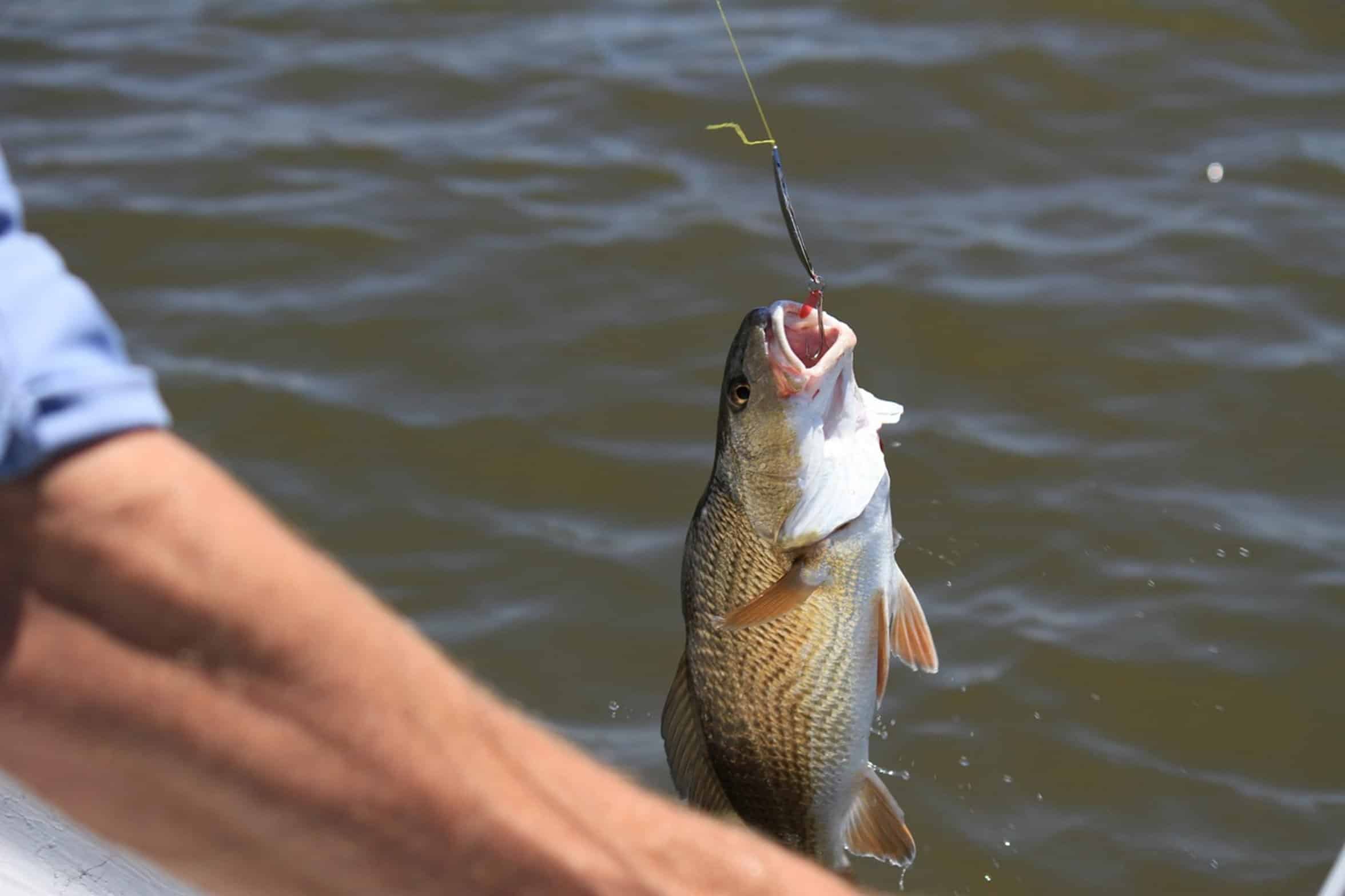
This is how he caught it.
It is a live worm on a tiny hook. You are fishing close to the bottom. It sounds simple, but how many people can do that?
Big bluegill hangs out down deep when its cool. The secret? Just leaving your bait motionless.
Big ones are suspicious. Too much time around hooks has taught them to pay attention to what’s going on around them. They learn to ignore turbulence and movement.
That’s why Robinson didn’t twitch his line or make repeated casts. He just put the bait out and let the fish get it. Anglers think they need something happening all the time.
The timing of the catch was key too.
Seasonal Timing and Behavior
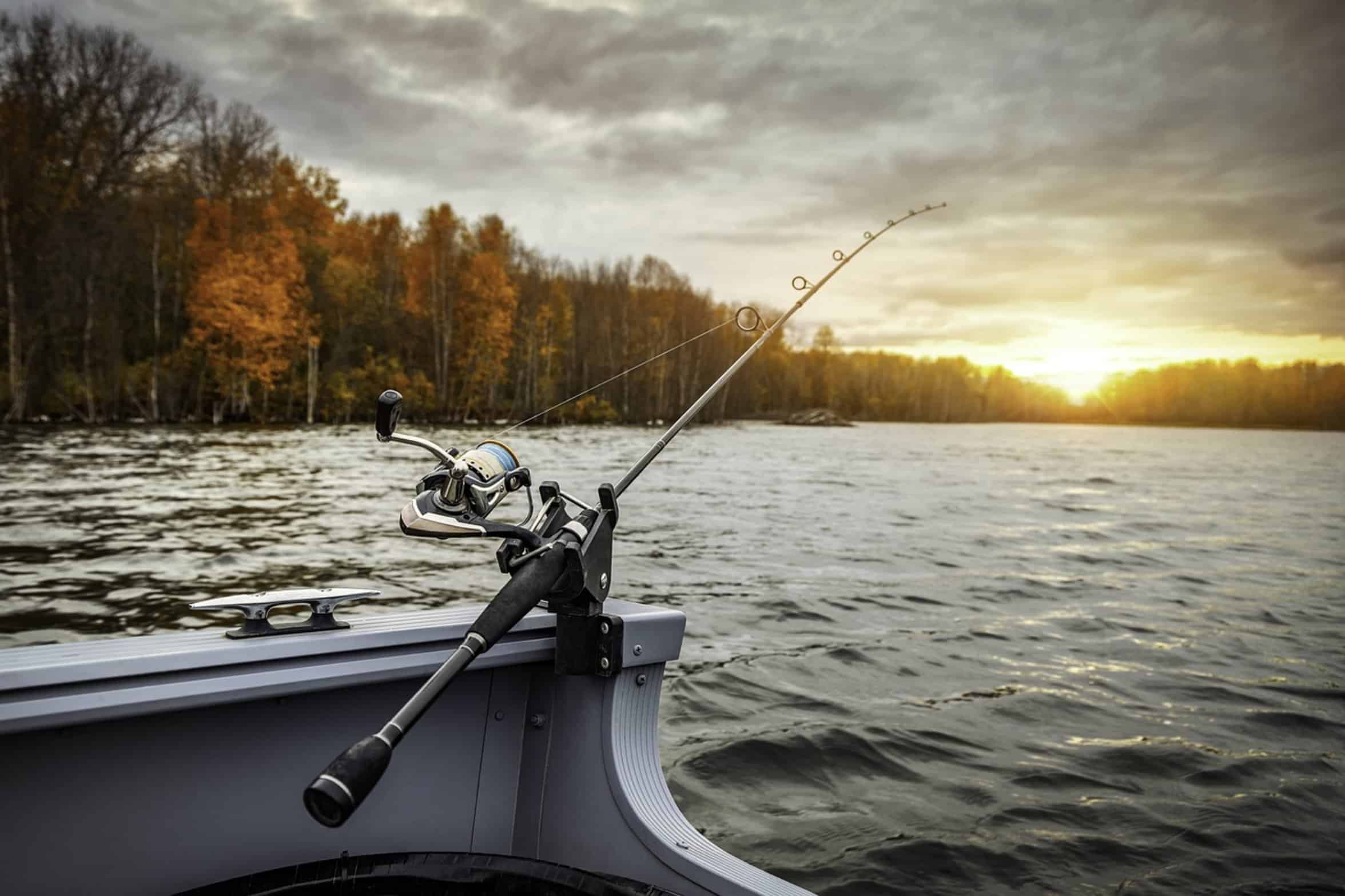
It’s late November in West Virginia and that translates into falling water temperature. As the cold settles in, large bluegills becomes lethargic.
But they still has to feed in order to make it through winter. So they slide out a bit deeper, but not so far away from an easy meal. Robinson focused on this stage.
He knew the fish were going to be hungry, but slow. And the window of opportunity is small. Miss it and the fish tucks itself back under ice cover or gets lost in the depths of mud for months.
Then there was the record itself to verify.
Verification of the Record
In 1950, catch and release was not commonplace. To validate this record, the fish needed to be measured and weighed.
It was an official IGFA all-tackle world record fish. And the paperwork was strict. They took pictures.
Witnesses verified everything that happened. That’s how you know it’s a legit record. It is not some tall tale from some fisherman over the years.
It’s actualy recorded as an event in fishing history.
Lessons for Modern Anglers
This historic achievement has something to teach moddern anglers. Catching a giant doesn’t require high-end rods and fancy sonar equipment.
It does take some knowledge of fish behavior and an appreciation for how easy they are scared. Catching bigger fish mean thinking differently, it’s more about fishing slowly and precisely versus fast and furious with a lot of casts. Go find those calm quiet areas where the big ones tuck themselves away and look for that trophy.
It is the tale of the largest bluegill ever caught, but more than that it’s a lesson in how nature surprises us. How an average-looking species can produce an exceptional one. Any creature has the potential to get big under the right conditions.
And finally, there is the lesson that sometimes we have to wait to find out. So cast out next time you’re fishing bluegill and think of Robinson’s monster. He could be lurking in the weeds somewhere just waiting for a patient angler to draw him up.