Bluegill fishing can be frustrating. You’re out there sitting beside water casting a tiny hook with a worm on it waiting to see if anything bite. Then, when nothing does, you cast again.
Again. And again. The bass guys around you is slapping big noisemakers around that don’t even look like a panfish should be eating.
Glide baits. How can those big, loud lures possibly appeal to a fish with such a small mouth? Why would a bluegill bite something made for largemouth?
How To Shrink Glide Baits For Bluegill
Why Glide Baits Work for Bluegill
The truth is the bluegill do, but you’ve got to understand how to make them bite in tannic, dirty water. So for most people, scaling down a lure equate to simply reducing its size. Wrong.
A smaller lure is not the same as a properly scaled lure. When you take a bass lure and merely trim it down, you sometimes remove what makes it tick. You change the balance, you alter the action, you mute the vibration.
Scaling Down Lure Mechanics
What’s left is something that may look right but acts wrongly. It’s about creating something that imitates the natural prey of bluegill without sacrificing the way a glide bait work. A glide bait’s mechanics depend on the right ratio of weight to surface area.
Bass lures glides because they displace a given volume of water as they move from side to side. That displacement generates not only a vibration, but also a wake which the bass detects with its lateral lines. Although bluegill lack the sensitivity of a bass’ lateral lines, they are visual hunters relying primarily on movement and contrast in lower light environments.
So what you’re looking for is a lure that maintains this side-to-side motion without having to load your rod down to do so. The second hurdle is finding the correct size. A standard glide bait can measure three inches long or more, which is way too large.
Typically a bluegill’s mouth is often only an inch across so you has to find something close enough to that size to fit into their mouths. So somewhere between one-and-a-half and two-inches is where you are looking. There are companies such as Strike King that makes their KVD Perfect Plastic line of glide baits in multiple sizes.
The smaller version retain the glide action and are proportional for panfish. You don’t want to take a three-inch lure and just hope they’ll bite it near the surface. They’ll smell it and reject it.
Not all glides is created equal. This isn’t necessarily about the length, it’s about the proportion. With regards to rods and reels, this matter even more than it does for bass fishing.
Choosing the Right Rod and Reel
The rig should be nothing like your beefy spinning setup. A small glide bait need room to move, so a stiff rod will overpower its action. Go with a six to six-and-a-half foot, ultra-light or light-power rod that give the lure space to breathe while giving you sensitivity on the pause between each gliding motion.
Couple that with a small spinning reel, spooled with four-pound test line. Make sure the line is thin enough to allow the lure move freely without hindering its action, but strong enough to catch a two-pound bluegill. If the water is stained, use clear fluorocarbon, visibility is key.
Mastering the Retrieve Technique
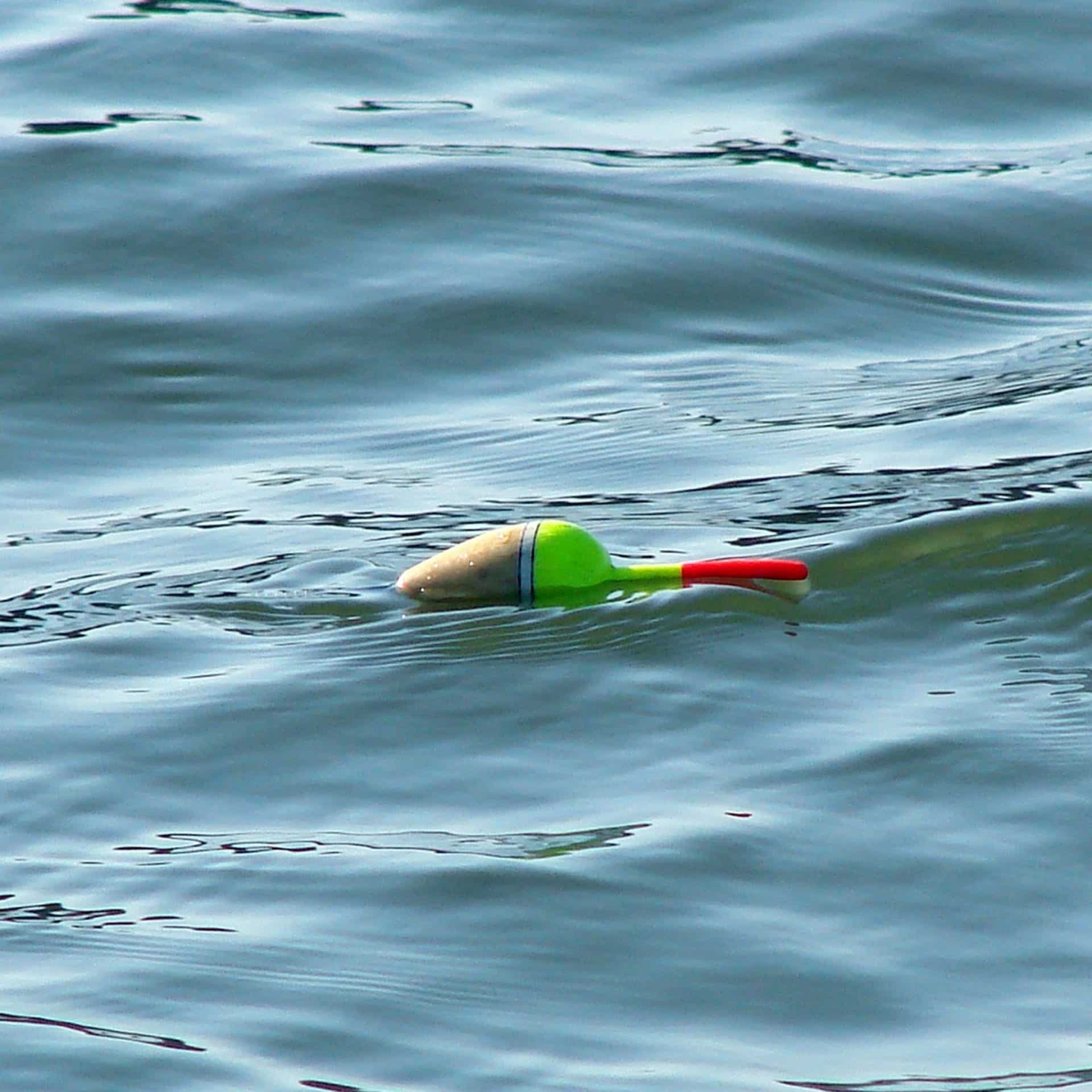
Most folks miss the boat on how they work a small glide bait. It’s not like working a big glide bait. Don’t give your lure heavy twitches because it will kill the action.
Instead, keep the retrieve steady and moderate. Picture a slow paddle, not a frantic twitch. Ideally, you’ll get the bait to glide in a wide arc from left to right.
When pausing, don’t let the lure sink completely; keep it in the top three feet of water column. Maintain it in the strike zone, typically within the first few feet of the water column. Remember that bluegills is ambush predators.
They’d prefer for you to bring the target to them rather than have to chase it down. The colors are pretty straightforward. Natural colors on clear water.
Selecting Colors for Water Conditions
In clear water, you can use green pumpkin, watermelon red, or bluegill patterns. These color imitate the crawfish and minnows that the panfish feed on. But if it’s dirty you need something that has a lot of contrast.
Use black and red combos. Chartreuse. White.
Something that stands out. Because remember the bluegill eye is small and needs to have some sort of target. Keep it simple.
Make it bright if it’s dark. Make it subtle if it’s clear. That’s all there is to it.
More than anything, your success come from weather and light conditions different than gear. Your best friend is an overcast day. You can get away with fishing a lot shallower because the light isn’t as much of a factor in scaring the fish.
Timing and Weather Advantages
On sunny days, you’ll need heavier cover or deeper water. And the best window for the bite is first thing in the morning and late in the evenings. That’s when bluegill really feed up and become less cautious.
Take advantage of that and work on your retrieve. If you get the timing down, you’re going to catch ’em. If not, you’re gonna burn some line for nothing.
Instead of wasting another boring afternoon this way, try it. You’ll have something to do. Something to search for.
It is a bait that fishes effectively through the water. It’s quicker. It is more exciting.
It is more effective. The next time someone rolls their eye at your little ole rod in disgust, think about it: They’re fishing for trophy-sized bass. You’re having some fun.
Downsize the bait. Lighten up on the tackle. Throw it in the shade.
There will still be a bunch of those bluegills right where you can reach them.