Crappie aren’t easy catches; they’re finicky and reject heavy tackle. Failing to respect the nuance of the fish before buying your hooks is the surest way to go home empty-handed, and a rod breaking on its first cast is just one example of the frustration that comes with poor gear choices. Fishing for them isn’t as easy as it appears on the bank.
To catch ’em, you’ll need some special gear. Fish are sensitive and won’t cooperate with any old thing. When folks start out, they buy based off appearance instead of effectiveness.
They think expensive means good. That’s a sucker bet in crappie fishing. It’s a game of finesse.
You want equipment to sense the slightest touch of a fish’s mouth. The heavier stuff masks the bite. All you feel is water; not a fish.
Essential Gear List For New Crappie Anglers
The Importance of Finesse Gear
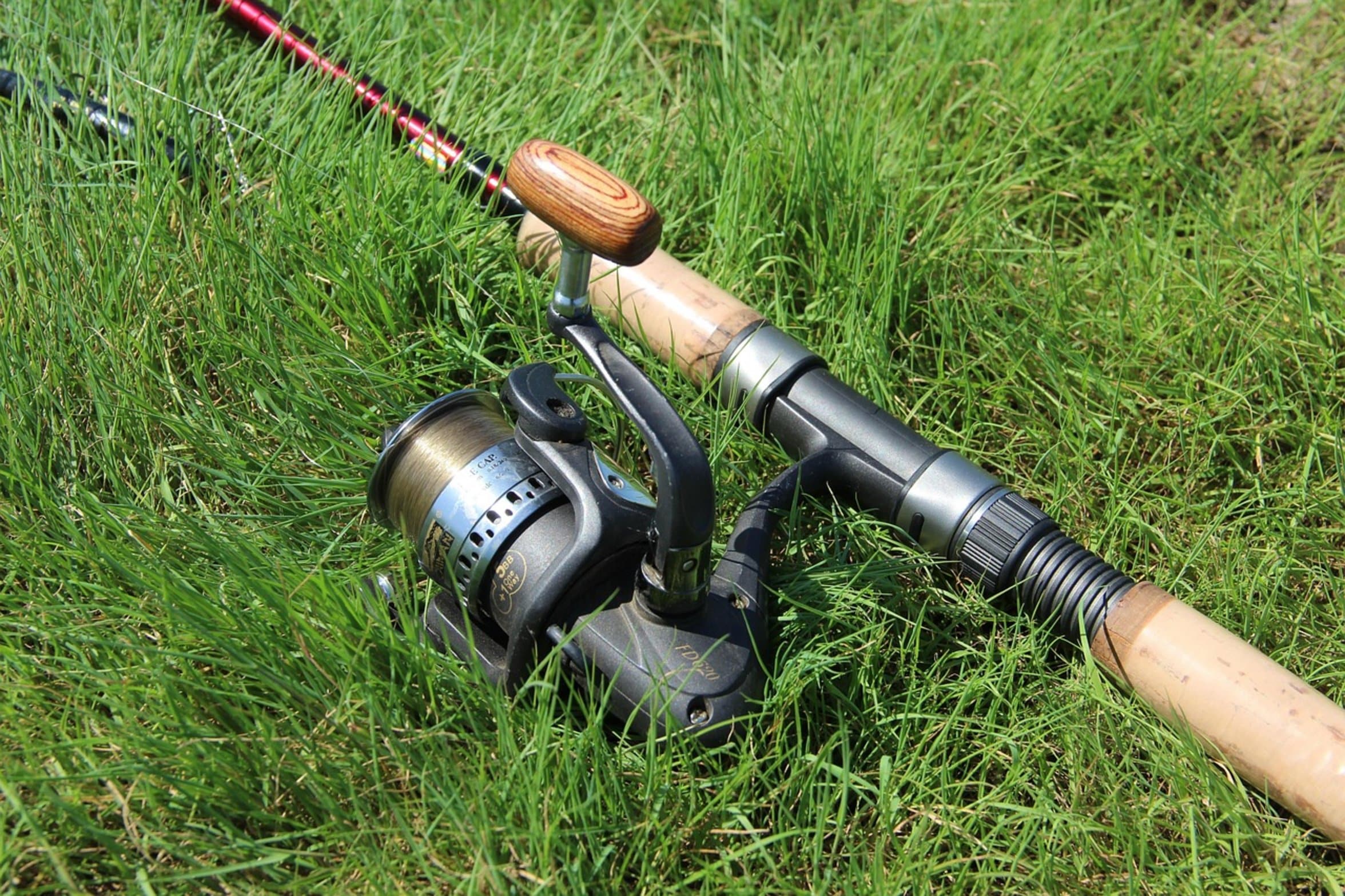
Get started building a sensitive rig, equipment that lets you know when there’s one there. All tackle is designed with a purpose, both for detecting as well as controlling. Starting out does not require a lot of tackle.
All you really need are some tools that complement each other. The following list shows the essentials in order of priority. Priority assures you buy the components that will catch fish first and avoid buying accessories that go unused.
Choosing the Right Crappie Rod
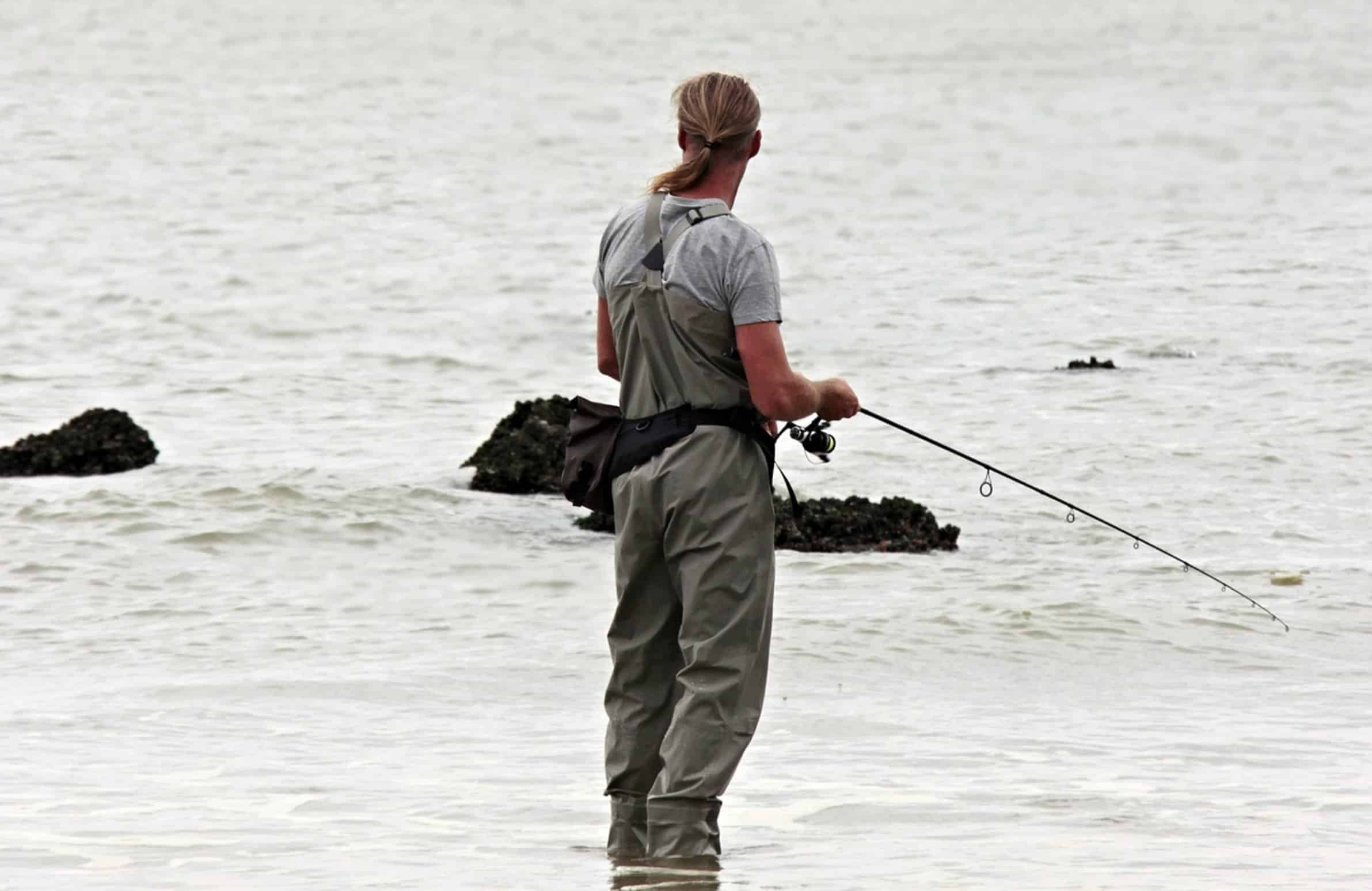
The first thing is the rod. That’s how you connect with the fish. When they bite, their mouth is soft and will rip open.
If you have too heavy a rod, it will pull the hook or snap off at the line. You want one with light power and moderate or fast action. It has to bend when you feel nothing but a small weight.
It must also have enough backbone to set the hook. Find rods marked as crappie specific or ultra-light. They are typically about six to seven feet long.
They are long enough to get some leverage on the fish but also sensitive enough to detect very light bites. Many newbies are scared they’re going to break their light rods. That makes sense but doesn’t understands what the gear does.
Light rods are meant to flex. They give when the fish takes off. It’s not going to snap your light line.
If you use a medium or heavy rod, you fight the fish’s nature. You’ll get taps where you should of be feeling vibrations. That makes all the difference in keeping the fish.
Get a quality graphite crappie rod so you don’t have to replace it often. It’ll last for years. And that makes it one of knowing rather than guesswork.
Selecting a Balanced Spinning Reel
Match the rod with a delicate, controlled reel. That will usually be a spinning reel. Why?
Because it is simple. It enables a smooth retrieve without drag. Go for a small one, probably a 1000 or 2000.
Small hooks and light line are easy to manage with a reel that size. They don’t weigh down the end of the rod unnecesarily. Balance is important.
A big reel weighs down the end of the rod. It reduces sensitivity. You feel the weight of the rod rather than the bite of the fish.
When set up properly, you feel the vibrations sent by the rod into your hand. A good spinning reel does not have to be fancy. You don’t need an expensive reel with all the bells and whistles.
Just a solid workhorse spinning reel will do. When they make a move, you want a smooth drag so it will let go of the line easily. Crappie won’t put a lot of sustained pressure on your line.
They school up and dart around. They are not running away from you like a pike or a big bass. Your reel holds your line.
It lets you play the fish softly. If you have a cruddy old reel that grinds and ticks, you won’t enjoy the experience. Something in the mid range that just works quietly makes it even better.
Ball bearings aren’t important as much as smoothness.
Best Line for Crappie Fishing
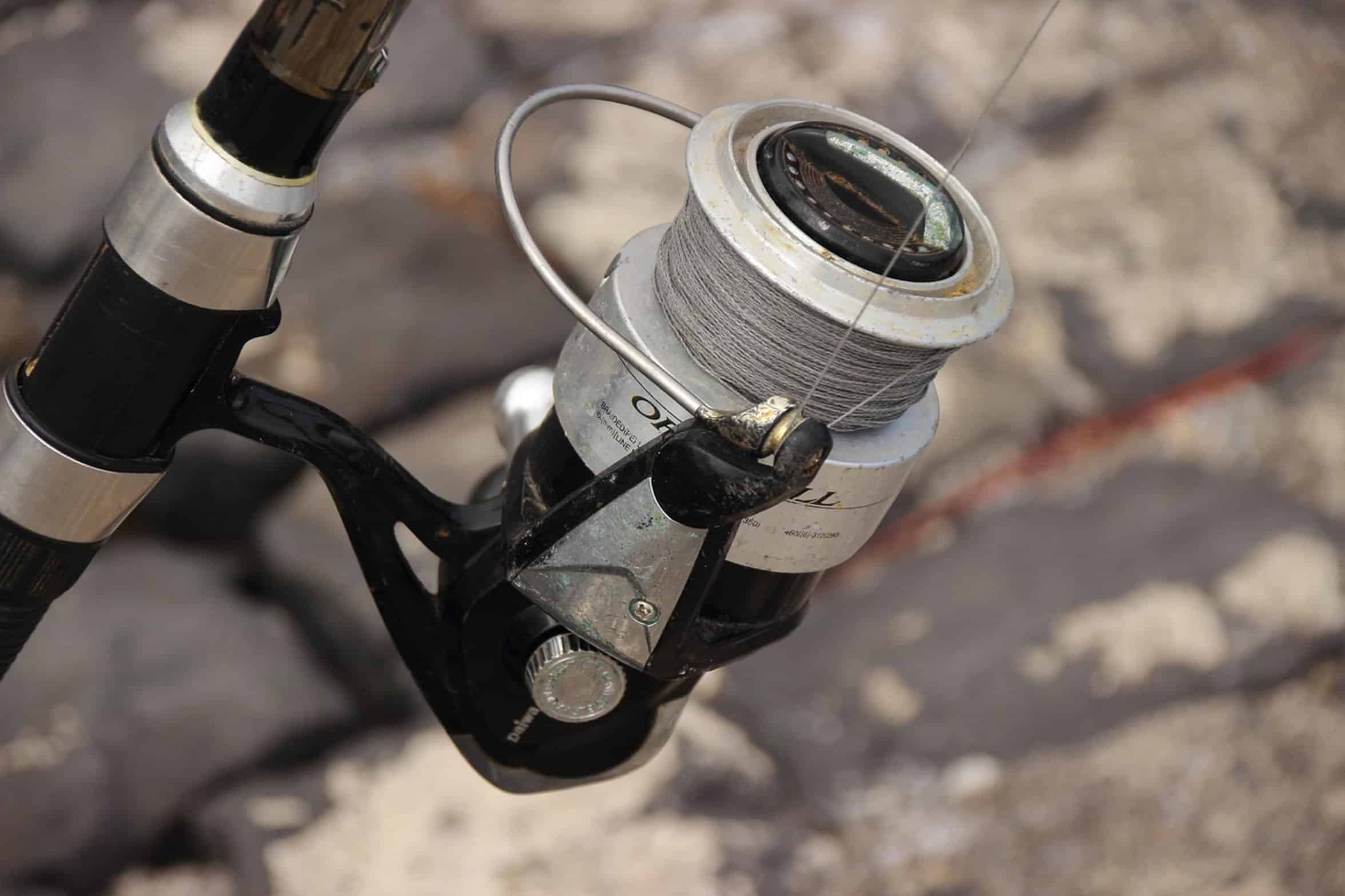
Your bait action is greatly affected by your line. Crappie are visual predators.
They are visual predators that are also highly sensitive to water displacement. A heavy line casts a shadow. It puts up resistance.
That feels unnaturaly. Four to six pound test monofilament or fluorocarbon line works best. Mono has some stretch which will forgive you when you set the hook.
Fluoro is nearly invisible underwater and sinks fast so it gets your bait down quick. Both are great options. But never use braid.
Because braid has no give, it rips hooks out easily. It sends way too much power into the fish’s mouth. And it doesn’t spool evenly on small reels either.
Use mono or fluoro only. Now we are into the material and diameter of the line. The thinner the line, the easier it cuts through the water.
So your minnow or jig will descend without being slowed down. That means the fish will get a good look at the thing and a natural fall causes strikes. If you have thick line on there, the bait wants to swing or flutter.
And the fish know something isn’t right. They’re pretty smart. They reject hooks that don’t appear to be anything to eat.
So thin line isn’t just for stealth reasons but also presentation reasons. You want the bait to appear alive. It should not look like it is tied to a thick rope.
Essential Jigs and Baits
Crappie fishing revolves around a primary weapon: jigs. Jigs are little hooks with weight on them that have blades or spoons or sometimes just skirts on them. How deep they go depends upon how much they weigh.
How fast they fall is also determined by the weight. Get some light jigs from one sixteenth to an eighth of an ounce. That will allow you to fish shallow cover.
It will also let you suspend your baits in the water column. Too heavy and they fall too fast. Remember crappie eat vertically.
They follow bait fish up and down. If your jig falls too fast it won’t get any bites. If it falls slow enough it looks like a wounded baitfish.
That gets their predatory instincts going. Get several different colors. The basics are white, pink and yellowish-green.
Match the color for the water clarity. Use bright colors for stained water. Use a small hook (preferably numbers four or six hooks).
Remember, crappie have small mouths. They will reject large ones out of hand. Add action/visibility with a skirt or blade.
Marabou feathers move well in water. Durable soft plastic skirts work. They are available in many colors.
Options matter. Conditions determine presentation. Sunny days and clear water call for subtle color choices.
Cloudy or murky days want bright colors. Jigs are affordable because they are cheap. Buy a pack of fifty for a few bucks.
Don’t be stingy. Part of the fun is experimentation. The difference between dinner or stories often comes down to live bait.
Using Live Minnows Effectively
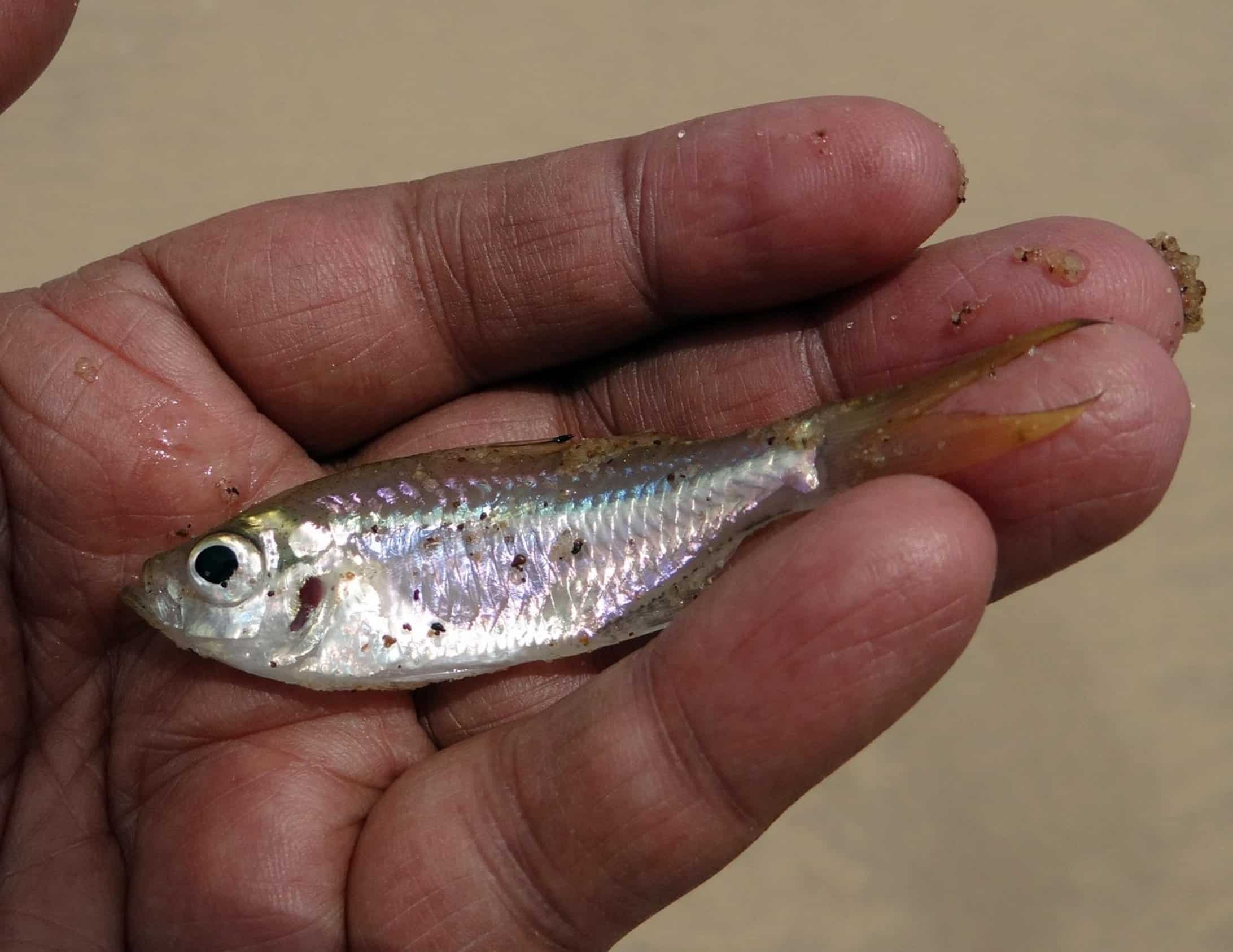
Live minnows are irresistible. They not only have the right scent but also give off the natural movement of a jig. There is no way artificial baits can mimic that.
Visit your local tackle store on the day of your fishing trip and purchase some live bait. Minnows are the go-to bait. Available in different sizes, smaller minnows are preferred by wary fish.
The larger minnows tend to attract the larger crappie. Store them in an aerated bucket. Movement is essential.
A dead minnow doesn’t move. That makes it less effective. Live bait swims, it fights.
That activity attracts attention. Nothing triggers a strike like live bait. The trick is keeping your live bait healthy.
Minnows don’t last long under stress. Maintain oxygenation and water temperature. If the water gets dirty, change it.
Don’t overpopulate the container. An active swimming minnow is healthy. A lethargic minnow isn’t appealing.
Some guys use cut bait (nightcrawler strips) on a jig head. It works great in cold water. This can be effective, especially in cold water when crappie are less active.
Whole minnows offer more versatility. Fish ’em shallow. Fish ’em deep.
Fish ’em slowly. Fish ’em fast. They adjust better to conditions than cut bait.
For novice fishermen, live minnows are your best bet. They’re forgiving of poor technique. Let the fish do the work.
Supporting Tools and Knots
The supporting cast includes hooks and weights. A jig that’s too light needs some added weight, which comes from split shot. You can use a selection of split shot weights to add mass to your line if your jig is too light.
It slides onto the line. Adjust for depth with the split shot. Also needed is pliers.
Use them to cut line and take hooks out. Best is needlenose pliers for crappie. Hooks are small.
Fish are small. Regular pliers are too bulky. They can crush the fish.
Make removing hooks hard. Invest in small needlenose pliers. It is a cheap investment that pays off every time.
Keep one on a lanyard or in your pocket. You’ll use them more than anything else. The process includes rigging your line.
Use a knot that will hold. Learn to tie the Palomar knot. It’s simple and strong.
It works for both fluorocarbon and monofilament. Tie several knots in practice prior to fishing. A bad knot is a surefire way to lose a fish.
Hook your minnows correctly. Most folks use a nose hook. Nose hooks keep the minnow alive longer.
The minnow swims naturally. Lip hook kills the minnow fast. It reduces effectiveness.
Keep the bait alive. Keep the bait on the hook. It looks natural.
Make sure your bait stays rigged. It is a small detail, but it is important. Half the battle is finding the fish.
Locating Fish and Strategy
Crappie aren’t randomly distributed. They relate to certain types of structure. Weed lines, submerged timber, bridges and other classic places hold them.
Put your rod down and keep your eyes on the water. Probe the water with your eyes and rod. Watch for birds diving.
Surface disturbance is a sign that there’s some baitfish activity. Baitfish and crappie go together. Find the bait and you’ll find the crappie.
Checking various depths with your rod will help you find them. Drop your jig to the bottom. Slowly raise it up.
Feel for the change in bottom texture. Raise it several feet and then pause. That vertical motion can trigger a strike.
It takes patience. Sometimes you have to fish an area for twenty minutes. The screens help, but they don’t replace looking around.
A basic fish finder can show you depth and structure. It helps you find schools of baitfish. But just because you see it on the screen doesn’t mean you can catch it.
Fish finders will point out an area that has fish in it. They won’t tell you how to catch the fish. That’s why you need to use both a fish finder and your own rod.
Find what looks good from the finder. Then work it with your rod. The more skilled the angler, the better he is with his or her eyes open.
Keep your eyes on the water and use the finder. Combine what you see visually with electronics. This increases your chances of getting bit.
This makes guessing a thing of the past. This turns guesswork into strategy.
Persistence and Final Tips

The last ingredient for success is consistency. A crappie is not going to blow up on one big bite. It’s a lot of little bites. And yes, you’ll miss some.
You’ll lose some. You’ll hook some. That’s normal.
Don’t get discouraged. Adjust your presentation, speed and depth constantly. If you’re not getting bit, change something.
Go shallow, go deep. Switch colors. Speed up or slow down.
The fish will let you know what they want. You just have