Although bluegill aren’t about size, targeting them with a small plastic is great training for precision, feel, and paying attention to the water column. Because most guys view ’em as warmup fish there’s nothing wrong with that if you’re just killing some time. But practicing casting accuracy at bluegill will translate into better casts when throwing a small plastic lure at bigger fish.
You’ll also start noticing those more subtle bites that larger fish might overlook. You learn to pay more attention to the water column and that’s good stuff when you switch over to fishing for trout or even bass. The whole thing become a skills exercise hidden in plain sight.
Mastering Small Swimbaits For Bluegill Fishing
Why Targeting Bluegill Improves Angling Skills
When you look at most swimbaits on the market, they’re made for either pike or largemouth bass. They’re big and heavy and typically three or more inches long. You can’t throw a three-inch chunk of plastic at a three-inch fish and expect much success.
It’s simply way too big for them. A bluegill see your lure, knows it’s too big for him to choke down, and swims off with his head held high. You want baits that immitate what those fish are actualy chasing, such as crawfish tails or even minnows.
Choosing the Right Size and Type of Bait
When you go into the bait shop, don’t spend all your time staring at the front display case. Look around for soft plastic baits that is about an inch to two inches in length. That’s the key size, just big enough for the sunfish to get their mouth around.
Anything bigger or wider than an inch or so won’t last long once they hit it. You’re trying to look for finesse and put something in front of them that appear easy to catch. It is not a threat.
Recommended Swimbaits and Rigging
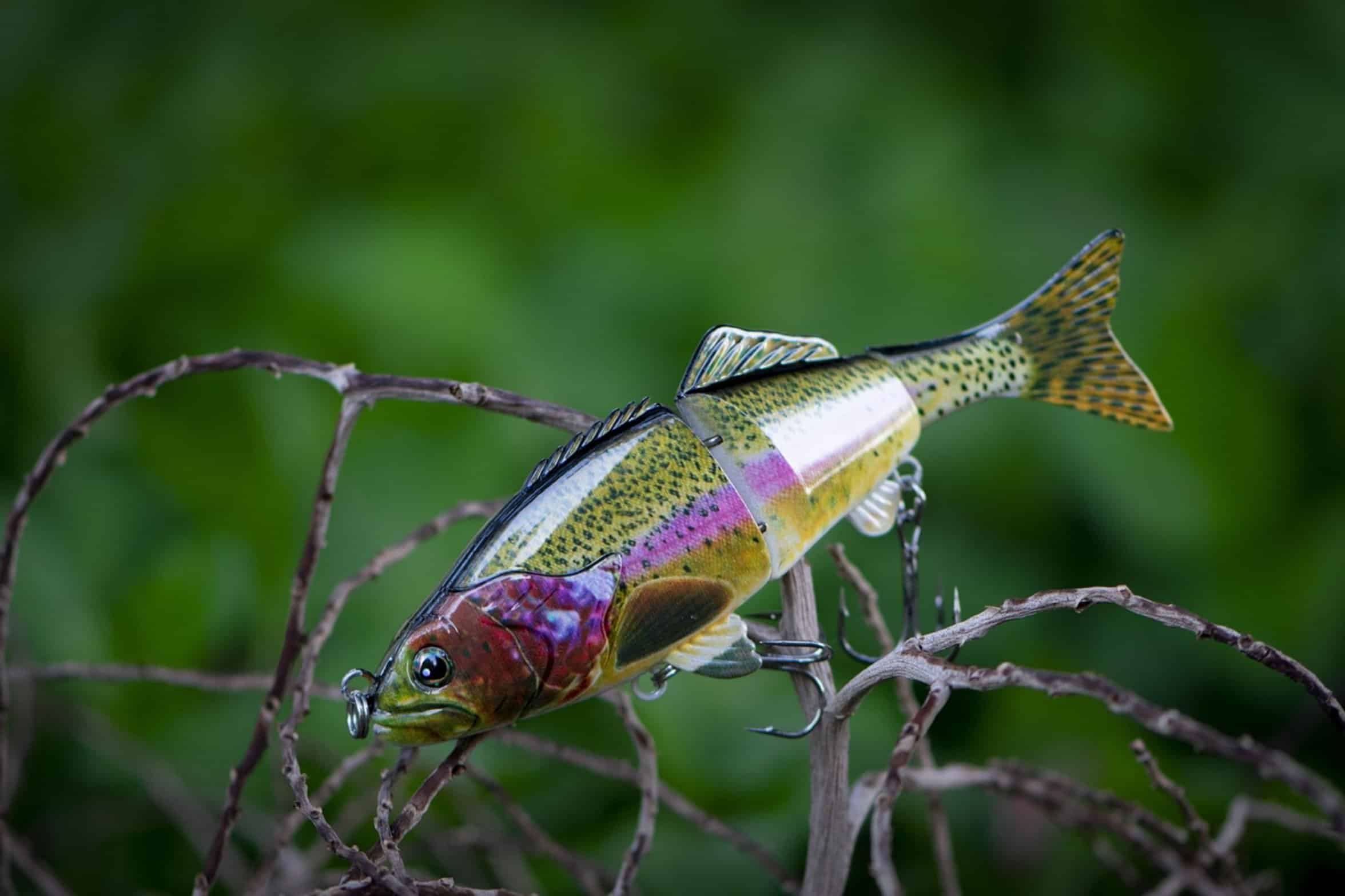
For this particular task, I think one of the best baits out there are the Z-Man Finesse Swimbait. It’s very lightweight and has a narrow profile that allows it to slide into a small mouth easilly. But again, the appendages make all of the difference in this scenario.
The bluegill react to movement. So they really want those flappers on the back end to flutter as opposed to just whipping hard back and forth. They’ll see the slight vibration from dragging it slowley across the bottom which triggers those reaction strikes.
Again, it’s respecting their biological makeup. The weight of these baits is also very important. These baits are small so you don’t want to go with a traditional jig head because it will either bury your hook or just weigh it down too much.
You really need a streamlined finesse head. In many cases a 1/16th or even smaller like a 1/32nd ounce head work best for these swimbaits. It lets them drop naturaly which is what they do if the baitfish is hurt or dying.
Matching Lure Color to Water Conditions
A slow retrieve is also key to catching bluegill, which is essentially a vertical presentation. Follow your water color: Brighter colors such as white and chartreuse show up well in dirty water. Natural colors such as watermelon and green pumpkin blend into the environment and work better in clear water, because fish can look at them longer before realizing they are fake.
The fish are not stupid, and they’ve got eyeballs on ’em. Put a big neon pink one in front of them in crystal clear water, and you won’t get a bite. Match the habitat with the lure.
Effective Retrieval Techniques for Bluegill
Put a big neon pink one in front of them in crystal clear water, and you won’t get a bite. Match the habitat with the lure. The last part of the equation is the retrieval technique.
Although you could try to crank these little swimbaits, that’s not what you want to do. Instead, apply a slow, steady retrieve with periodic pauses. Allow the bait to fall some before lifting it just enough to maintain forward motion.
The pause-and-go movement mimic a struggling prey item. Bluegill are lazy hunters, so they’ll wait for the food to come to them. Fishing a small swimbait for bluegill also make you a better angler all-around.
It forces you to feel what is on the end of your line. You learn the weight of it and feel even the smallest change in tension when you has a bite. That’s something you can translate right over to the bigger stuff and before long, you’ll be equipped when you finally land your first bass.
Go small, get familiar with the water, and let the confidence build up as you catch them.